What NEAR BOS Actually Is
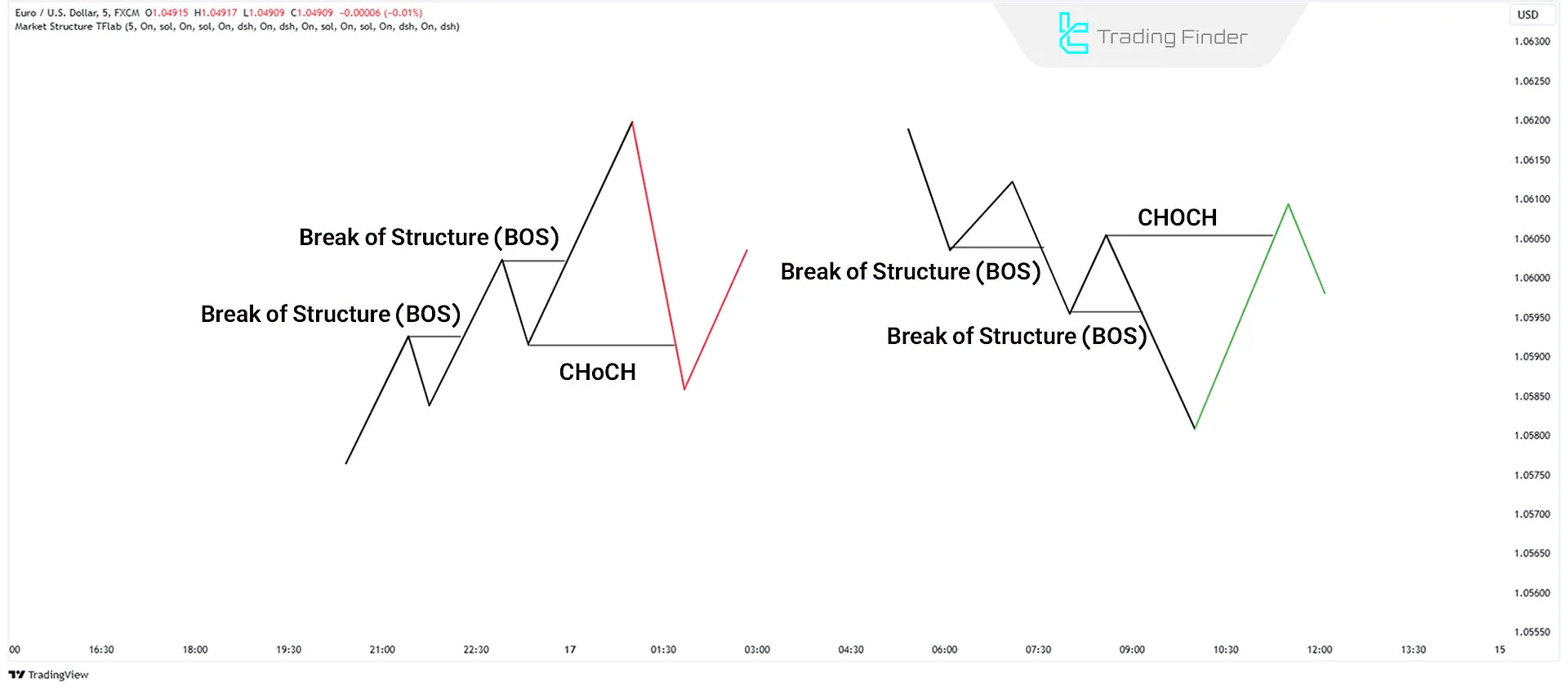
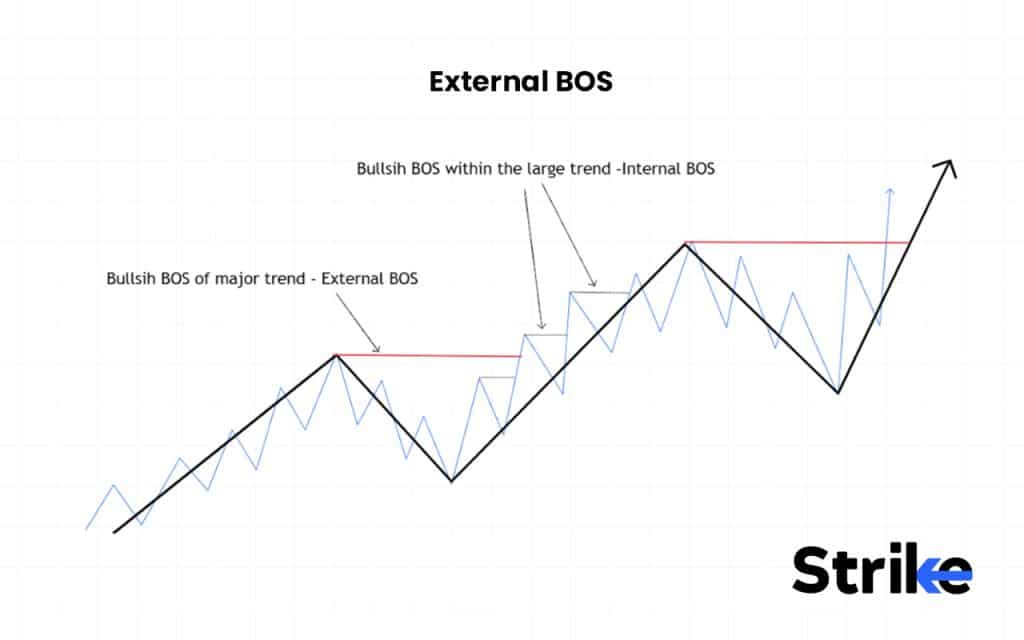
It is easy to confuse NEAR BOS with the "Break of Structure" patterns used in technical analysis. That trading term describes price action on a chart. NEAR BOS is something entirely different. It is a software infrastructure layer, not a trading indicator or a speculative price target.
NEAR Protocol defines the BOS as a "common layer for browsing and discovering open web experiences." It functions as a unified frontend framework that allows developers to build and deploy decentralized applications (dApps) that can interact across multiple blockchains. Think of it as the user interface for the open web, designed to make crypto-native apps as easy to use as standard websites.
This distinction matters because it shifts the focus from short-term market moves to long-term utility. The BOS solves the fragmentation problem in crypto by providing a shared infrastructure where users can discover and interact with apps regardless of which underlying chain they run on. It is an evolution of NEAR's approach to accessibility, aiming to remove the technical friction that usually stops mainstream users from adopting blockchain technology.
The goal is to create a composable ecosystem. Instead of isolating apps within single chains, the BOS allows them to share data and functionality. This makes the underlying protocol more robust and useful, focusing on infrastructure strength rather than temporary market sentiment.
Market structure and price context
To analyze the NEAR BOS infrastructure effectively, we first need to ground ourselves in the current market reality. The term "Break of Structure" (BoS) often triggers thoughts of technical chart patterns, but in this context, we are looking at how NEAR Protocol's underlying architecture supports and responds to broader market cycles. Unlike traditional trading strategies where BoS signals trend continuation through price action, NEAR's modular design aims to maintain network stability and throughput regardless of volatility.
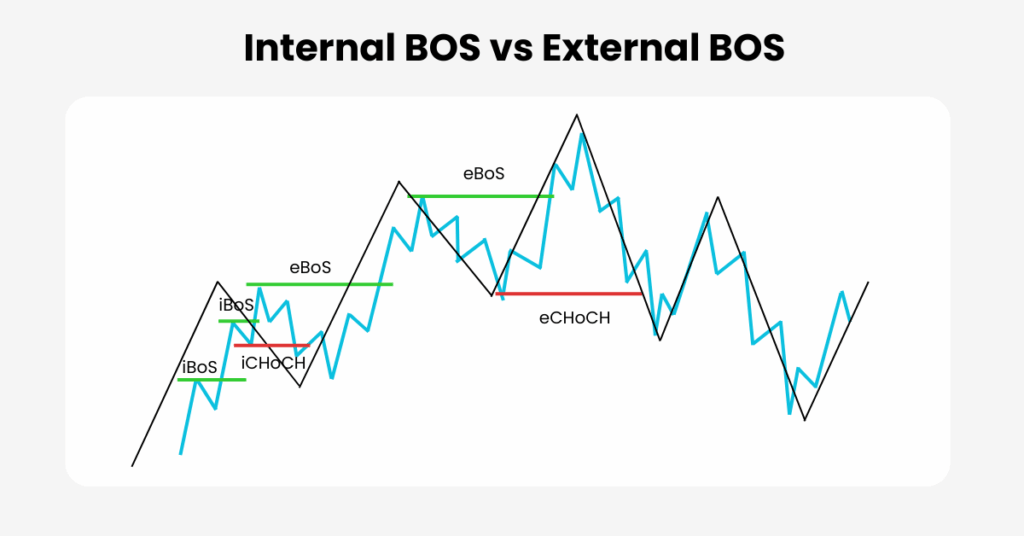
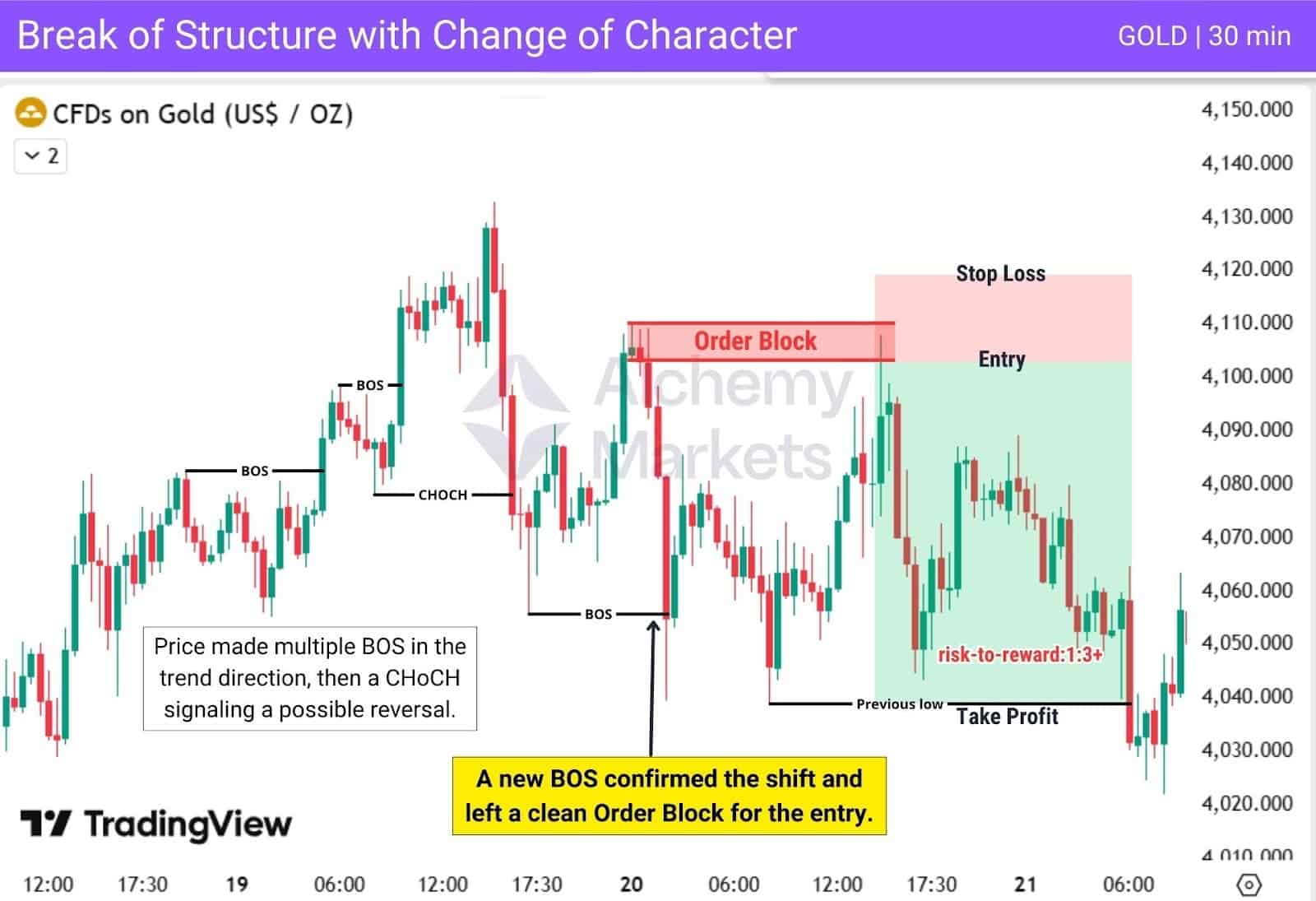
Understanding the distinction between trading BoS and infrastructure resilience is critical. A trading BoS typically involves price closing above a swing high in an uptrend or below a swing low in a downtrend, signaling momentum. In contrast, NEAR's "BOS" refers to the Byzantine Fault Tolerance consensus and sharding mechanisms that ensure the blockchain continues to operate securely even when parts of the network are under stress or experiencing high transaction loads. This infrastructure utility is what separates NEAR from chains that struggle during peak market activity.
The current market structure for NEAR reflects a maturation phase. While price action may fluctuate, the network's fundamental metrics—such as transaction finality and developer activity—provide a more reliable indicator of long-term health. By focusing on these structural strengths rather than short-term speculative signals, investors and builders can better assess the protocol's capacity to scale. This foundational stability is what allows NEAR to support the emerging decentralized applications and AI integrations that define its 2026 roadmap.
Core infrastructure components
NEAR’s Blockchain Operating System (BOS) is not a trading pattern; it is the underlying infrastructure that makes decentralized applications feel like native software. While other chains require developers to stitch together separate tools for wallets, indexing, and hosting, NEAR provides a unified stack. This architecture allows developers to build and deploy dApps with the same ease as traditional web applications, while users interact with them without ever seeing the blockchain beneath.
The system rests on three main pillars: Gateways, Components, and Blockchains. Together, they form a cohesive environment where code, data, and user identity work in concert.

Gateways act as the bridge between users and the blockchain. They handle complex tasks like transaction signing, data indexing, and account management behind the scenes. For the user, this means logging in with a simple email or social account rather than managing complex private keys. For developers, gateways provide a reliable, high-speed connection to the network, abstracting away the technical friction of raw node interaction.
Components are the building blocks of the user interface. Think of them as standard web widgets—buttons, charts, or login forms—but specifically designed for Web3. Developers can drag and drop these pre-built elements into their projects, instantly adding functionality like token transfers or profile displays. This modular approach drastically reduces development time and ensures a consistent, polished experience across different applications.
At the base is the NEAR Protocol itself, a high-performance Layer-1 blockchain. It provides the security and finality for all transactions. Using sharding technology, NEAR scales horizontally to handle thousands of transactions per second while keeping costs near zero. This performance is what allows the BOS to function smoothly, ensuring that the "operating system" layer doesn't become a bottleneck for the applications running on top.
To understand the impact of this infrastructure, it helps to compare it with traditional development workflows. The table below highlights how the BOS simplifies the path from idea to deployment.
| Feature | Traditional Web3 | NEAR BOS |
|---|---|---|
| User Onboarding | Manage private keys, seed phrases, and gas tokens | Account abstraction, email/social login, sponsored transactions |
| Frontend Development | Custom integration with wallets and RPC nodes | Reusable UI components, drag-and-drop builders |
| Data Indexing | Build and maintain custom subgraphs or databases | Built-in indexing and query capabilities |
This infrastructure shift is critical for the 2026 strategy. By removing the technical barriers to entry, NEAR allows builders to focus on utility rather than engineering overhead. For investors, this means the ecosystem is more likely to attract genuine user adoption, as the user experience closely mirrors the convenience of centralized apps.
Builder tools and ecosystem
NEAR BOS is not a trading indicator. It is the NEAR Blockchain Operating System, a decentralized content delivery network and developer framework. While the term "Break of Structure" dominates crypto trading forums, NEAR’s BOS provides the actual infrastructure for building, deploying, and discovering Open Web applications. This distinction is critical: one is a technical analysis pattern, the other is the engine running the apps.
The BOS ecosystem gives developers a unified layer to publish frontends directly on-chain. Instead of hosting static files on AWS or Vercel, builders use the BOS to store code and assets in a way that is censorship-resistant and globally accessible. This shifts the focus from speculative chart patterns to tangible utility, allowing developers to leverage NEAR’s speed and low costs for real-world applications.
To get started, developers rely on a specific set of tools designed for this architecture. The ecosystem is built around simplicity and direct interaction with the blockchain.
These tools form the backbone of the Open Web experience on NEAR. By using them, builders ensure their applications are discoverable within the BOS layer, creating a seamless bridge between the code and the user. This infrastructure is what separates the NEAR BOS from the abstract concepts found in trading guides.
Why NEAR BOS Matters for 2026
The NEAR Blockchain Operating System (BOS) isn't just another protocol upgrade; it's a structural shift designed to solve Web3's fragmentation problem. While trading communities often confuse "BOS" with Break of Structure chart patterns, NEAR's BOS is a foundational infrastructure layer. It standardizes how applications are built and displayed, turning the chaotic landscape of decentralized apps into a cohesive, user-friendly experience.
Unified Frontend Architecture
For builders, the biggest hurdle in 2026 isn't consensus speed—it's frontend complexity. BOS allows developers to compose decentralized frontends directly on-chain. Instead of maintaining separate servers or relying on centralized gateways, developers can build modular widgets that interact seamlessly. This reduces infrastructure costs and ensures that the user interface remains as decentralized as the underlying smart contracts.
Accelerating Mass Adoption
Investors are looking for utility that drives real usage, not just speculative volume. By simplifying the developer experience, NEAR lowers the barrier to entry for new applications. A standardized BOS means users can navigate different dApps with a consistent interface, reducing friction and confusion. As Web3 moves from niche experimentation to mainstream utility, this seamless integration becomes a critical competitive advantage.
Key Differentiator: BOS reduces frontend fragmentation in Web3.
The Competitive Edge
NEAR’s strategy positions the network to capture the next wave of developer migration. While other chains focus solely on transaction throughput, NEAR is optimizing for the entire stack, from consensus to the user interface. This holistic approach creates a sticky ecosystem where developers stay because the tools are easier to use, and users stay because the experience is smoother.
Common questions about NEAR BOS
The term "BOS" often causes confusion because it appears in trading, business, and blockchain contexts. Here is how NEAR BOS differs from those other uses.
For a detailed technical breakdown of the BOS announcement and its architecture, refer to the official NEAR Protocol blog.
Helpful gear
Use these product recommendations as a starting point, then choose the size, material, and price point that fit how you actually use the gear.


![The Crypto Millionaire Bible: [5 in 1] How to Easily Make Life-Changing Money in The Next Big 2025-2026 Bull Run with Smart Investing and Trading Any Cryptocurrency (Altcoins, Meme, NFT, Airdrops)](https://m.media-amazon.com/images/I/61K1jz+cWtL._AC_UL960_QL65_.jpg)
As an Amazon Associate, we may earn from qualifying purchases.
No comments yet. Be the first to share your thoughts!