What is the NEAR BOS strategy
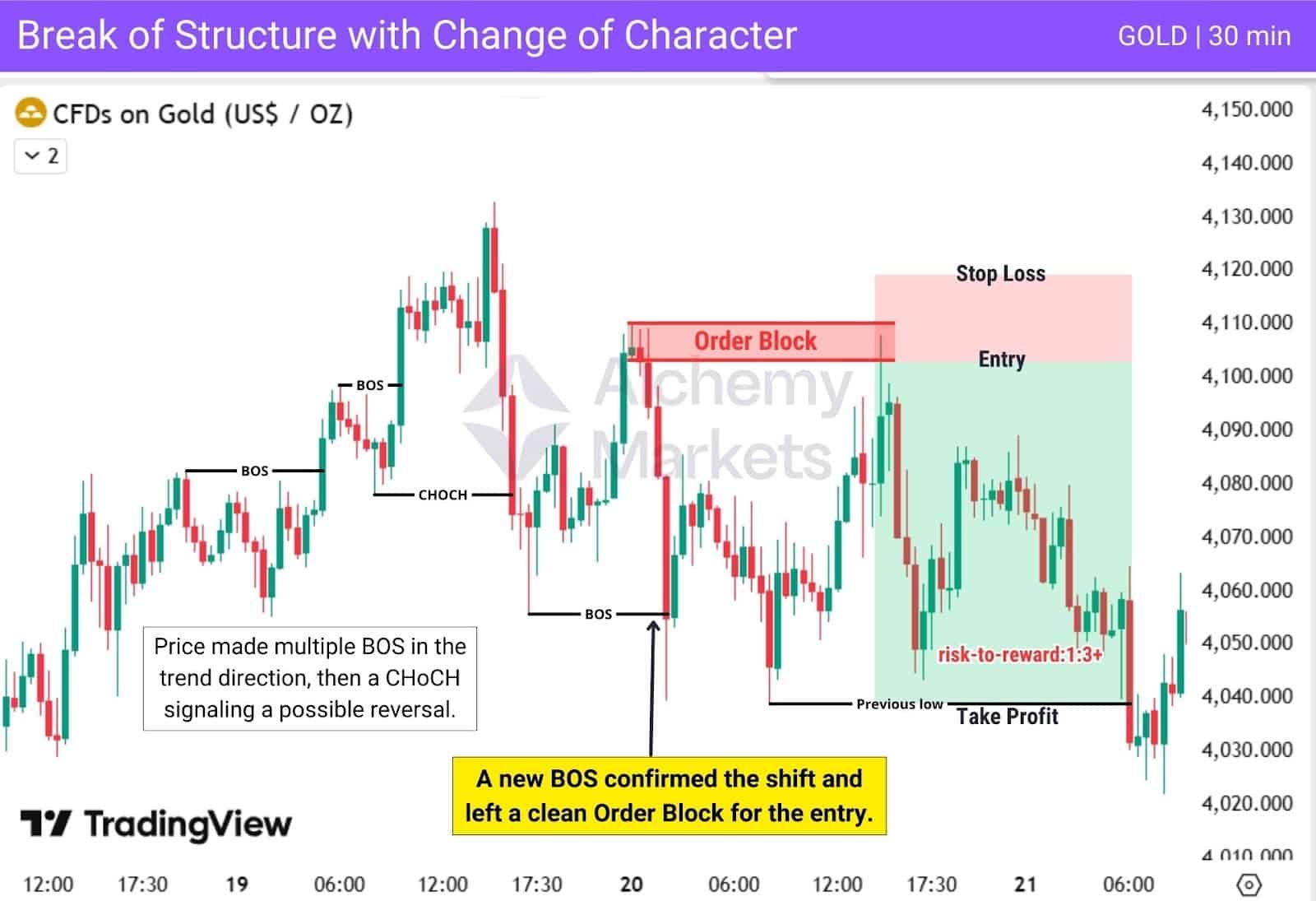
The term "BOS" often triggers associations with technical trading patterns like "Break of Structure," but in the context of NEAR Protocol, it refers to something far more foundational: the Blockchain Operating System. This is not a trading tactic; it is a strategic infrastructure layer designed to simplify how developers build and users interact with decentralized applications.
Think of the BOS as the Linux of Web3. Just as Linux provided a common, open-source foundation that allowed countless different software experiences to run on top of it, NEAR’s BOS aims to provide a unified layer for browsing and discovering open web experiences across any blockchain. It moves beyond the siloed nature of individual chains, creating a shared environment where interoperability is built-in rather than bolted on.
The strategy behind NEAR BOS is to lower the barrier to entry for both developers and end-users. By abstracting away the complexity of cross-chain transactions and fragmented user interfaces, it allows developers to focus on building features rather than solving connectivity issues. For users, it means accessing decentralized services without needing to manage multiple wallets or understand the intricacies of different blockchain networks.
According to NEAR’s official announcement, the BOS is an industry-first category that serves as a common layer for discovery, compatible with any blockchain. This distinction is critical. It shifts the focus from speculative price action to tangible utility and adoption. The goal is to make the underlying blockchain technology invisible, letting the applications shine. This approach is supported by analyses from firms like Messari, which highlight the potential for BOS to revolutionize Web3 by streamlining decentralized development and user adoption.
Core pillars of the BOS infrastructure
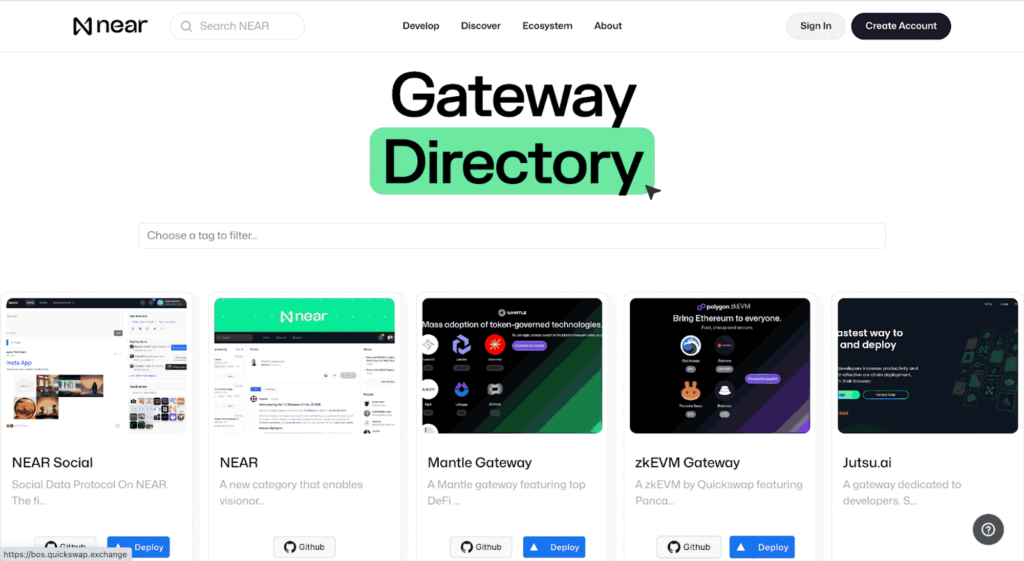
The NEAR BOS isn't just a dashboard; it's a modular stack that turns the NEAR blockchain into a functional operating system. To understand how it works, you need to look at the three layers that hold it together: Gateways, Components, and the Blockchains themselves. Think of the BOS like a modern computer—Gateways are the hardware that connects everything, Components are the software applications you run, and Blockchains are the power supply keeping the lights on.
Gateways: The Connection Layer
Gateways act as the bridge between the user's browser and the NEAR blockchain. They handle the heavy lifting of fetching data, managing sessions, and routing requests. Instead of every developer building their own connection layer, Gateways provide a standardized interface. This means a user can interact with any BOS app without needing to configure complex wallet connections or node endpoints manually. It abstracts away the blockchain complexity, making the experience feel like a traditional web app.
Components: The Building Blocks
Components are the reusable, decentralized frontends that make up the BOS. Unlike traditional websites where code lives on a central server, BOS components are stored on the blockchain. This makes them censorship-resistant and immutable. Developers can build these components once and use them across different apps. Whether it's a token swap widget, a portfolio tracker, or a social feed, these components can be composed together to create new experiences. This modularity is what allows the BOS to scale without a central authority controlling the code.
Blockchains: The Foundation
Underneath it all, the NEAR blockchain provides the security and data availability. Every component and gateway interaction is anchored to the NEAR ledger. This ensures that the state of the BOS is transparent and verifiable. The blockchain doesn't just store transactions; it hosts the actual code of the components. This is a fundamental shift from Web2, where the code and the data are siloed on corporate servers. In the BOS, the code is the data.
BOS vs. Traditional Web Hosting
The difference between the BOS and traditional web infrastructure is stark. In Web2, you rent server space. In the BOS, you deploy to a decentralized network.
| Feature | Traditional Web2 | NEAR BOS |
|---|---|---|
| Hosting | Centralized Servers | Decentralized Blockchain |
| Code Storage | Corporate Data Centers | On-Chain Components |
| Censorship Resistance | Low (Server Owner Decides) | High (Immutable Code) |
| Modularity | Limited (Proprietary APIs) | High (Reusable Components) |
Practical tools for NEAR BOS development
Building on NEAR BOS means moving beyond simple smart contracts to creating fully decentralized frontends. Unlike traditional web2 stacks, BOS components live on-chain, offering censorship resistance and composability. Developers use a specific set of tools to compile, deploy, and manage these decentralized web components.
The foundation of this stack is the NEAR Protocol itself, a Layer-1 blockchain optimized for developer experience. To interact with it, you need the NEAR CLI (Command Line Interface) and the NEAR Web SDK. These tools allow you to compile Rust or JavaScript/TypeScript contracts and deploy them to the network. The CLI handles the heavy lifting of account management and transaction signing, ensuring your BOS components are correctly anchored to the blockchain.
For frontend development, the NEAR BOS SDK provides the necessary libraries to render decentralized components. It integrates with popular frameworks like React and Next.js, allowing you to build standard web interfaces that pull data and logic directly from on-chain contracts. This separation of concerns—keeping logic on-chain and presentation in familiar frameworks—makes the development process intuitive for web developers while maintaining the security benefits of blockchain infrastructure.
To manage the complexity of multiple components and their interactions, developers rely on the NEAR BOS Explorer and various indexing services. These tools help visualize the relationships between different BOS modules, making it easier to debug and optimize performance. Additionally, integrating with services like NEAR Cloud or using dedicated hosting solutions can help manage the off-chain assets that complement your on-chain components, ensuring a seamless user experience.
The ecosystem is supported by a growing library of open-source templates and starter kits. These resources accelerate development by providing pre-built components for common use cases, such as token transfers, NFT marketplaces, and DAO governance. By leveraging these existing building blocks, developers can focus on innovation rather than reinventing the wheel, speeding up the time from idea to deployed BOS application.


As an Amazon Associate, we may earn from qualifying purchases.
Why the blockchain operating system is gaining traction
The NEAR BOS strategy is shifting from a technical concept to a practical infrastructure layer. By treating the blockchain as an operating system rather than just a ledger, NEAR simplifies the complex mechanics of Web3 development. This approach reduces friction for builders and lowers the barrier to entry for mainstream users, addressing two of the industry's most persistent bottlenecks.
Interoperability sits at the core of this advantage. NEAR’s "Hub and Spokes" model positions its protocol as the central hub in a multi-blockchain universe. Instead of forcing applications to navigate fragmented liquidity and incompatible standards across isolated chains, the BOS strategy allows for seamless communication between different blockchain networks. This centralization of connectivity makes NEAR a natural choice for projects that need to scale across a broader ecosystem without sacrificing performance.
NEAR AI joined the NVIDIA Inception program to accelerate enterprise-grade, verifiable AI with confidential GPU compute.
The recent partnership with NVIDIA further validates this infrastructure-first approach. By joining the NVIDIA Inception program, NEAR AI is leveraging confidential GPU compute to handle enterprise-grade artificial intelligence workloads. This collaboration signals a move beyond speculative trading toward tangible, high-performance utility, attracting developers who need robust backend support for AI-driven applications.
User experience is the final pillar driving adoption. The BOS strategy abstracts away the technical complexities of wallet management and gas fees, allowing applications to function as smoothly as traditional web services. For enterprise adopters, this means they can deploy decentralized applications without forcing their users to learn blockchain-specific behaviors. As NEAR continues to refine this user-centric architecture, it positions itself as the foundational layer for the next generation of scalable, user-friendly Web3 applications.
Common mistakes in BOS implementation
Adopting the NEAR Blockchain Operating System (BOS) requires more than just writing smart contracts; it demands a shift in how you think about infrastructure. Many developers treat BOS components like traditional web pages, ignoring the unique constraints of decentralized hosting. This section highlights the most frequent pitfalls that derail BOS projects before they launch.
Ignoring Gateway Optimization
NEAR BOS relies on decentralized gateways to serve your frontend components. If you don't optimize your assets for these gateways, your app will load slowly or fail entirely. Unlike centralized CDNs, gateway performance varies. You must ensure your images are compressed and your code is minified to reduce payload size. Failure to do so results in a poor user experience that no amount of backend logic can fix.
Misconfiguring Component Dependencies
BOS components are modular and interdependent. A common error is assuming that all dependencies are available globally. If your component relies on a library that isn't properly declared in its manifest, it will break in production. Always audit your dependency tree. Use the NEAR standard for component manifests to declare exactly what your frontend needs, ensuring reproducibility across different gateway nodes.
Treating BOS as a Static Site
Some developers deploy static HTML files to BOS, missing the point of the platform. BOS is designed for dynamic, stateful components that interact with the blockchain. If you aren't leveraging NEAR's account model or smart contract integrations, you're better off using a traditional static host. BOS shines when you build interactive, censorship-resistant interfaces that truly leverage the underlying protocol.
Frequently asked questions about NEAR BOS
It is common to encounter confusion regarding the acronym "BOS" in the crypto space. While many traders search for "Break of Structure" strategies, the NEAR BOS refers specifically to the NEAR Protocol Blockchain Operating System. This infrastructure layer allows developers to build decentralized applications that interact with the NEAR blockchain as if it were a traditional operating system.
To clarify the distinction, the NEAR BOS is not a trading strategy. It is a development framework designed to simplify smart contract creation and deployment. If you are looking for technical analysis concepts like trend continuation or market structure breaks, those are unrelated to the NEAR ecosystem's core infrastructure.
For more technical details on the NEAR BOS architecture, refer to the official NEAR documentation.
No comments yet. Be the first to share your thoughts!