What NEAR BOS actually is
The NEAR Blockchain Operating System (BOS) is not a separate blockchain. It is a composable frontend and discovery layer built on top of NEAR Protocol, designed to simplify decentralized development and user adoption. Think of it as the user interface for the open web, where people can discover Open Web-related experiences without giving up on privacy or control.
While NEAR Protocol provides the underlying infrastructure—sharding, speed, and finality—the BOS handles the presentation and interaction. It allows developers to build decentralized applications (dApps) that feel as intuitive as traditional web services. This distinction is critical: NEAR is the engine, and BOS is the dashboard.
By creating a unified layer for discovery, BOS addresses one of the biggest hurdles in Web3: usability. Users can navigate through various decentralized experiences seamlessly, without needing to understand the complex backend mechanics. This approach aligns with the goal of making blockchain technology accessible to everyone, not just developers.
This infrastructure strategy positions NEAR as a leader in the race to make Web3 mainstream. By focusing on the frontend experience, BOS reduces friction and encourages broader adoption, making it easier for everyday users to engage with decentralized technologies.
NEAR BOS Crypto Infrastructure Breakdown
The Blockchain Operating System (BOS) is not just a wallet or a browser; it is the infrastructure layer that turns NEAR Protocol into a composable front-end network. Think of BOS as the "app store" layer for the open web, where developers build and users discover applications without needing to understand the underlying blockchain complexity.
The Three Pillars of BOS
To understand how BOS enables composable frontends, we need to look at its three core technical components:
Gateways: These are the entry points that render decentralized content. Gateways serve the front-end code (HTML, CSS, JS) stored on NEAR, ensuring that users can access applications seamlessly regardless of their wallet or device. They handle the heavy lifting of fetching and rendering data from the blockchain.
Components: This is the heart of composability. NEAR BOS introduces a standardized set of UI components that developers can reuse across different applications. Instead of building every button, card, or dashboard element from scratch, developers can import and customize these components. This standardization allows for a consistent user experience across the entire NEAR ecosystem and accelerates development speed.
Blockchains: At the base, NEAR Protocol provides the security and scalability. BOS leverages NEAR’s sharding technology to ensure that front-end interactions are fast and cheap. The blockchain acts as the state machine, storing the logic and data that the components interact with, while the gateways and components handle the presentation layer.
Why This Matters for Composable Frontends
This architecture allows for true composability. Because the components are standardized and the gateways are universal, developers can mix and match front-end elements from different projects. A dashboard built by one team can easily integrate with a wallet component built by another, creating a more modular and efficient development environment.
This is a significant shift from traditional web development, where each site is often an isolated silo. With BOS, the front-end itself becomes a composable asset, enabling a more interconnected and user-friendly open web experience.
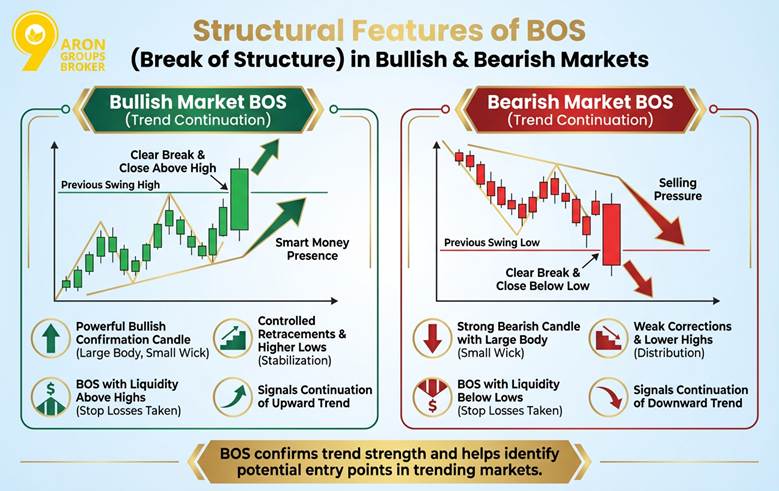
Market tools for NEAR BOS analysis
Tracking the growth of the NEAR Blockchain Operating System requires looking beyond simple price action. You need to measure developer momentum and on-chain activity to see if the infrastructure is actually gaining traction. The BOS initiative aims to simplify web3 development, but verifying that claim means watching specific metrics that indicate real usage rather than speculative noise.
To understand the current state of the ecosystem, we can compare the primary tools available for this analysis. These tools range from direct on-chain data to broader market sentiment indicators.
| Tool | Data Provided | Best For | Cost |
|---|---|---|---|
| NEAR Explorer | Transaction volume, active accounts, block height | Verifying real-time network health | Free |
| Messari | Protocol metrics, developer activity, market cap | Deep fundamental analysis | Free/Premium |
| Dune Analytics | Custom dashboards, BOS-specific app usage | Analyzing specific BOS applications | Free/Paid |
| CoinGecko | Price, market cap, trading volume | Quick market sentiment check | Free |
While these tools provide distinct advantages, they all serve the same goal: connecting technical progress with market performance. You can see how the token trades relative to the underlying network growth in the chart below.
Strategic advantages for Web3 builders
The NEAR BOS (Blockchain Operating System) is designed to remove the friction that typically slows down dApp development. Instead of building isolated front-ends that struggle to connect with on-chain logic, the BOS provides a unified environment where code and user interfaces live together. This approach mirrors how modern web frameworks operate, allowing developers to treat smart contracts and UI components as part of a single, cohesive system.
Composability is the core engine here. Because the BOS standardizes how components are published and consumed, builders can pull existing modules into their projects without reinventing the wheel. A developer doesn't need to write custom wallet integration code or build a new token swap interface from scratch; they can import verified components directly. This reduces development time significantly and minimizes the risk of security vulnerabilities that often come with custom, untested code.
For users, this translates to a smoother experience. The BOS enables apps to feel like native web applications rather than clunky blockchain interfaces. Transactions are handled behind the scenes, and the interface adapts fluidly to different devices. By lowering the barrier to entry for both builders and users, the BOS is positioning NEAR as a practical platform for mass adoption, focusing on utility and ease of use over speculative hype.
NEAR BOS Crypto Market Outlook
The market is currently watching NEAR Protocol with a focus on how its Blockchain Operating System (BOS) translates into real adoption. As Messari notes, NEAR is positioning itself as the "BOS" for Web3, aiming to simplify decentralized development and lower the barrier for user adoption [src-serp-1]. This narrative shift from a pure Layer-1 blockchain to an infrastructure layer is central to its current valuation.
Investors are looking for concrete signals that the BOS architecture is attracting developers and reducing friction in the ecosystem. The price action reflects this wait-and-see approach, with traders monitoring key support levels as the network scales its sharding capabilities.
Frequently asked questions about NEAR BOS
What is the Blockchain Operating System (BOS)? BOS is NEAR Protocol’s modular framework that allows developers to compose custom blockchains from reusable components. Rather than building a chain from scratch, you can combine pre-built modules for consensus, storage, and security to create a specialized environment. This approach reduces development time and ensures that each chain inherits NEAR’s high throughput and low fees.
What is the market cap of BitcoinOS? Market capitalization fluctuates with real-time trading volume and token price. For the most accurate, live figures, refer to official aggregators like CoinGecko or the NEAR Dashboard. Static numbers become outdated quickly, so checking current data is essential for understanding the asset’s present valuation.
Is BOS a good investment? Investment potential depends on your risk tolerance and belief in NEAR’s infrastructure growth. BOS represents a strategic layer within the NEAR ecosystem, enabling scalable dApps. While it offers utility for developers, it carries the inherent volatility of crypto assets. Always consult official NEAR documentation and financial advisors before committing capital.
Helpful gear
Use these product recommendations as a starting point, then choose the size, material, and price point that fit how you actually use the gear.


As an Amazon Associate, we may earn from qualifying purchases.
No comments yet. Be the first to share your thoughts!