NEAR BOS crypto analysis overview
NEAR Protocol is positioning itself as the Blockchain Operating System (BOS), a foundational layer designed to power the emerging agent economy. Rather than functioning as a standalone application, the network aims to unify liquidity and computation across more than 35 connected chains. This infrastructure keeps execution and inference confidential, allowing decentralized agents to operate securely without exposing sensitive data.
The concept of NEAR as a BOS simplifies decentralized development by abstracting the complexity of cross-chain interactions. For developers, this means building on one layer rather than managing fragmented ecosystems. For users, it translates to seamless interactions regardless of which chain an asset originates from. This structural shift is central to the current NEAR BOS crypto analysis, highlighting why the network is gaining traction beyond simple token speculation.
Market momentum has recently accelerated, with the NEAR Protocol price spiking 25% driven by a combination of short squeezes, positive AI earnings reports from NVIDIA, and the rollout of new privacy features. Network activity has reached record levels, suggesting that the underlying infrastructure is being utilized rather than just held. As we move into the technical and market strategy breakdown, it is clear that NEAR is betting on its role as the connective tissue for autonomous digital agents.
How BOS unifies liquidity and agents
NEAR Protocol is positioning itself as the open infrastructure for the agent economy, a shift that requires more than just fast transactions. The Blockchain Operating System (BOS) is the mechanism that makes this possible by unifying liquidity across more than 35 chains and creating a dedicated layer for AI agents to discover and execute actions without friction. This architecture distinguishes NEAR from standard L1s by treating liquidity and computational inference as a single, cohesive resource rather than separate silos.
The BOS acts as a discovery and execution layer for the Open Web. Instead of forcing agents to navigate fragmented liquidity pools or rely on centralized APIs, BOS allows them to interact directly with smart contracts and data sources across the NEAR ecosystem and beyond. This unification reduces the overhead typically associated with cross-chain interactions, enabling agents to operate with greater autonomy and speed. By keeping execution and inference confidential, the system ensures that sensitive agent logic and user data remain protected even as they interact with public blockchain states.
This technical foundation supports a market environment where agent-driven activity can drive genuine utility. Recent network activity has reached record levels, fueled by a combination of technical upgrades and broader market momentum, including a 25% price spike driven by short squeezes and NVIDIA’s AI earnings tailwind. The BOS is not merely a front-end interface; it is the underlying infrastructure that allows these agent-driven experiences to scale efficiently.
To visualize the current market sentiment alongside these infrastructure developments, the chart below shows the NEAR/USDT technical setup, highlighting the recent bullish momentum and volume trends.
Building on the open web layer
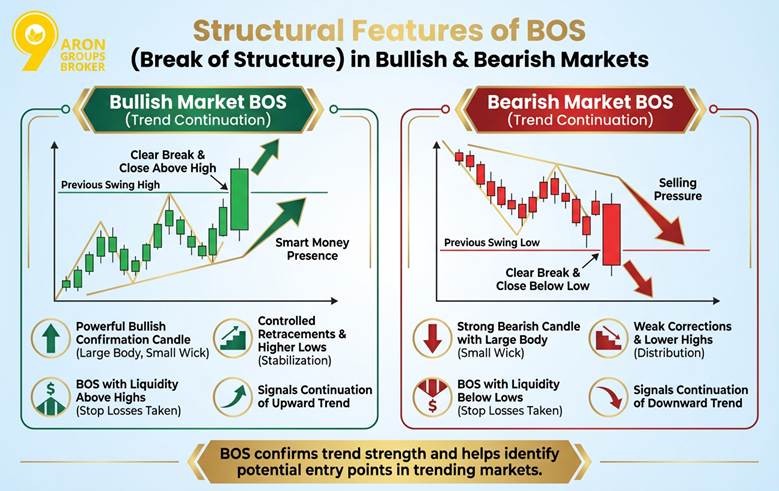
NEAR’s Blockchain Operating System (BOS) shifts frontend development from writing custom code to assembling pre-built components. This approach mirrors the Lego model: developers snap together verified UI elements to create multi-chain applications without reinventing the wheel for every project. The result is a lower barrier to entry, allowing teams to onboard users in seconds rather than months.
This composable architecture reduces the complexity of Web3 adoption. Instead of managing disparate wallets and interfaces, BOS standardizes interactions across chains. Developers can focus on unique logic and user experience, while the underlying components handle the heavy lifting of transaction signing and data fetching. This modular strategy accelerates deployment and ensures a consistent experience for end-users.
The contrast between traditional Web2 development and NEAR’s component-based approach is stark. Traditional methods often require building separate frontends for each blockchain or managing complex cross-chain bridges. BOS simplifies this by providing a unified layer where components interact seamlessly.
| Aspect | Traditional Web2 | NEAR BOS |
|---|---|---|
| Development | Custom code per chain | Reusable components |
| User Onboarding | Complex wallet setup | Fast, unified interface |
| Cross-Chain | Manual bridges | Integrated composable layer |
Market drivers and security model
NEAR’s recent price action reflects a convergence of macro tailwinds and network-specific catalysts. A significant portion of the recent momentum stems from NVIDIA’s AI earnings, which have sharpened investor focus on infrastructure that can actually handle agent-based workloads. This sentiment shift has pushed NEAR into the spotlight as a potential beneficiary of the broader AI narrative, distinct from pure speculation.
Network activity is currently at record levels, supporting the valuation thesis with on-chain data rather than just hype. The integration of NEAR’s privacy features has also attracted developers looking for confidential execution environments. This combination of high throughput and data privacy creates a unique value proposition in a crowded Layer-1 landscape.
Underpinning this market activity is a robust Proof-of-Stake (PoS) security model. NEAR’s consensus mechanism encourages validators to act honestly by making malicious behavior economically unviable. This design not only secures the network against attacks but also ensures transaction integrity, which is critical for maintaining trust in an agent-driven economy.
The security model is further strengthened by NEAR’s sharding technology, Nightshade, which allows the network to scale without compromising security. This technical foundation supports the high transaction volumes seen during peak market activity, ensuring that the network remains stable even under stress.
While the market drivers provide the upside potential, the security model provides the floor. Investors are increasingly prioritizing networks that can guarantee transaction finality and resist censorship. NEAR’s PoS implementation meets these criteria, making it a more reliable infrastructure play compared to less secure alternatives.
The interplay between these external catalysts and internal security features creates a complex but compelling investment thesis. As AI adoption accelerates, the demand for secure, scalable infrastructure will likely intensify, potentially benefiting NEAR’s market position.
NEAR BOS Investment Checklist
Before allocating capital to NEAR Protocol, treat your due diligence like a technical audit. The "Blockchain Operating System" narrative is compelling, but infrastructure health and market structure require verification, not just belief. Use this checklist to separate signal from noise.
Check NEAR's active accounts and transaction volume. High activity on 35+ unified chains confirms the BOS utility claim. If on-chain metrics stagnate while marketing hype grows, the infrastructure thesis weakens.
NEAR uses Proof-of-Stake to incentivize honest validation. Review recent validator behavior and any historical exploits. A secure network is the baseline requirement for any long-term hold in a high-stakes market.
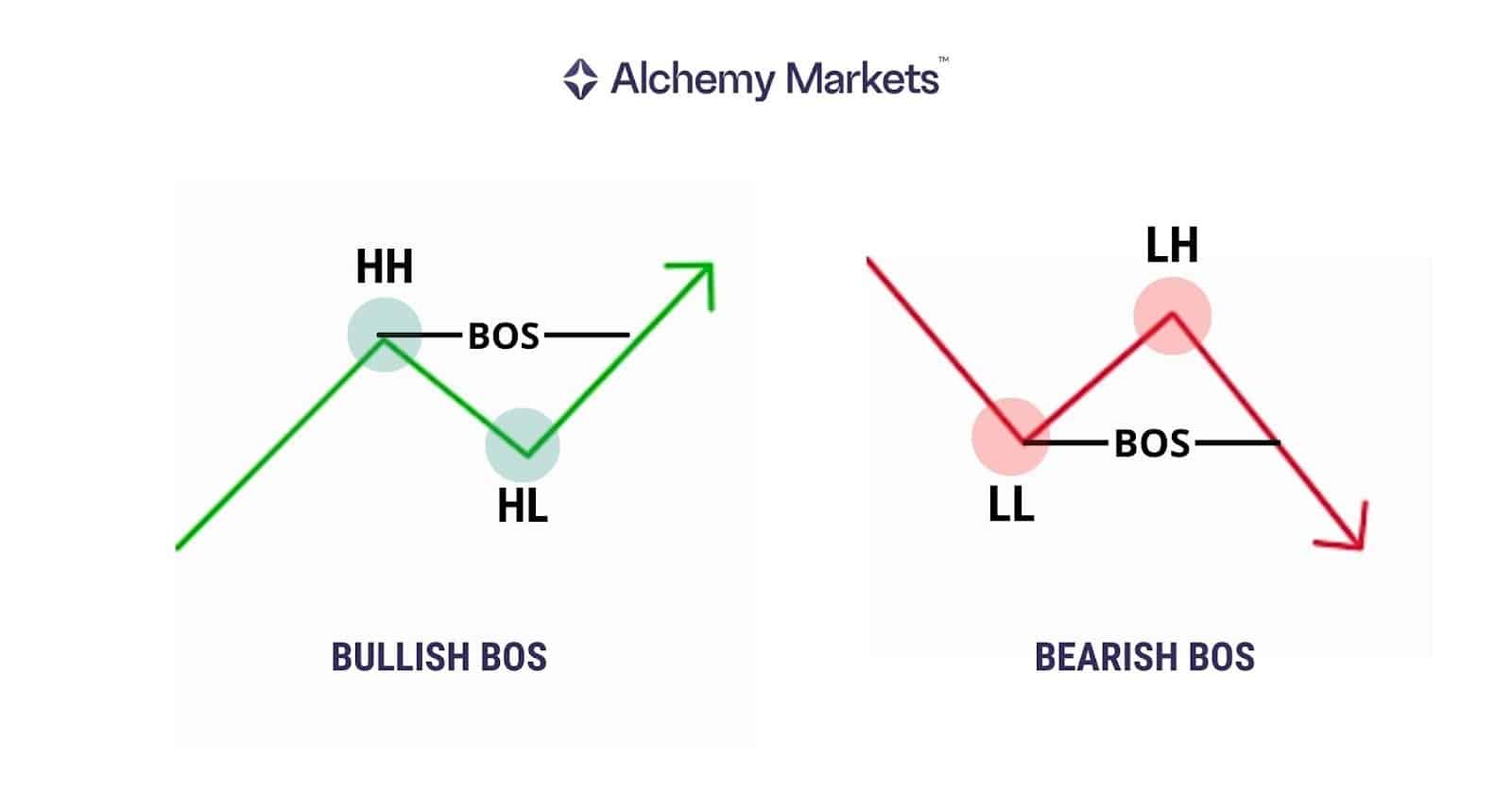
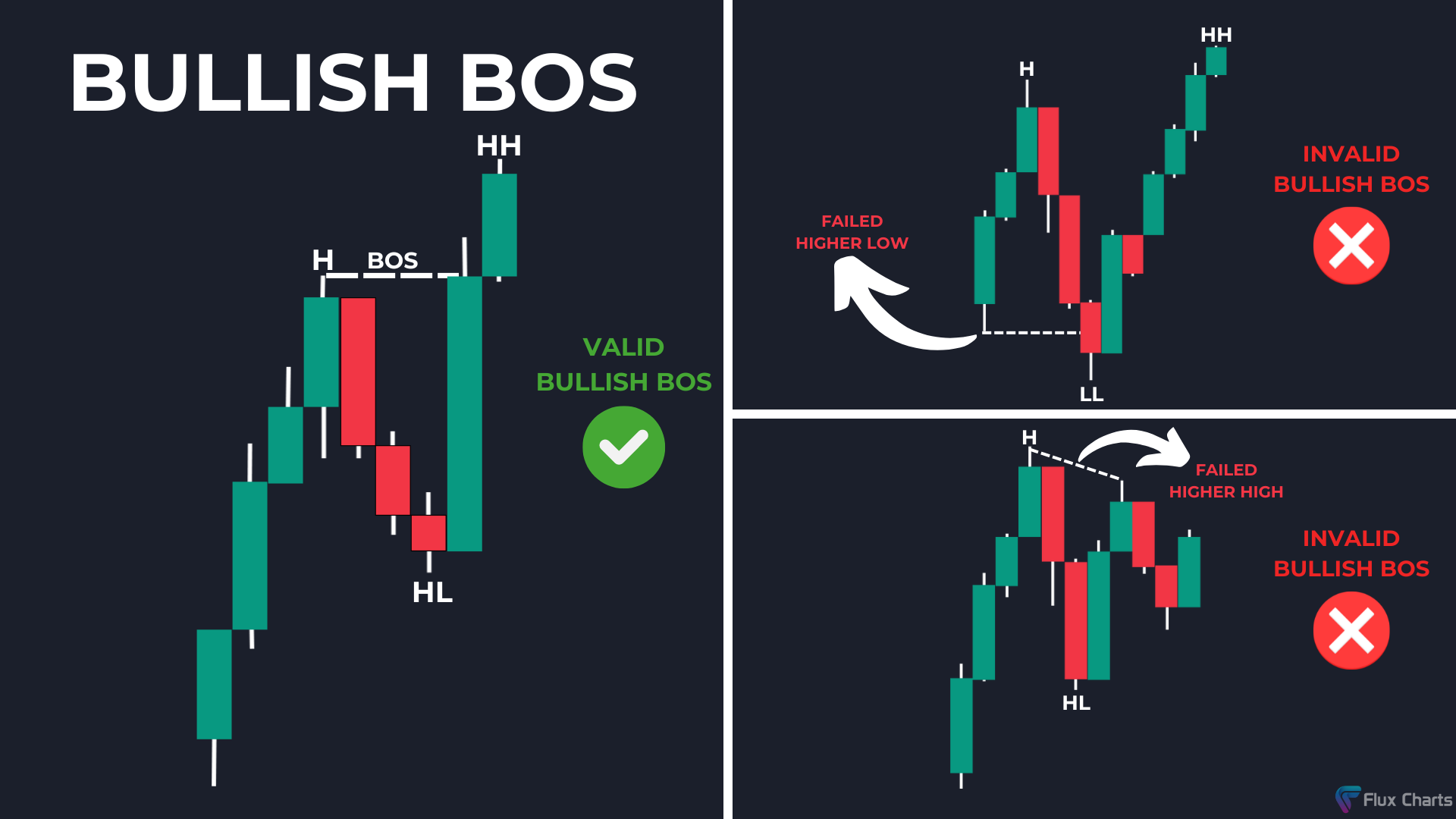
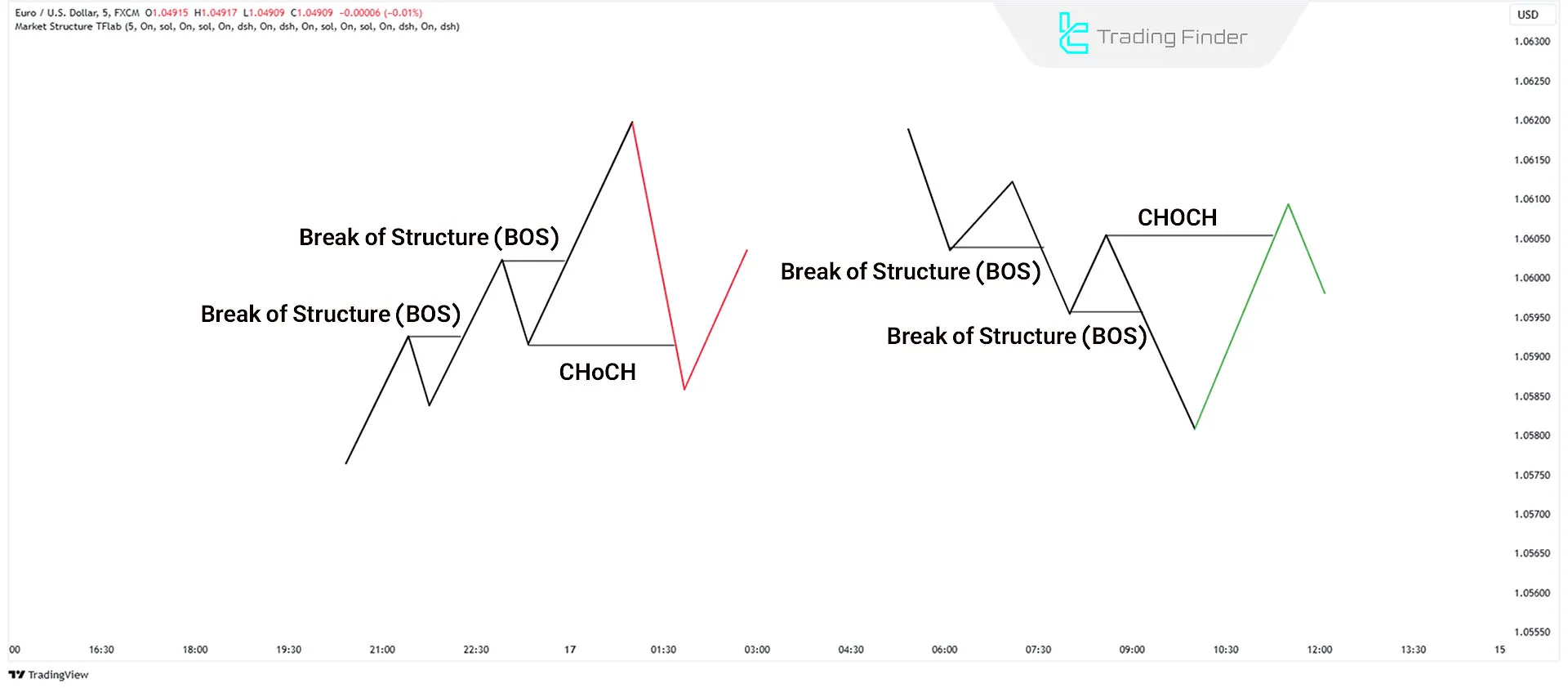
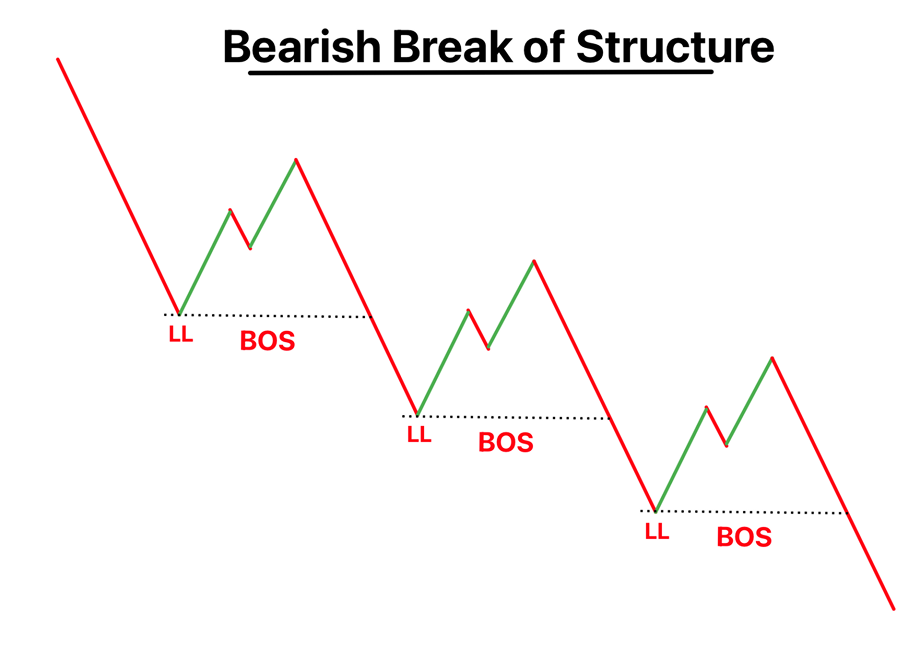
Identify if NEAR is forming a Break of Structure (BOS) on the charts. A clean break above key resistance with volume confirms bullish momentum. Without this technical confirmation, price action may be a short squeeze rather than a trend.
The primary value driver for NEAR is its role in the agent economy. Look for partnerships that actually deploy AI agents on the network, not just announced collaborations. Real utility drives sustainable demand for the token.
NEAR Protocol Security and Price Trends
NEAR Protocol uses Nightshade sharding to split transaction processing across parallel shards, allowing the network to scale without sacrificing decentralization. The Proof-of-Stake (PoS) consensus mechanism incentivizes validators to act honestly, as slashing conditions penalize malicious behavior. This architecture is designed to resist attacks and maintain transaction integrity even under high load.
Price volatility often stems from broader market sentiment rather than protocol instability. Recent pumps have been driven by short squeezes, NVIDIA’s AI earnings tailwind, and record network activity. The MACD indicator turning bullish suggests momentum, but traders should remain aware that crypto assets remain high-risk. Always verify contract addresses and use official sources before interacting with dApps.
No comments yet. Be the first to share your thoughts!