The NEAR BOS infrastructure advantage
The Blockchain Operating System (BOS) represents a distinct market layer within the NEAR ecosystem, designed to solve the fragmentation problem that has long plagued decentralized applications. Rather than treating each blockchain as an isolated silo, the BOS acts as a unified interface that allows users to browse, discover, and interact with open web experiences across any compatible chain. This approach shifts the focus from isolated token economics to a cohesive user experience, creating a strategic edge for both developers building on the platform and investors tracking its adoption.
At its core, NEAR Protocol serves as the underlying Layer-1 infrastructure that powers this operating system. Built as a fully sharded, quantum-adaptive network, NEAR has maintained 100% uptime on its mainnet for over five years, providing the stability required for a system designed to handle high-frequency user interactions. The BOS leverages this robust foundation to enable developers to create, deploy, and store secure, decentralized front-end applications that are not bound to a single blockchain's limitations. This compatibility layer simplifies the developer journey, allowing them to focus on building features rather than managing cross-chain friction.
For investors, the significance of the BOS lies in its potential to drive mainstream adoption by abstracting away the complexity of blockchain technology. By providing a common layer for discovery and interaction, NEAR is positioning itself not just as a blockchain, but as the operating system for the open web. This architectural choice differentiates NEAR from traditional Layer-1s that compete solely on throughput or cost, offering instead a holistic platform that prioritizes usability and interoperability. The result is a more resilient ecosystem where the value is derived from the network of applications and users connected through the BOS, rather than just the native token's speculative value.
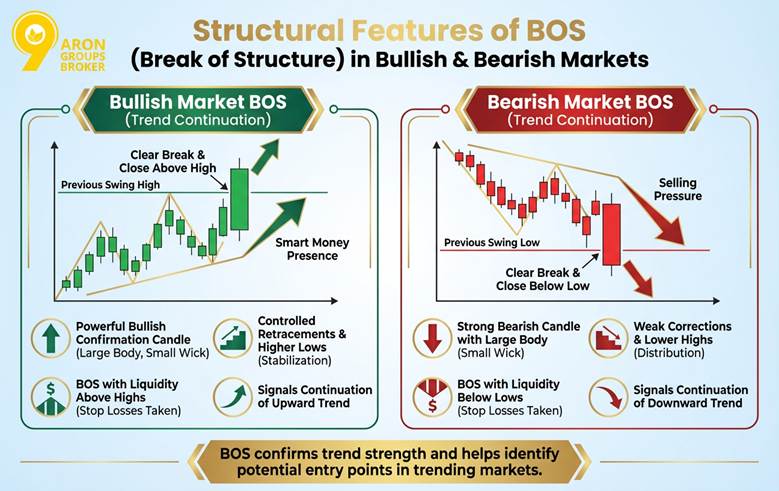
The technical underpinnings of the BOS are designed to support this vision of seamless integration. By standardizing how applications are discovered and interacted with, NEAR reduces the barriers to entry for new users who might otherwise be deterred by the need to manage multiple wallets or bridge assets across disparate networks. This simplification is critical for scaling the ecosystem, as it allows developers to reach a broader audience without requiring them to manage the often cumbersome landscape of cross-chain transactions. As the BOS continues to evolve, it is likely to become a key differentiator for NEAR in the competitive blockchain market, offering a more user-friendly alternative to traditional decentralized architectures.
Deploying composable frontends
NEAR’s Blockchain Operating System (BOS) shifts the paradigm of Web3 development by treating decentralized front-ends as composable, deployable assets. Rather than forcing developers to build isolated applications that live only within a single blockchain’s ecosystem, BOS allows them to create, deploy, and store secure, decentralized front-ends that interact seamlessly with various blockchain protocols and networks. This approach significantly reduces the friction that typically hinders user adoption, as the interface becomes independent of the underlying chain’s complexity.
The process begins with the creation of a frontend application that is fully decentralized. Developers utilize NEAR’s infrastructure to ensure that these front-ends are not just static websites but dynamic, interactive components capable of handling complex user interactions. Once built, these applications are deployed to the BOS, where they are stored in a manner that guarantees their availability and integrity. This storage mechanism is critical, as it ensures that the user experience remains consistent and reliable, regardless of the blockchain network being accessed.
Developers start by building the frontend application using standard web technologies, but with a focus on decentralization. The goal is to create an interface that can interact with smart contracts across multiple chains without requiring users to manage complex wallet connections or bridge assets manually. This step involves designing the user experience to abstract away the underlying blockchain complexity.
Once the frontend is ready, it is deployed directly to the BOS. This deployment process is streamlined, allowing developers to publish their applications quickly and efficiently. The BOS handles the distribution and storage of the frontend code, ensuring that it is accessible to users globally without the need for traditional hosting services.
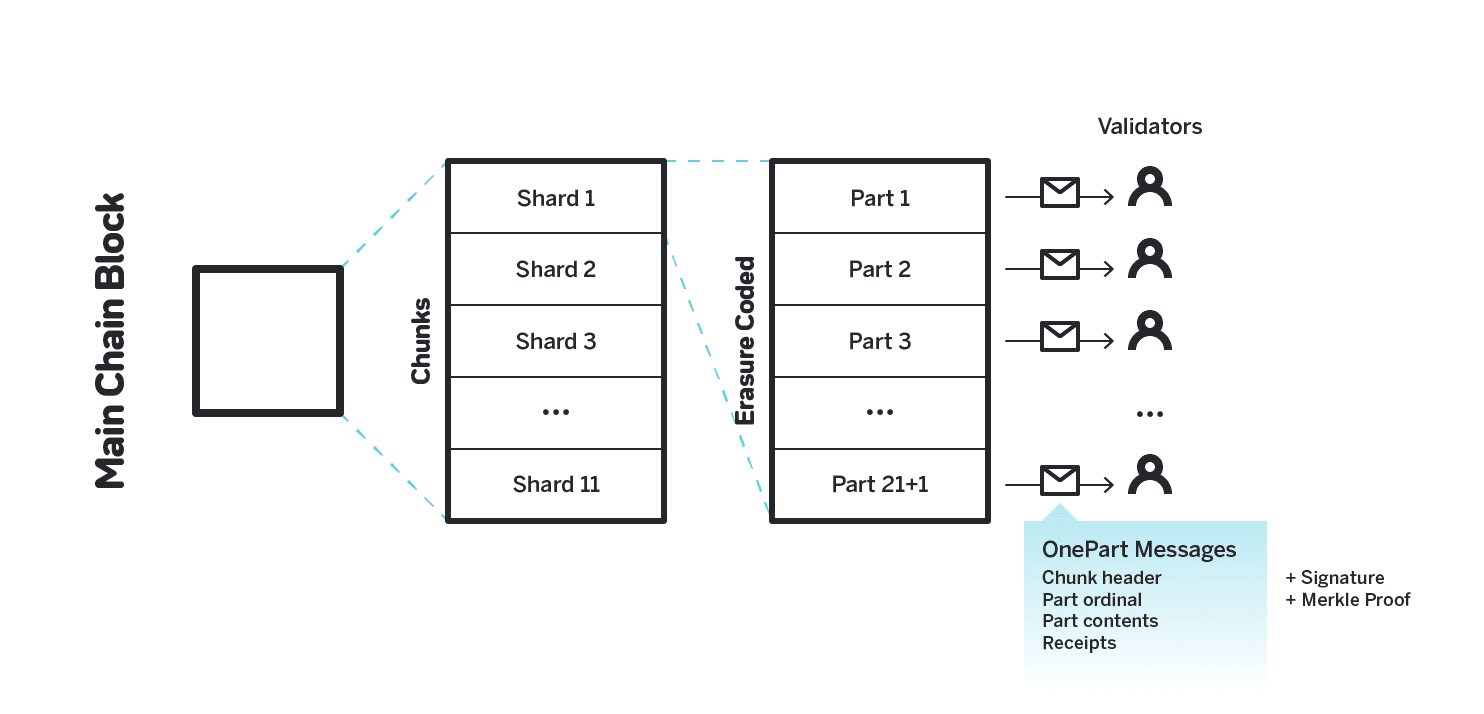
The final step involves storing the deployed frontend in a way that guarantees its persistence and availability. The BOS uses a robust storage mechanism to ensure that the frontend remains accessible and intact over time. This persistence is crucial for maintaining trust and reliability, as users can always access the application without worrying about it being taken down or becoming unavailable.
By treating front-ends as composable assets, BOS enables a level of interoperability that was previously difficult to achieve. Developers can mix and match different frontend components, creating a more flexible and adaptable ecosystem. This composability reduces the barriers to entry for both developers and users, as the focus shifts from managing infrastructure to building meaningful, user-centric applications.
This technical mechanism is not just about convenience; it is about fundamentally changing how Web3 applications are built and consumed. By simplifying the deployment and storage of decentralized front-ends, BOS paves the way for a more inclusive and accessible blockchain ecosystem. As more developers adopt this model, the potential for innovation and user adoption in Web3 continues to grow, driven by the ease of use and reliability that BOS provides.
Market signals and strategic financing
The financial markets don’t just watch NEAR Protocol; they fund its infrastructure. A clear signal of this confidence is the recent $5 million strategic financing secured by BOS, co-led by NEAR itself and the Blockchain Founders Fund. This isn’t just a grant—it’s a vote of confidence in the Blockchain Operating System as a foundational layer for AI and Web3 applications.
When a protocol invests directly in its own ecosystem’s infrastructure, it signals a long-term commitment to growth. BOS, which enables developers to create and deploy secure decentralized front-ends, is now positioned to accelerate its expansion globally. This strategic alignment suggests that NEAR is betting big on the idea that a unified OS will drive the next wave of adoption.
To understand the scale of this opportunity, it helps to look at the broader market context. NEAR’s price action reflects its growing relevance in the sharded blockchain space, maintaining 100% uptime on mainnet for over five years. The recent financing round adds a layer of institutional validation to this technical reliability.
The intersection of AI and Web3 is crowded, but the backing of established funds like the Blockchain Founders Fund sets BOS apart. It provides the capital needed to scale infrastructure, hire top talent, and integrate with other chains. For investors and developers, this marks a pivotal moment where infrastructure meets liquidity.
| Metric | NEAR Protocol | BOS Infrastructure |
|---|---|---|
| Primary Role | Sharded Blockchain Layer | Decentralized Front-End OS |
| Recent Funding | N/A (Protocol Treasury) | $5M (Co-led by NEAR) |
| Uptime Record | 100% (5+ Years) | N/A |
| Strategic Focus | Scalability & AI Integration | Secure Web3 App Deployment |
This table highlights the complementary nature of the two entities. NEAR provides the secure, scalable base layer, while BOS handles the user-facing complexity. Together, they form a robust stack for the next generation of internet applications.
Integrating NEAR into your portfolio
Building a position in NEAR Protocol requires more than just buying the token. You need to understand that NEAR functions as a Blockchain Operating System (BOS), a layer designed to simplify how developers build and how users interact with decentralized applications. This distinction changes how you should approach the asset, whether you are holding it for long-term value or using it for active trading.
Strategic approaches to NEAR
There are three distinct ways to engage with the NEAR ecosystem, each carrying different risks and rewards.
Holding for Infrastructure Growth
Buying NEAR tokens is a bet on the underlying infrastructure. As NEAR continues to prove its stability with over five years of mainnet uptime, the protocol serves as a foundation for Web3 development. Holding the asset aligns you with the growth of the network itself, rather than just a single application. This is a passive strategy that relies on the broad adoption of the BOS framework.
Using the Infrastructure
Active users engage with the ecosystem by running or interacting with decentralized front-end applications. The BOS technology allows these apps to be stored and deployed securely across various blockchain protocols. By using these tools, you validate the network's utility. This approach is less about speculation and more about testing the practical capabilities of a fully sharded, quantum-adaptive blockchain.
Leveraging Tools for Market Research
For traders, NEAR provides a unique environment for technical analysis. The volatility and structure of NEAR BOS tokens often create clear market patterns. Using dedicated charting tools to track these movements can reveal entry and exit points that align with broader market trends. This requires a disciplined approach to data, focusing on real-time metrics rather than static historical data.
Comparing NEAR to Other Layers
While many Layer-1 blockchains offer smart contract functionality, NEAR’s focus on the BOS model sets it apart. It prioritizes developer ease and user adoption over raw transaction speed alone. This makes it a distinct option for portfolios seeking exposure to infrastructure that bridges the gap between complex code and everyday user experience.
| Feature | NEAR BOS | Generic L1 |
|---|---|---|
| Core Focus | Decentralized Front-Ends | Smart Contracts Only |
| Sharding | Fully Sharded | Varies |
| User Experience | Simplified | Complex |
Technical Analysis Setup
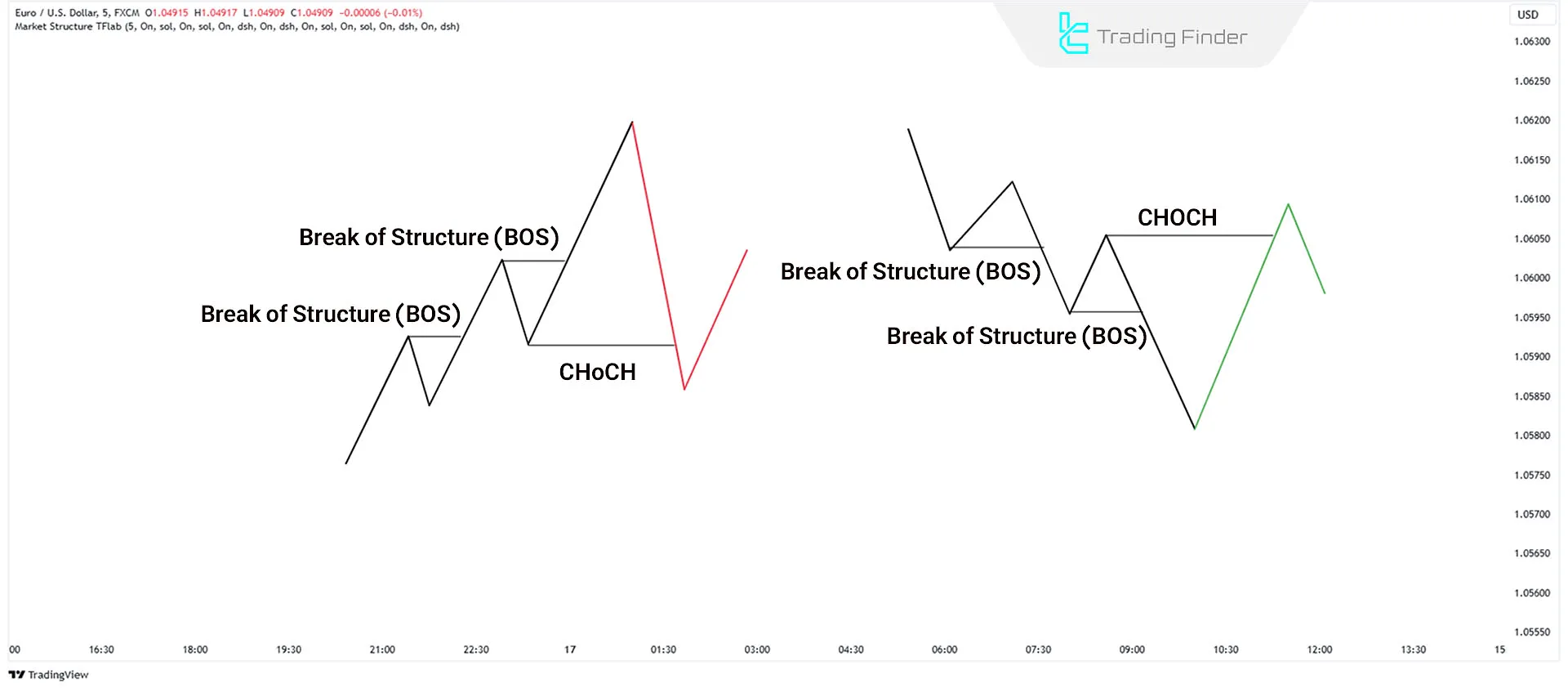
For those tracking NEAR actively, a provider-backed chart is essential for real-time decision-making. The following widget displays the current market structure, allowing you to identify break-of-structure (BOS) and change-of-character (CHoCH) patterns that signal potential trend reversals.
Common questions about NEAR BOS
Understanding the mechanics of the Blockchain Operating System (BOS) and the NEAR Protocol helps clarify how this infrastructure supports decentralized development. Below are answers to frequent queries about the ecosystem.
Helpful gear
Use these product recommendations as a starting point, then choose the size, material, and price point that fit how you actually use the gear.



As an Amazon Associate, we may earn from qualifying purchases.
No comments yet. Be the first to share your thoughts!