Understanding near bos crypto infrastructure limits to account for
NEAR Protocol operates as a fully sharded Layer-1 blockchain, but the ecosystem’s shift toward decentralized AI agents introduces specific infrastructure constraints. While the base layer maintains 100% uptime with 600ms blocks and 1.2s finality, the complexity of cross-chain execution and confidential settlement requires careful resource management.
The Blockchain Operating System (BOS) acts as the middleware for this environment. It enables developers to create, deploy, and store secure, decentralized front-end applications. This architecture allows developers to interact with various blockchain protocols, but it also means that frontend performance is tightly coupled with backend node availability and sharding efficiency.
When building on NEAR, you must account for the overhead of the agent harness. The infrastructure supports high throughput—up to 1 million TPS theoretically—but real-world agent interactions often face latency when querying off-chain data or executing private inference. Understanding these bottlenecks is essential for maintaining a responsive user experience in an AI-driven crypto environment.
Bos crypto infrastructure choices that change the plan
Choosing how to build on NEAR requires weighing the flexibility of the Blockchain Operating System (BOS) against the security of the core L1. The tradeoffs generally center on developer experience, cost, and the level of abstraction you are willing to accept.
| Feature | BOS Apps | Sharded L1 |
|---|---|---|
| Deployment Speed | Instant via standard web tools | Requires smart contract deployment and testing |
| Security Model | Relies on NEAR L1 security and BOS protocols | Native consensus and sharding guarantees |
| Transaction Cost | Sub-penny gas fees for actions | Slightly higher but still minimal L1 fees |
| Data Availability | Stored via NEAR storage contracts | Fully sharded state for high throughput |
The primary advantage of BOS is the barrier to entry. You can deploy a decentralized front-end that interacts with the blockchain using familiar web development tools. This approach abstracts away the complexity of smart contract compilation and deployment. However, this convenience comes with a dependency on the BOS layer itself. If the BOS infrastructure changes or faces issues, your application’s accessibility might be affected independently of the main chain’s health.
Building directly on the sharded L1 offers maximum control and security. You gain direct access to NEAR’s high throughput and 1.2-second finality. This path is better for applications requiring complex, on-chain logic or high-value asset management. The tradeoff is a steeper learning curve and longer development cycles. You must manage contract upgrades and handle gas optimization manually.
Consider your long-term maintenance strategy. BOS apps are easier to update and iterate on, similar to traditional web apps. L1 contracts are immutable by default, requiring careful planning for upgrades. For most new projects starting in 2026, BOS provides a pragmatic middle ground, allowing rapid iteration while still leveraging NEAR’s robust underlying infrastructure.
Choose the next step: Turn the research into a practical decision framework
NEAR Protocol is not just a Layer-1 blockchain; it is a full blockchain operating system (BOS) designed for the agent economy. The infrastructure combines cross-chain execution, confidential settlement, and private inference into a single secure harness. This architecture allows developers to build decentralized front-end applications that interact with various protocols without the usual complexity.
To leverage this infrastructure in 2026, you must move beyond passive holding and engage with the specific technical capabilities of the BOS. The following steps outline how to evaluate your position and integrate NEAR into a broader crypto strategy.
Begin by assessing your existing NEAR holdings against the network’s technical metrics. NEAR has maintained 100% uptime on mainnet for over five years, supporting 1 million TPS with 600ms blocks and 1.2-second finality. Compare your portfolio weight to the actual utility of the asset in agent-driven applications, not just speculative price action.
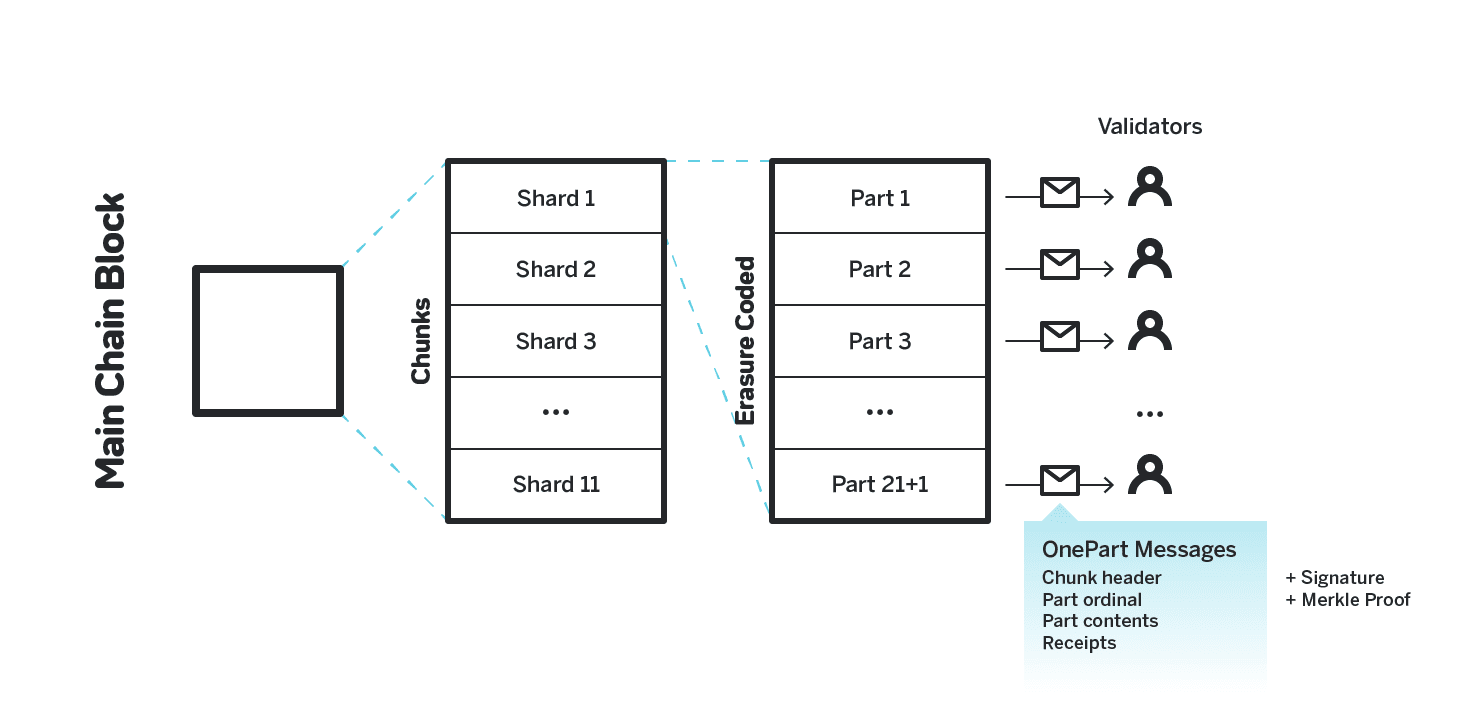
The BOS enables the creation and deployment of secure dApps. Track the number of active projects building on NEAR, particularly those utilizing its cross-chain and confidential computing features. High developer activity is a leading indicator of network health and long-term viability in the agent economy.
If you are a developer or protocol builder, explore the NEAR agent harness. This secure environment allows AI agents to operate on-chain with private inference and confidential settlement. Integrating with this harness positions you at the forefront of the intersection between AI and blockchain infrastructure.
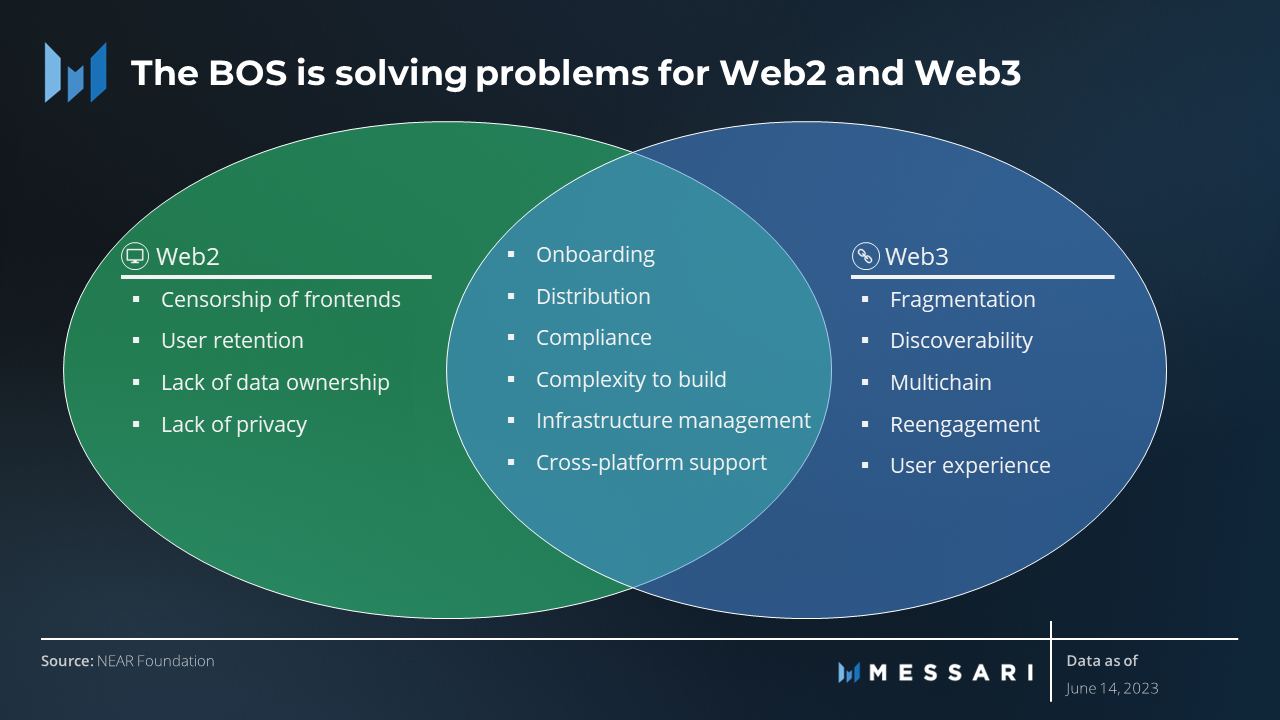
NEAR’s cross-chain execution layer is critical for interoperability. Assess how well NEAR bridges are functioning and the volume of assets moving between chains. A robust cross-chain strategy ensures that NEAR remains a central hub for decentralized applications rather than an isolated network.
Use technical charts to monitor NEAR’s price action and volume. Set alerts for key support and resistance levels, and track on-chain metrics like active addresses and transaction fees. This data-driven approach helps you make informed decisions about entry and exit points.
Avoid the weak options
The easiest mistake with NEAR BOS Crypto Infrastructure is comparing options on the most visible detail while ignoring the day-to-day constraint. A choice can look strong on paper and still fail because it is too hard to maintain, too expensive to repeat, or awkward in the actual setting. Use the same checklist for every option: fit, cost, durability, timing, upkeep, and fallback plan. That keeps the comparison practical instead of drifting into preference alone.
The simplest way to use this section is to write down the real constraint first, compare each option against it, and choose the path that still works outside ideal conditions.
No comments yet. Be the first to share your thoughts!