What is the NEAR Blockchain Operating System?
The NEAR Blockchain Operating System (BOS) is a framework for creating, deploying, and distributing decentralized frontends. It serves as the user interface layer for the NEAR ecosystem, allowing developers to build web applications that interact with smart contracts without managing complex backend infrastructure.
Think of the underlying NEAR Protocol as the engine of a car, while the BOS is the dashboard and steering wheel. The protocol handles the heavy lifting—consensus, data availability, and execution—while the BOS provides the tools to present that functionality to users in a familiar, web-native way. This distinction is critical: the BOS is not a separate blockchain, but a layer that sits on top of NEAR to simplify frontend development.
Before BOS, building on NEAR required developers to manually configure RPC endpoints, manage account credentials, and handle complex state synchronization. The BOS abstracts these details into a unified system. It enables the creation of "smart contracts as frontends," where the application logic and user interface are tightly integrated. This approach reduces latency and improves security by minimizing the need for external API calls.
The result is a more streamlined development experience. Developers can focus on building features rather than wrestling with infrastructure. For users, this means faster-loading, more responsive decentralized applications (dApps) that feel closer to traditional web experiences. The BOS aims to bridge the gap between the power of blockchain technology and the usability of modern web applications.
How BOS Changes Web3 Development
The Blockchain Operating System (BOS) represents a fundamental shift in how decentralized applications are built and experienced. Instead of the traditional monolithic model—where code, data, and user interfaces are tightly coupled into isolated silos—BOS introduces a composable, frontend-centric architecture. This approach treats the frontend not as an afterthought, but as a first-class citizen on the blockchain, enabling developers to assemble complex applications from reusable, open-source components.
At its core, BOS facilitates the "Open Web" vision by creating a layer where users can discover and interact with decentralized experiences without being locked into specific wallets or protocols. It simplifies the developer experience by providing a standardized environment for deploying secure, decentralized front-end applications. This modularity allows for greater innovation, as developers can focus on building specific features rather than reinventing the underlying infrastructure.
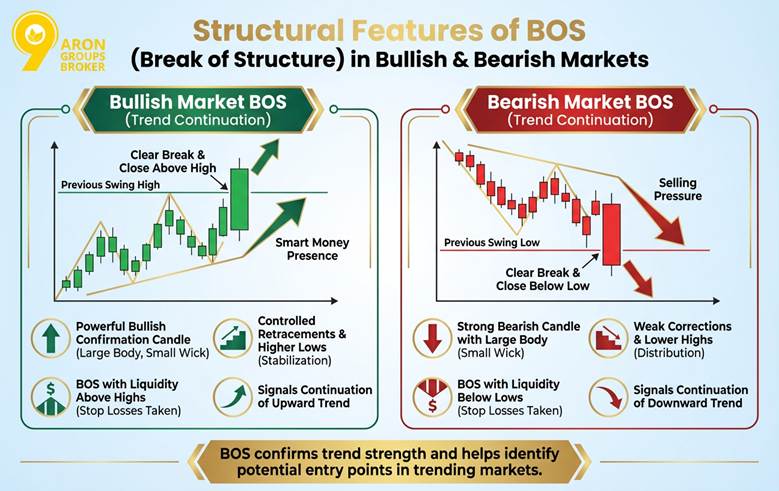
This composability is visualized in the diagram below, which contrasts the rigid structure of traditional dApps with the flexible, interconnected nature of BOS.
The economic implications of this shift are significant. By lowering the barrier to entry for both developers and users, BOS aims to accelerate adoption and drive value to the NEAR ecosystem. The live price of NEAR reflects market sentiment toward this infrastructure, serving as a real-time indicator of the network's growing utility and potential.
Essential Tools for BOS Builders
Building on the NEAR Blockchain Operating System (BOS) requires a specific set of development tools. BOS is not just a protocol; it is a framework for creating, testing, and deploying decentralized application frontends. To build effectively, developers need to understand the SDKs, documentation, and infrastructure that support this ecosystem.
The foundation of BOS development is the official NEAR documentation. It provides the necessary guides for interacting with the NEAR Protocol, including account creation, smart contract deployment, and frontend integration. For developers looking to dive deeper, the NEAR Developer Hub offers comprehensive tutorials and code examples. These resources are essential for understanding how to leverage BOS features like sharding and account abstraction.
For those who prefer a more hands-on approach, the NEAR CLI (Command Line Interface) is a powerful tool for managing accounts and deploying contracts. It allows developers to interact with the NEAR blockchain directly from their terminal. Additionally, the NEAR Wallet SDK enables seamless integration of wallet functionality into web applications, ensuring secure user authentication and transaction signing.
| Tool | Purpose | Ease of Use |
|---|---|---|
| NEAR Docs | Official documentation and guides | High |
| NEAR CLI | Command-line interface for blockchain interaction | Medium |
| NEAR Wallet SDK | Wallet integration for web apps | High |
| NEAR Studio | Online IDE for smart contract development | High |
These tools form the backbone of the BOS development experience. By mastering them, developers can build robust, scalable, and user-friendly decentralized applications on the NEAR network. The ecosystem continues to evolve, with new tools and resources being added regularly to support the growing community of builders.
NEAR BOS Crypto Market Analysis
The intersection of NEAR Protocol's infrastructure and the BitcoinOS (BOS) ecosystem creates a unique market dynamic. BOS functions as a blockchain operating system, enabling developers to build and deploy secure, decentralized front-end applications across various networks. This utility drives demand for NEAR's underlying infrastructure, linking technical growth directly to token performance.
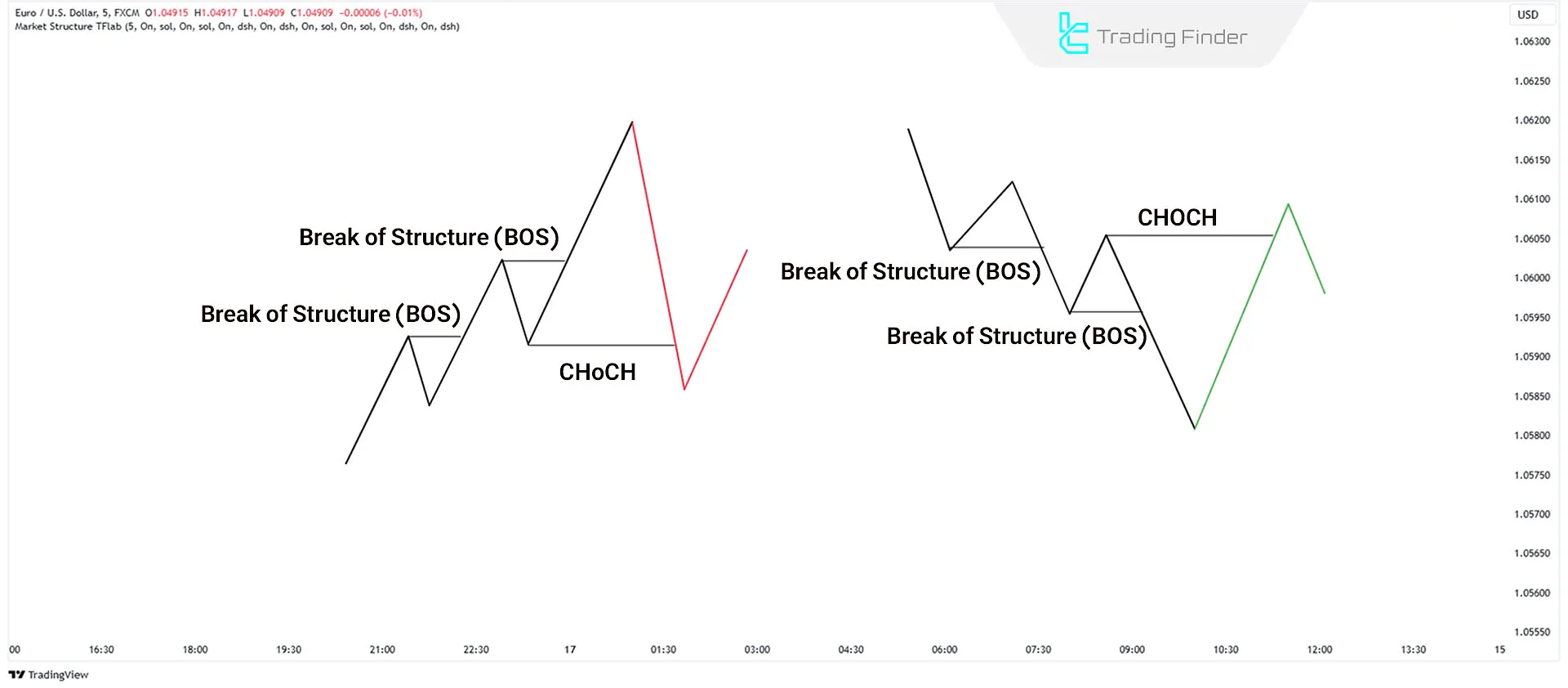
Recent market data shows BOS trading at approximately $0.000066, with significant 24-hour volatility. While the token is still in early stages, its integration with NEAR's high-throughput shardchain technology offers a compelling value proposition. The BOS visualizes market structure breaks, helping traders identify potential trend reversals—a critical tool in NEAR's growing DeFi landscape.
Investors should monitor NEAR's on-chain activity as a leading indicator for BOS adoption. As more developers utilize NEAR's near-sdk for BOS front-ends, the network's transaction volume typically increases. This symbiotic relationship suggests that NEAR's price stability could support BOS's long-term utility, rather than the other way around.
For a deeper understanding of the technical infrastructure, the NEAR Foundation provides detailed documentation on how BOS leverages NEAR's account model. This official resource clarifies the technical advantages of using NEAR as the base layer for Bitcoin-centric applications.
Common Mistakes When Building on BOS
Developers often treat the NEAR Blockchain Operating System (BOS) as a simple component library, but it functions more like a decentralized frontend infrastructure. The most frequent error is treating frontend composition as an afterthought. When you bundle multiple widgets into a single app without considering the gateway configuration, you create a rigid structure that defeats the purpose of composability.
Gateway Misconfiguration
The BOS gateway acts as the bridge between your frontend and the NEAR blockchain. A common pitfall is hardcoding RPC endpoints or ignoring the gateway's ability to aggregate data from multiple sources. If your app pulls data from one block explorer but renders widgets from another without proper gateway routing, users will experience latency or stale data. Always configure your gateway to handle cross-widget data dependencies efficiently, ensuring that the frontend remains responsive even when backend queries are complex.
Ignoring Component Composition
Another mistake is building isolated features instead of composable units. The BOS is designed for modular development, where widgets can be reused across different apps. If you write custom code for every interaction rather than leveraging existing BOS widgets, you increase maintenance overhead and reduce interoperability. Think of your app as a collection of Lego blocks; if each block is unique and incompatible with others, you lose the flexibility that makes BOS powerful.
Frequently Asked Questions About BOS
Helpful gear
Use these product recommendations as a starting point, then choose the size, material, and price point that fit how you actually use the gear.



As an Amazon Associate, we may earn from qualifying purchases.
No comments yet. Be the first to share your thoughts!