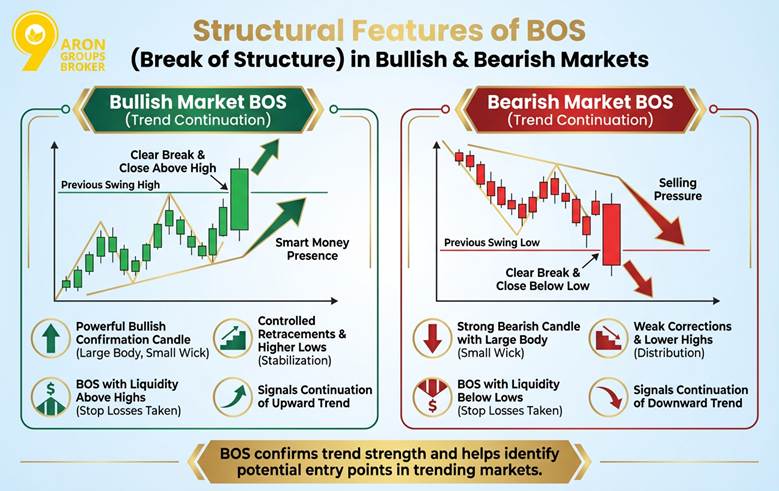
NEAR BOS crypto analysis overview
The NEAR Blockchain Operating System (BOS) is positioning itself as the foundational layer for the agent economy. Rather than treating blockchain merely as a ledger for transactions, NEAR is building the infrastructure that powers autonomous digital agents. This shift is critical for the 2026 market, where the demand for scalable, efficient, and interoperable Layer 1 solutions will likely outpace current capabilities.
NEAR's strategy focuses on unifying liquidity across 35+ chains while keeping execution and inference confidential. By simplifying decentralized development, the BOS aims to lower the barrier to entry for builders and users alike. This approach addresses the fragmentation that has historically hindered widespread Web3 adoption.
The market is beginning to recognize this potential. As AI narratives gain traction, NEAR's positioning as the blockchain for AI agents and autonomous commerce is driving renewed interest. Understanding the BOS is essential for evaluating NEAR's long-term viability and its role in the next cycle of crypto innovation.
Core components of the blockchain operating system
Use this section to make the NEAR BOS Crypto Analysis decision easier to compare in real life, not just on paper. Start with the reader's actual constraint, then separate must-have requirements from details that are merely nice to have. A practical choice should survive normal use, maintenance, timing, and budget. If a recommendation only works in an ideal situation, call that out plainly and give the reader a fallback path.
The simplest way to use this section is to write down the must-have criteria first, then compare each option against those criteria before weighing nice-to-have features.
NEAR BOS crypto infrastructure for agents
Use this section to make the NEAR BOS Crypto Analysis decision easier to compare in real life, not just on paper. Start with the reader's actual constraint, then separate must-have requirements from details that are merely nice to have. A practical choice should survive normal use, maintenance, timing, and budget. If a recommendation only works in an ideal situation, call that out plainly and give the reader a fallback path.
The simplest way to use this section is to write down the must-have criteria first, then compare each option against those criteria before weighing nice-to-have features.
Market research and investment strategy
Use this section to make the NEAR BOS Crypto Analysis decision easier to compare in real life, not just on paper. Start with the reader's actual constraint, then separate must-have requirements from details that are merely nice to have. A practical choice should survive normal use, maintenance, timing, and budget. If a recommendation only works in an ideal situation, call that out plainly and give the reader a fallback path.
| Factor | What to check | Why it matters |
|---|---|---|
| Fit | Match the option to the primary use case. | A good deal still fails if it does not fit the job. |
| Condition | Verify age, wear, and service history. | Hidden condition issues erase upfront savings. |
| Cost | Compare purchase price with likely upkeep. | The cheapest option is not always the lowest-cost option. |
Tools and resources for NEAR builders
NEAR BOS Crypto Analysis works best as a clear sequence: define the constraint, compare the realistic options, test the tradeoff, and choose the path with the fewest hidden costs. That order keeps the advice usable instead of decorative. After each step, pause long enough to check whether the recommendation still fits the reader's actual situation. If it depends on perfect timing, unusual access, or a best-case budget, include a simpler fallback.
The simplest way to use this section is to write down the real constraint first, compare each option against it, and choose the path that still works outside ideal conditions.
Frequently asked questions about NEAR BOS
Helpful gear
Use these product recommendations as a starting point, then choose the size, material, and price point that fit how you actually use the gear.

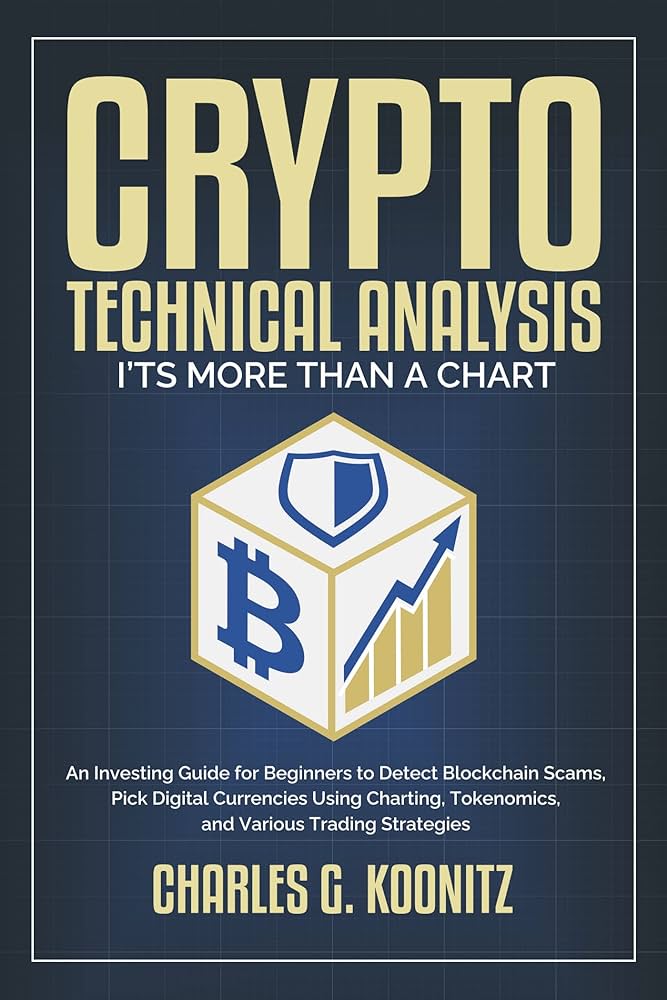

As an Amazon Associate, we may earn from qualifying purchases.
No comments yet. Be the first to share your thoughts!