NEAR BOS crypto strategy: a practical framework
A Break of Structure (BOS) is a continuation signal, not a reversal one. In an uptrend, price closing above the last swing high confirms bullish momentum. In a downtrend, closing below the last swing low confirms bearish pressure. For NEAR BOS crypto strategy, this distinction prevents traders from mistaking a trend pause for a trend change.
The most reliable approach combines BOS with a Change of Character (CHoCH). Traders enter a buy position when a bullish CHoCH forms, signaling the end of a downtrend. They then wait for a bullish BOS to confirm that the new uptrend is likely to continue. This two-step process filters out false breakouts and aligns entries with the prevailing market structure.
While day trading and swing trading are common crypto strategies, BOS provides a specific entry trigger within those frameworks. It helps traders identify high-probability continuation points rather than guessing tops or bottoms. This method is particularly useful in volatile markets like NEAR, where clear structure breaks often precede significant price movements.
Bos crypto strategy choices that change the plan
A Break of Structure (BOS) signals trend continuation, not reversal. When price closes above a previous swing high in an uptrend, or below a swing low in a downtrend, the pattern confirms momentum. This distinction matters because traders often mistake BOS for entry signals when it is actually a confirmation of existing direction.
The primary tradeoff is timing versus confirmation. Entering on the break offers high conviction but poor risk-to-reward ratios due to slippage and late entries. Waiting for a retest improves precision but risks missing the move if the trend accelerates without pulling back. Your choice depends on your risk tolerance and the asset's volatility.
| Approach | Entry Point | Risk Level | Reward Profile |
|---|---|---|---|
| Aggressive Break | On candle close | High (slippage) | High (capturing impulse) |
| Conservative Retest | After pullback to broken level | Medium | Moderate (better R:R) |
| Trend Following | With moving average alignment | Low | Consistent (lower frequency) |
The most profitable strategies combine BOS with other indicators like the 1% rule for position sizing. This rule limits risk to 1% of account equity per trade, ensuring that a string of false breaks does not decimate your capital. Combining this with a conservative retest entry creates a robust framework for long-term growth.
Ultimately, the best bos trading strategy aligns with your psychological profile. Aggressive traders may prefer the momentum of the initial break, while patient traders will wait for the retest. There is no universal winner; the choice is a tradeoff between speed and safety.
Choose the next step with a BOS decision framework
A Break of Structure (BOS) is a continuation signal, not a reversal. It occurs when price convincingly breaks above a previous swing high (bullish BOS) or below a previous swing low (bearish BOS), confirming that the current trend is likely to continue.
| Component | Signal | Role |
|---|---|---|
| CHoCH | Reversal | Entry trigger |
| BOS | Continuation | Confirmation |
Traders often confuse the Break of Structure with a Change of Character (CHoCH). The CHoCH signals that a trend has ended and a new one may be starting. The BOS signals that the new trend is gaining strength. Using both creates a high-probability setup: enter on the CHoCH, and wait for the BOS to confirm the direction.
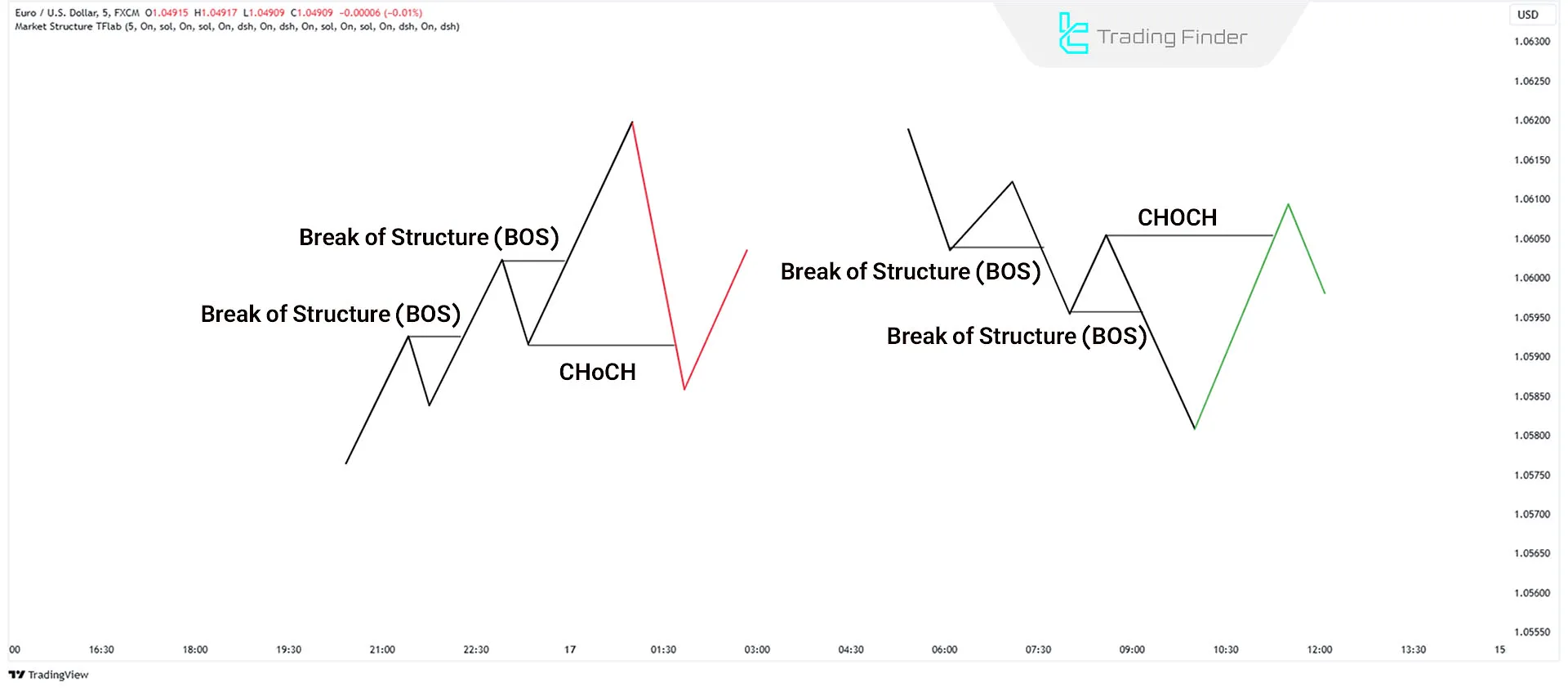
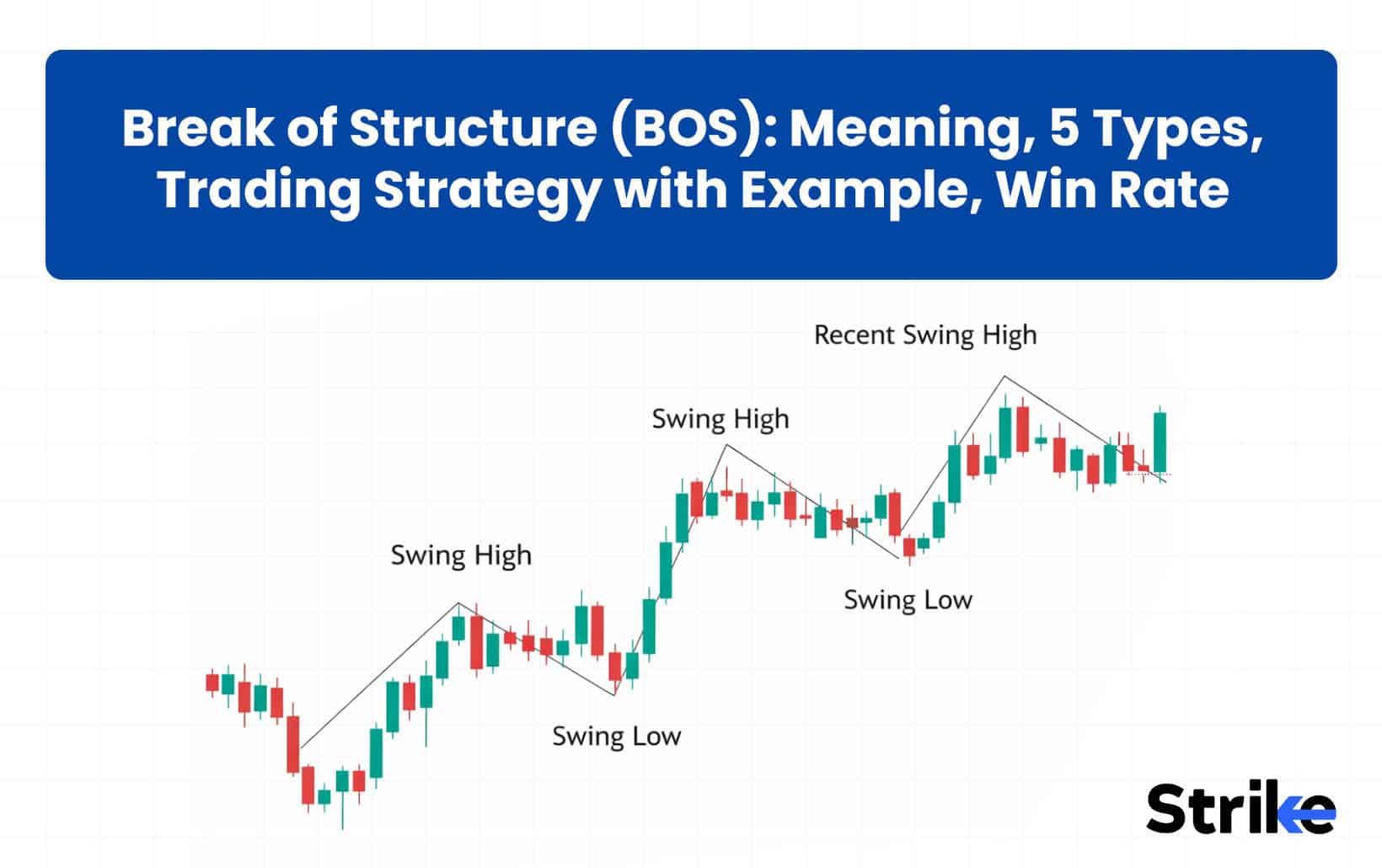
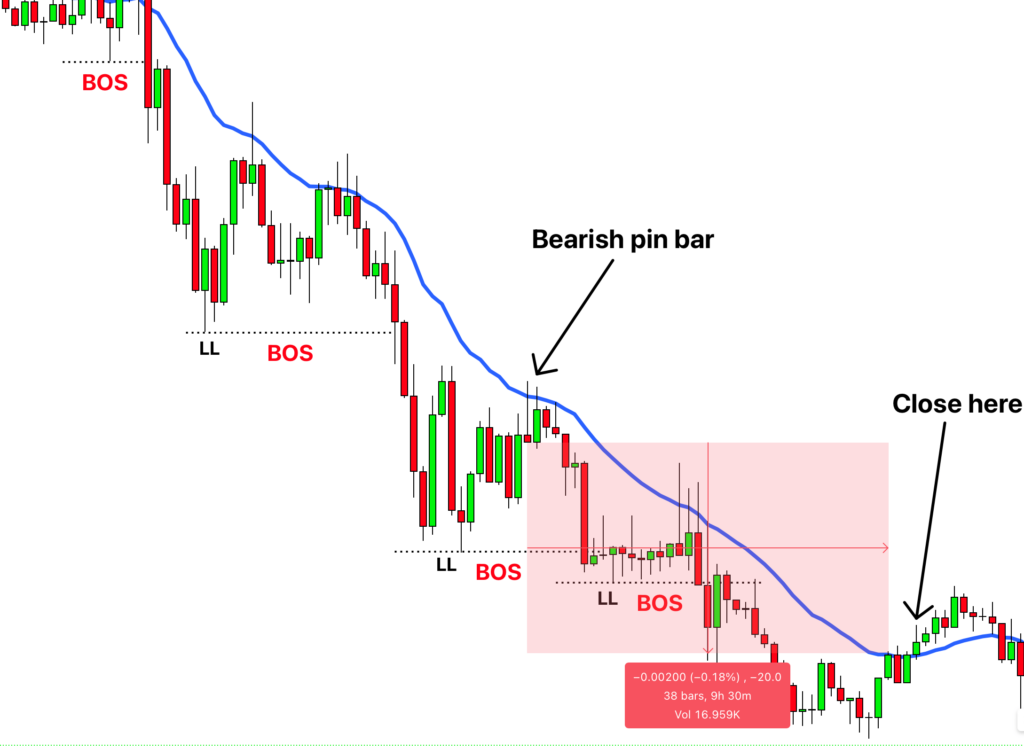
This approach filters out false breakouts. By requiring both a reversal signal (CHoCH) and a continuation signal (BOS), you align with the market's structural shift rather than guessing the bottom or top.
Spotting Weak BOS Signals and Misleading Claims
NEAR BOS (Break of Structure) trading relies on identifying trend continuations, but the strategy is frequently misunderstood or misapplied. A common mistake is treating every breakout as a valid signal. In reality, a bullish BOS only confirms an uptrend if the price closes convincingly above the last swing high. Similarly, a bearish BOS requires a close below the last swing low. Without this confirmation, you are likely looking at a false breakout or a liquidity grab, which often leads to premature entries and stop-losses.
Another weak option is relying solely on the BOS without context. A breakout in the middle of a consolidation range is rarely reliable. Professional traders wait for the BOS to occur after a clear Change of Character (CHoCH) or during a strong momentum phase. Entering a buy position at the formation of a bullish CHoCH is often safer, using the subsequent BOS merely as confirmation of the new bullish position. This layered approach filters out noise and reduces the risk of entering against the dominant market structure.
Be wary of claims that BOS is a standalone "holy grail" strategy. It is a continuation signal, not a reversal indicator. When markets are choppy or lack volume, BOS patterns fail frequently. The most profitable strategies in crypto combine BOS with volume analysis and broader market trends. Always verify the breakout with higher timeframe structures to ensure the move has institutional backing.
Near bos crypto strategy: what to check next
Traders often confuse the NEAR Protocol’s Blockchain Operating System (BOS) with Break of Structure (BOS) trading signals. While the NEAR BOS provides infrastructure for web3 discovery, the trading term refers to a specific price action pattern used to confirm trend continuation. Understanding this distinction is essential before applying technical strategies to NEAR token.
What is the best bos trading strategy?
The most reliable BOS trading strategy combines trend identification with confirmation. Traders typically enter a position when a Change of Character (CHoCH) signals a potential reversal, then wait for a Break of Structure (BOS) to confirm the new trend direction. For example, in an uptrend, buying after price closes above the last swing high confirms bullish momentum. This two-step confirmation reduces false signals and improves entry timing.
Is bos a bullish or bearish signal?
A BOS is a continuation signal, meaning it indicates the current trend is likely to persist. A bullish BOS occurs when price breaks above a previous swing high, confirming upward momentum. Conversely, a bearish BOS happens when price closes below a previous swing low, signaling continued downward pressure. It is not a reversal signal on its own; traders use it to ride existing trends rather than predict turns.
What is the most profitable strategy in crypto?
No single strategy guarantees profit, but swing trading and long-term holding (HODLing) are among the most consistent for crypto assets. Day trading and high-frequency trading offer quick profits but require significant time and risk management. For NEAR specifically, leveraging its infrastructure growth through long-term positions often outperforms short-term speculation, given the protocol’s focus on scalability and user adoption.
What is the 1% rule in crypto?
The 1% rule is a risk management guideline suggesting traders risk no more than 1% of their total capital on a single trade. This protects portfolios from catastrophic losses during volatile crypto markets. For example, if your portfolio is $10,000, you should not lose more than $100 on any one NEAR trade. This discipline helps sustain long-term trading viability despite inevitable losses.
Helpful gear
Use these product recommendations as a starting point, then choose the size, material, and price point that fit how you actually use the gear.


![The Crypto Millionaire Bible: [5 in 1] How to Easily Make Life-Changing Money in The Next Big 2025-2026 Bull Run with Smart Investing and Trading Any Cryptocurrency (Altcoins, Meme, NFT, Airdrops)](https://m.media-amazon.com/images/I/61K1jz+cWtL._AC_UL960_QL65_.jpg)
As an Amazon Associate, we may earn from qualifying purchases.
No comments yet. Be the first to share your thoughts!