Analyzing the NEAR BOS crypto signal
The term "BOS" in the context of NEAR Protocol refers to the Blockchain Operating System, a foundational layer for discovering open web experiences across compatible blockchains. However, traders often confuse this infrastructure term with "Break of Structure," a technical analysis pattern used to identify trend continuations. This distinction is critical for accurate market research.
1. Distinguish BOS from Break of Structure
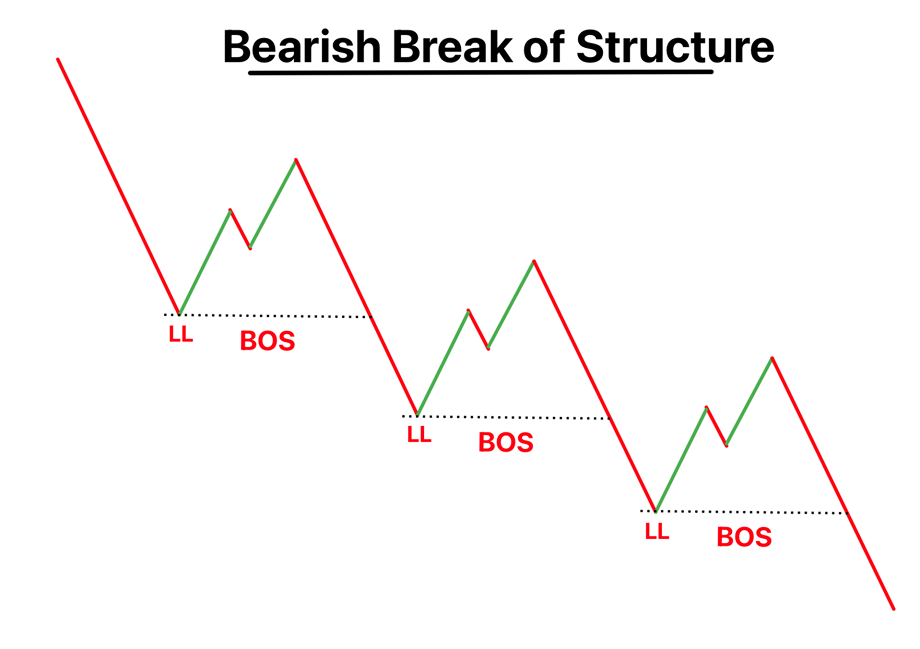
When analyzing charts, a Break of Structure (BOS) occurs when price convincingly breaks above a previous swing high (bullish) or below a swing low (bearish). This confirms the current trend is likely to continue. It is a momentum signal, not a reference to NEAR's protocol upgrades. Confusing these two leads to misaligned trading strategies.
2. Evaluate NEAR Protocol's Infrastructure Growth
NEAR's BOS is an industry-first category designed to make web3 experiences discoverable. It acts as a common layer for browsing dApps, similar to how an operating system manages software on a computer. For builders, this means lower friction for user acquisition. For investors, it signals long-term utility beyond speculative price action.
3. Assess the AI Narrative Driver
NEAR is currently positioning itself as the blockchain for AI agents, chain abstraction, and autonomous commerce. This strategic pivot has attracted significant attention, contributing to recent price volatility. The market is waking up to the potential of NEAR to serve as the settlement layer for AI-driven transactions, creating a unique value proposition distinct from pure meme coins or legacy smart contract platforms.
Bos crypto analysis choices that change the plan
Evaluating the Blockchain Operating System (BOS) requires looking past the marketing hype to the underlying infrastructure. As NEAR Protocol’s layer for open web experiences, BOS offers a unified way to discover and interact with applications across different chains. However, adopting this technology involves specific tradeoffs between developer convenience, user experience, and network dependency.
Developer Friction vs. Unified Discovery
BOS aims to solve the fragmentation problem in Web3 by creating a common layer for browsing. For builders, this means less time configuring individual wallet connections and more time focusing on core logic. The tradeoff lies in the learning curve; developers must adapt to NEAR’s specific standards and tooling. While the unified discovery layer simplifies user onboarding, it also centralizes discovery metrics. If a dApp relies heavily on BOS visibility, its success becomes tied to NEAR’s ecosystem health rather than just its own product-market fit.
Cross-Chain Abstraction and Security
The promise of chain abstraction is seamless interaction across multiple blockchains. In practice, this introduces a new attack surface. When BOS handles the complexity of bridging and transaction routing, it assumes the role of a critical intermediary. Users benefit from a smoother experience, but they must trust the underlying infrastructure’s security audits. A vulnerability in the abstraction layer could impact assets across multiple chains, a risk that doesn’t exist when interacting directly with a single, isolated smart contract.
Dependency on NEAR’s Ecosystem Growth
BOS is deeply integrated with NEAR Protocol. This creates a symbiotic relationship where the success of BOS is inextricably linked to NEAR’s adoption. If NEAR’s user base stagnates, the value proposition of a "common layer" diminishes. Conversely, if NEAR succeeds as the "blockchain for AI agents" and autonomous commerce, BOS becomes the standard interface for those interactions. Builders must weigh the potential upside of being early on a dominant platform against the risk of vendor lock-in.
| Factor | Pros | Cons |
|---|---|---|
| Developer Experience | Unified discovery layer reduces wallet fragmentation | Requires learning NEAR-specific standards and tooling |
| User Onboarding | Simplified interaction across multiple chains | New attack surface via abstraction layer |
| Ecosystem Growth | High upside if NEAR becomes the AI/Commerce standard | Success tied to NEAR’s specific market trajectory |
How to use the NEAR BOS framework for decision making
The Blockchain Operating System (BOS) is not just a token ticker; it is a structural layer for discovering open web experiences across any blockchain. Understanding how NEAR Protocol positions itself as the infrastructure for AI agents and autonomous commerce helps you separate technical utility from market noise. Use the following steps to evaluate NEAR’s current trajectory and determine your entry or exit strategy.
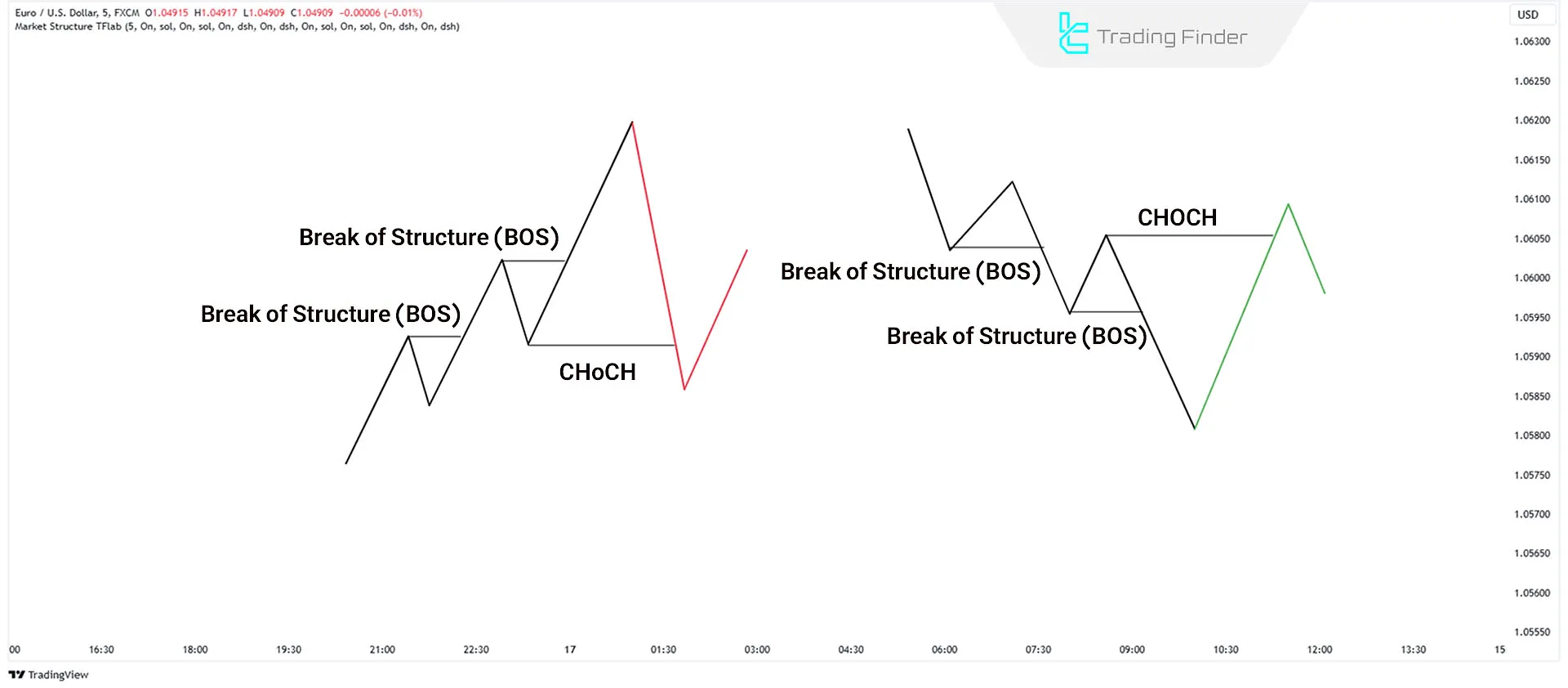
A Break of Structure (BOS) signals trend continuation. A bullish BOS occurs when price breaks a previous swing high, while a bearish BOS breaks a swing low. Check the NEAR/USD chart to see if recent price action confirms the current trend rather than just reacting to short-term volatility.
The recent surge in NEAR’s price is largely driven by its positioning as a blockchain for AI agents and chain abstraction. Evaluate whether the project’s technical roadmap aligns with real developer activity in the AI space, rather than just following social media hype.
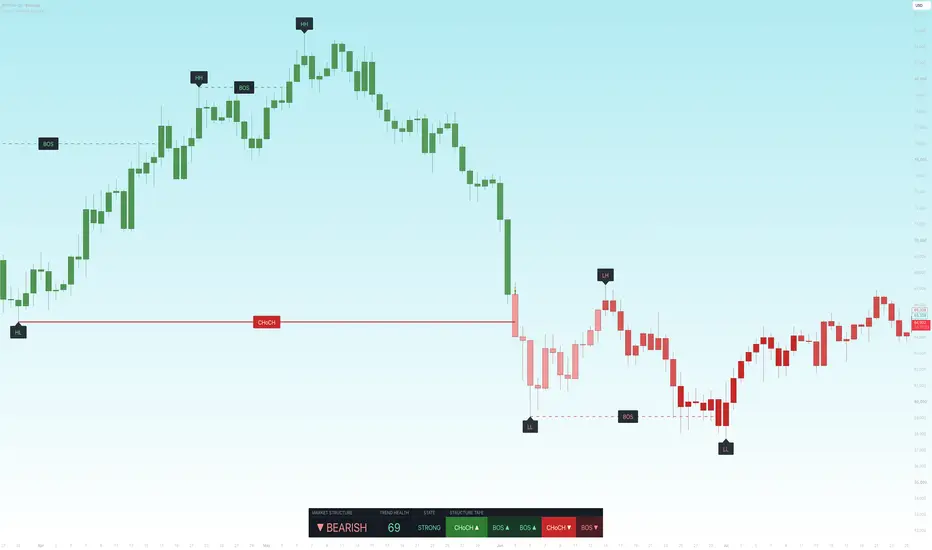
Use provider-backed tools to analyze support and resistance levels. The BOS framework works best when combined with volume data and momentum indicators to confirm that a break is genuine and not a fake-out.
NEAR was founded in 2018 by Illia Polosukhin and Alexander Skidanov, with its mainnet launching in 2020. Understanding the core team’s background and the token’s distribution helps you gauge the long-term stability of the protocol.
Watch out for misleading claims and weak options
The NEAR BOS narrative attracts attention, but it also invites confusion. Builders and investors often mix up the NEAR Blockchain Operating System (BOS) with unrelated concepts or weak project alternatives. Before committing resources, you need to separate the infrastructure reality from the hype.
Confusing BOS with other "OS" projects
A common mistake is assuming all blockchain "operating systems" are the same. NEAR BOS is a specific layer for discovering and deploying open web experiences. It is not a general-purpose smart contract platform like EOS or a Bitcoin layer-2 like BitcoinOS. Confusing these leads to poor technical decisions. BOS is about interoperability and discovery, not just execution. Check the official NEAR BOS documentation to understand its unique role in the stack.
Mistaking trading signals for protocol value
Another trap is conflating technical analysis signals with fundamental protocol health. The "Break of Structure" (BOS) is a trading pattern, not a NEAR-specific metric. A bullish BOS in price action confirms a trend continuation; it doesn't validate the BOS infrastructure. Similarly, short-term price pumps driven by AI narratives don't automatically mean the underlying web3 infrastructure is mature. Evaluate the protocol's developer activity and chain abstraction progress, not just daily candlesticks.
Ignoring the weak alternatives
Many projects claim to solve the same discovery and deployment problems NEAR addresses, but few have the same level of integration. Some alternatives offer fragmented experiences or limited cross-chain compatibility. When evaluating options, look for concrete metrics: active deployments, user acquisition, and actual interoperability standards. Avoid projects that rely on vague "ecosystem" promises without technical proof.
Near bos crypto analysis: what to check next
Readers often confuse NEAR’s BOS with BitcoinOS or EOS, leading to mixed signals on whether the project is a buy or a sell. Below are the practical answers to the most common questions about the NEAR ecosystem, its governance, and its market position.
Helpful gear
Use these product recommendations as a starting point, then choose the size, material, and price point that fit how you actually use the gear.



As an Amazon Associate, we may earn from qualifying purchases.
No comments yet. Be the first to share your thoughts!