What the NEAR BOS actually is
The Blockchain Operating System (BOS) is NEAR Protocol's attempt to solve the fragmentation problem that has long plagued the crypto space. Rather than treating the blockchain merely as a settlement layer for transactions, the BOS functions as a common infrastructure layer for browsing and discovering open web experiences. It is compatible with any blockchain, effectively creating a unified interface for the decentralized web.
Think of the BOS as the "app store" for decentralized applications. Before the BOS, discovering and interacting with dApps required navigating isolated silos, often with inconsistent user experiences. The BOS standardizes this process, allowing users to find, launch, and interact with applications across different chains through a single, cohesive platform. This shifts the focus from isolated protocol mechanics to user-centric discovery and usability.
This distinction is critical for understanding NEAR's market position. While many Layer-1 projects compete on raw throughput or finality times, NEAR is competing on accessibility. By providing a shared environment where developers can build and users can navigate seamlessly, the BOS aims to lower the barrier to entry for mainstream adoption. It transforms the blockchain from a complex technical backend into a visible, interactive layer of the internet.
NEAR Price Context and Market Signals
NEAR Protocol is currently navigating a shift in market sentiment driven by its pivot toward AI infrastructure and chain abstraction. The token’s price action reflects this transition, with recent volatility mirroring broader crypto market trends while showing specific strength against assets tied to speculative narratives. Understanding this context requires looking at real-time data rather than static predictions, as the infrastructure layer is actively being adopted by developers building autonomous agents.
To gauge current momentum, we rely on live provider-backed charts that update with every trade. The following chart displays the NEAR/USD pair, highlighting recent support and resistance levels that traders are watching closely.
While NEAR shows resilience, it is important to contextualize its performance against other assets in the ecosystem. For instance, emerging tokens like BitcoinOS (BOS) operate in a much lower market cap bracket, often exhibiting higher volatility and different risk profiles. The table below compares the general market positioning of NEAR against these smaller-cap assets to clarify where each fits in a diversified portfolio.
| Asset | Primary Focus | Risk Profile |
|---|---|---|
| NEAR | AI Infrastructure & Chain Abstraction | Medium-High |
| BitcoinOS (BOS) | Niche Speculative Utility | High |
This comparison highlights why NEAR is often viewed as a core holding for infrastructure exposure, whereas assets like BOS serve as high-risk speculative plays. The live PriceWidget below provides the current valuation for NEAR, ensuring you are analyzing the most up-to-date market data available.
Why builders choose the BOS stack
The NEAR BOS (Blockchain Operating System) functions less like a traditional blockchain and more like a decentralized application store. Instead of forcing developers to compete for limited block space on a single chain, the BOS allows them to deploy independent, specialized blockchains that can communicate seamlessly. This architecture removes the friction of cross-chain bridges and complex interoperability layers, giving teams a dedicated environment to scale without congesting the main network.
Ease of deployment is the primary draw. Developers can spin up a new blockchain using the NEAR CLI in minutes, utilizing familiar tools like JavaScript and TypeScript for smart contracts. This low barrier to entry accelerates iteration cycles, allowing teams to test and refine their logic before going live. The result is a vibrant ecosystem where innovation happens at the edge, with each chain optimizing for its specific use case rather than a one-size-fits-all approach.
Chain abstraction further enhances this utility by hiding the complexity of the underlying infrastructure from the end user. Users interact with applications through a unified interface, unaware of the specific chain handling their transaction. This seamless experience is critical for mass adoption, as it removes the technical hurdles that typically deter non-crypto-native users from participating in decentralized economies.
This strategic focus on developer experience and user abstraction drives the current market narrative. As more teams recognize the efficiency of deploying specialized chains within the BOS ecosystem, the network effect strengthens. The combination of technical ease and economic scalability makes NEAR a pragmatic choice for builders aiming to launch robust, user-friendly applications in the AI and Web3 spaces.
Tools for NEAR ecosystem research
Analyzing the NEAR Blockchain Operating System (BOS) requires separating the underlying infrastructure from the token speculation. Because BOS projects operate on a shared layer rather than isolated silos, you need tools that track both the protocol health and the specific market dynamics of emerging tokens.
Market Data and Price Tracking
For immediate price action, live widgets provide the most reliable data without the lag of static tables. The NEAR token itself serves as the primary utility asset for gas and staking, while specific BOS project tokens like BitcoinOS (BOS) require dedicated tracking due to their lower liquidity and higher volatility.
When evaluating specific BOS projects, always cross-reference with major exchanges like Kraken or Coinbase for depth. For example, BitcoinOS currently trades around $0.00004, a price point that requires precise entry and exit strategies. Use the chart below to visualize the broader NEAR market context, which often leads smaller BOS tokens.
On-Chain and Infrastructure Analysis
The BOS is designed as a common layer for discovering open web experiences. To understand the utility of projects within this ecosystem, you must look beyond price charts. NEAR Explorer allows you to verify transaction volumes and smart contract interactions directly on the blockchain. This is essential for confirming whether a project is generating actual user activity or just speculative trading volume.
For a deeper dive into how these projects are built, official NEAR documentation and community case studies offer technical blueprints. Understanding the underlying architecture helps you distinguish between projects that leverage the BOS for genuine scalability and those that are merely riding the narrative wave.
Security and Asset Management
Participating in the NEAR ecosystem, especially with newer BOS tokens, carries significant risk. Hardware wallets are not optional; they are the first line of defense against smart contract exploits and phishing attempts. Since BOS projects often involve complex bridge mechanisms and multi-rollup architectures, keeping your private keys offline is the only way to ensure true ownership.


As an Amazon Associate, we may earn from qualifying purchases.
Strategic checklist for 2026
Evaluating NEAR BOS opportunities requires separating infrastructure utility from speculative price action. The NEAR Blockchain Operating System functions as a discovery layer for open web experiences, allowing users to browse and interact with compatible dApps across chains. This structural shift changes how we assess value: focus on adoption metrics and developer activity rather than short-term volatility.
Use this workflow to evaluate projects and market conditions before committing capital.
Confirm the project is built natively on NEAR or utilizes its chain abstraction features. A strong BOS project leverages NEAR’s speed and low fees to solve real user problems. Check the official NEAR blog for announcements and verify that the team is actively contributing to the open-source ecosystem.
Look for consistent transaction volume and active user wallets. Infrastructure value is driven by usage, not just hype. Review the project’s dashboard or NEAR Explorer data to see if daily active users are growing. Projects with stagnant metrics often struggle to maintain relevance in a competitive market.
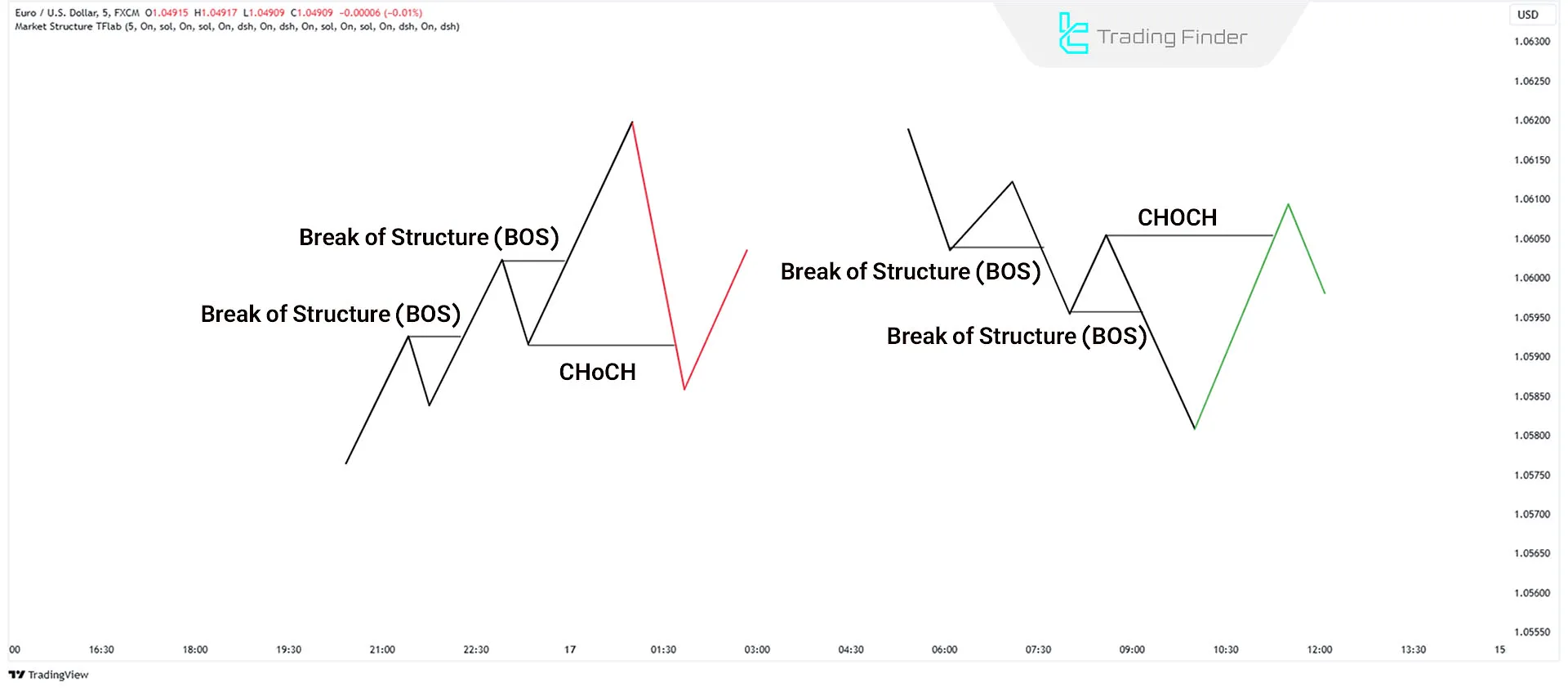
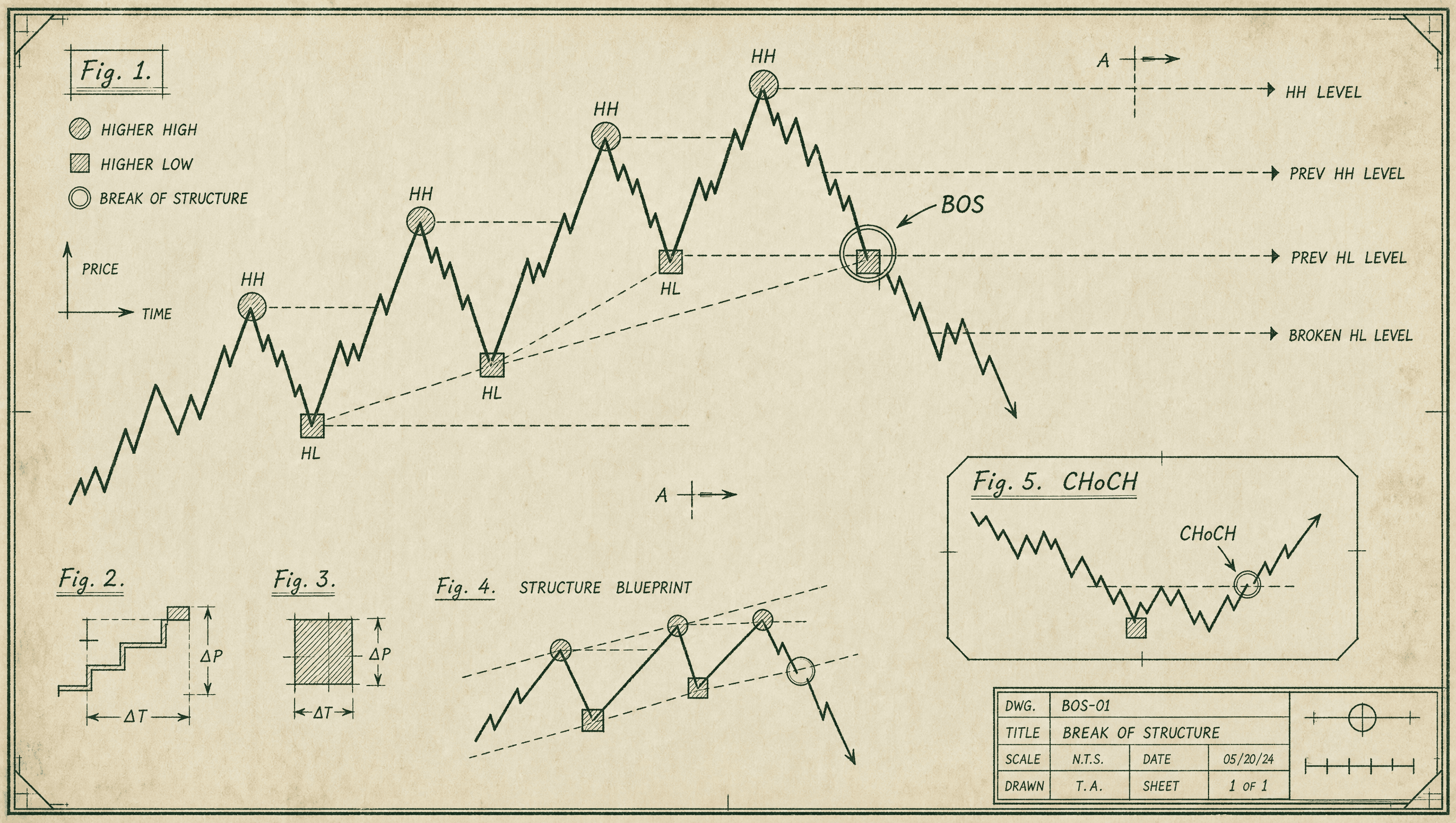
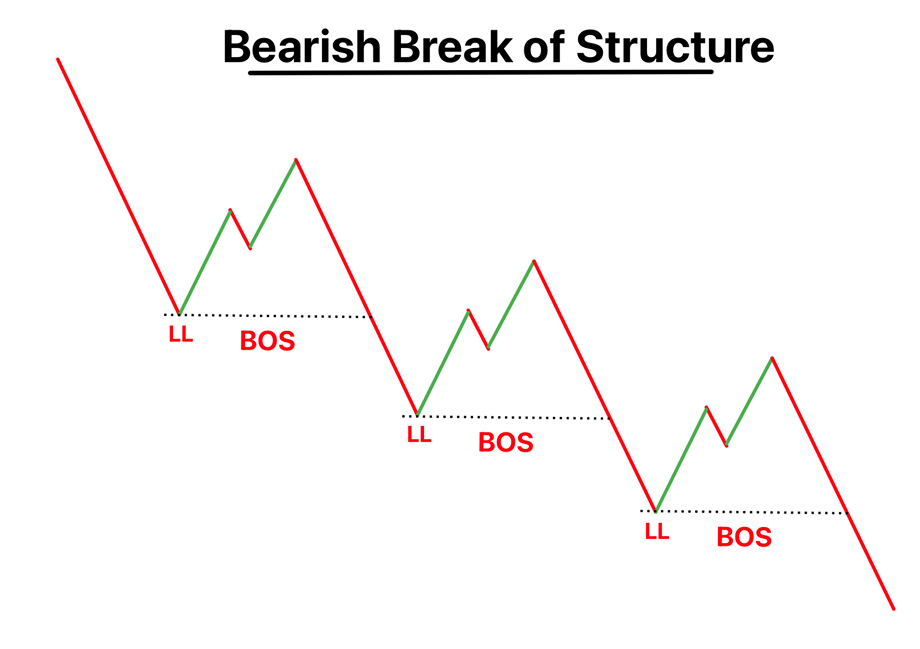
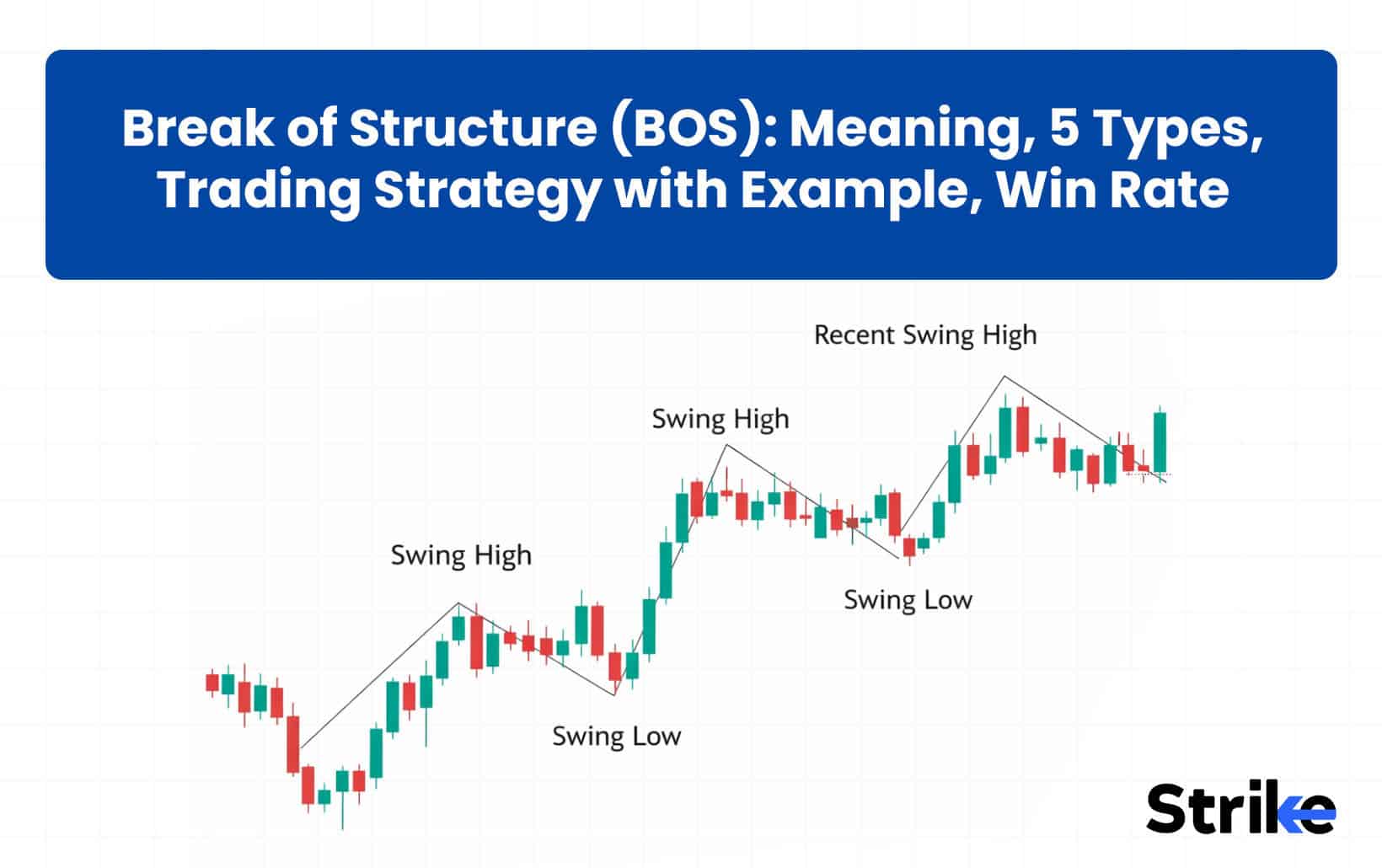
Use live charts to identify support and resistance levels. The BitcoinOS (BOS) token trades at roughly $0.00004, reflecting early-stage market dynamics. Monitor the NEAR price alongside BOS to understand broader ecosystem trends. A bullish break of structure (BOS) in price action confirms trend continuation, while a bearish signal warns of potential reversals.
Diversify your evaluation by comparing NEAR’s core token against specific BOS-based projects. Use a comparison table to weigh factors like market cap, liquidity, and tokenomics. High-stakes investing requires understanding the unique risks of each asset class within the decentralized stack.
Always cross-reference token prices with multiple sources like Kraken or Coinbase to ensure accuracy. The market moves fast, and relying on stale data can lead to poor entry and exit points. Stick to official sources and primary market data to make informed decisions.
Common Questions About NEAR BOS and Market Signals
The term "BOS" in crypto often causes confusion because it refers to two completely different things depending on the context. In technical analysis, Break of Structure (BOS) is a chart pattern indicating trend continuation. A bullish BOS occurs when price breaks a previous swing high, while a bearish BOS breaks a swing low. This is a neutral signal about price action, not a specific asset like NEAR.
Separately, some projects use "BOS" as an acronym for their platform, such as BitcoinOS, which aims to expand Bitcoin's functionality. This is unrelated to NEAR Protocol. When investors ask if "BOS" is bullish for NEAR, they are often conflating a general trading signal with the specific infrastructure of the NEAR blockchain.
Why is NEAR Protocol gaining momentum?
NEAR's recent market activity is largely driven by its strategic positioning as infrastructure for AI agents and chain abstraction. The protocol is building tools that allow autonomous commerce and seamless interaction across different blockchains. This focus on utility, rather than just speculation, is attracting developers and institutional interest.
Is NEAR a good investment?
NEAR offers robust technical infrastructure, including sharding for scalability and user-friendly account structures. However, like all high-stakes assets, it carries significant volatility. Investors should evaluate its role in the AI and cross-chain narratives rather than relying on generic price predictions.
No comments yet. Be the first to share your thoughts!