what the near bos actually is
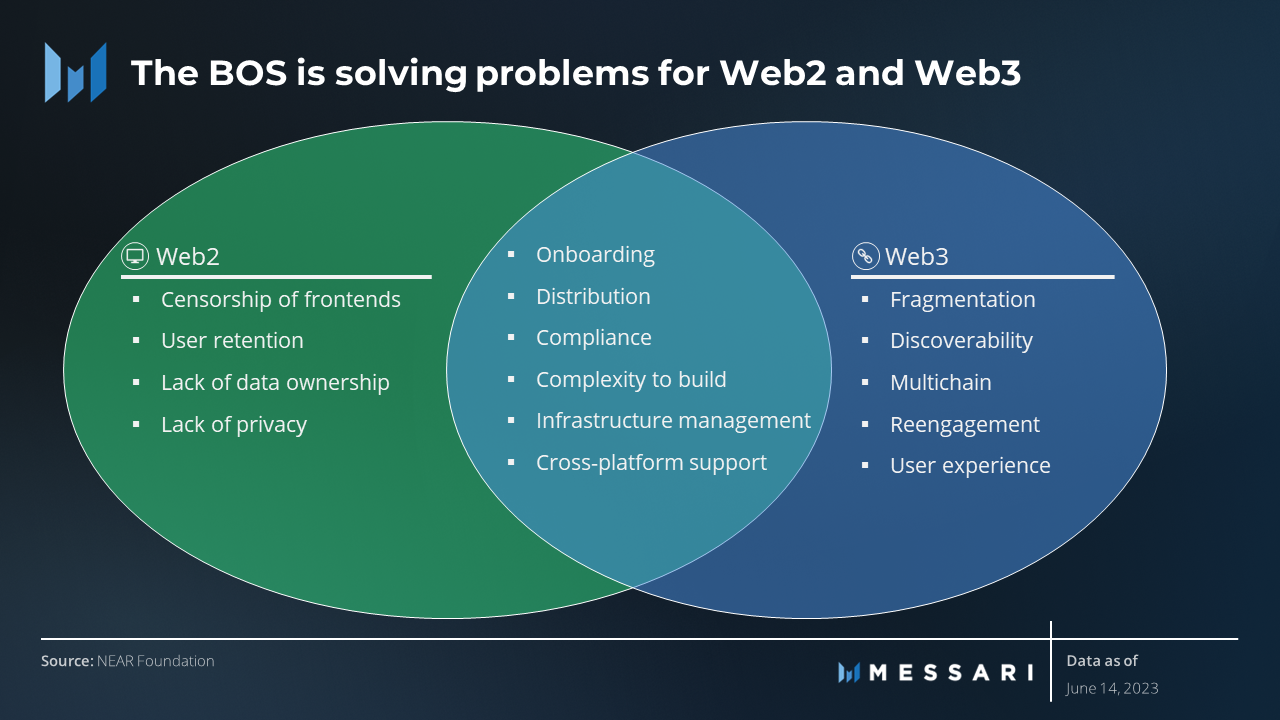
The NEAR BOS Crypto guide begins with a fundamental clarification: NEAR is not just a blockchain; it is a layered system. At its core sits NEAR Protocol, the Layer-1 infrastructure responsible for security, consensus, and data availability. Built on the NEAR Protocol, the BOS (Blockchain Operating System) is the frontend and user experience layer that makes the network accessible. This distinction is critical for understanding the platform's architecture and its potential for mass adoption.
Think of NEAR Protocol as the engine of a car and the BOS as the dashboard, steering wheel, and interface. The engine provides the raw power and reliability, but without the interface, the user has no way to interact with it. The BOS transforms the complex backend of blockchain technology into a usable environment. It serves as the bridge between traditional web users and the decentralized web, handling identity, trust, and data presentation.
This separation allows for greater flexibility and innovation. Developers can build decentralized applications (dApps) that leverage NEAR's high-throughput sharding and EVM compatibility while using the BOS to create seamless, web-like experiences. The BOS facilitates the "Open Web" by creating a unified layer where users can discover and interact with various applications without navigating the fragmented landscape of traditional crypto wallets and bridges. As NEAR.org describes it, AI serves as the front end to interface with users, while the blockchain acts as the backend to handle identity and data. This architecture positions the NEAR BOS Crypto ecosystem as a comprehensive operating system for the next generation of internet applications.
Key infrastructure components to track
The NEAR BOS Crypto guide focuses on three technical pillars that define the network's utility: Nightshade sharding, the Aurora EVM, and the NEAR AI integration. These components work together to solve the scalability and usability bottlenecks that have historically limited blockchain adoption.
Nightshade Sharding
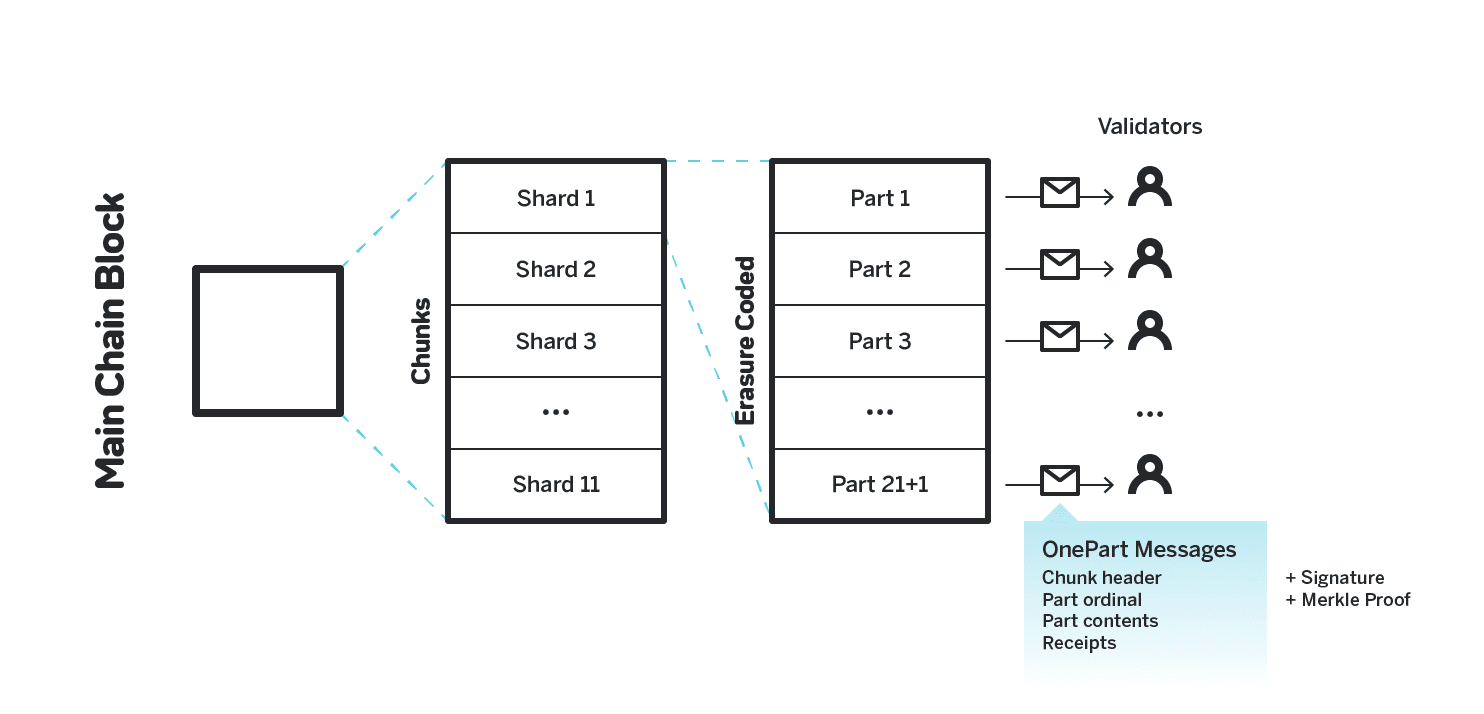
Nightshade is the core engine behind NEAR's throughput. Unlike traditional blockchains that process transactions sequentially, Nightshade shards the network, allowing multiple parts of the chain to process transactions in parallel. This architecture enables NEAR to scale linearly with demand, maintaining high speed and low fees even as user activity grows. It is the primary reason NEAR can support high-frequency applications without congestion.
Aurora EVM
Aurora serves as a fully EVM-compatible layer on top of NEAR. By bridging the NEAR ecosystem with the Ethereum Virtual Machine, Aurora allows developers to deploy existing Ethereum smart contracts and tools directly onto NEAR without rewriting code. This compatibility lowers the barrier to entry for Ethereum developers, effectively expanding NEAR's developer base and liquidity while leveraging NEAR's superior sharding infrastructure.
NEAR AI
NEAR AI represents the convergence of decentralized storage and artificial intelligence. By providing a scalable, decentralized data layer, NEAR supports the massive data requirements of modern AI models. This infrastructure allows for the creation of AI-driven applications that are transparent and verifiable, moving beyond centralized cloud providers. It positions NEAR not just as a blockchain, but as a foundational layer for the next generation of decentralized AI services.
Market research tools for NEAR investors
Analyzing the NEAR ecosystem requires looking beyond simple price action. To understand the health of the Blockchain Operating System (BOS), you need to track on-chain activity and developer engagement. These metrics reveal whether the network is actually being used, not just traded.
Start with the official NEAR block explorer. It provides real-time data on transaction volume, active accounts, and block production speed. This is your baseline for network stability. If block times are consistent and transaction fees remain low, the infrastructure is functioning as intended. Look for spikes in daily active users, which often precede price movements during market cycles.
For deeper technical analysis, use a provider-backed chart to track NEAR's market performance alongside on-chain volume.
Next, evaluate ecosystem growth through Messari or similar research platforms. Focus on the number of deployed contracts and total value locked (TVL) in NEAR's DeFi protocols. A growing number of projects deploying on the EVM-compatible side of NEAR indicates strong developer adoption. This "BOS" narrative is about simplifying Web3 development; if fewer projects are building, the utility thesis weakens.
Use this checklist to verify your market research:
-
Check daily active addresses on the NEAR block explorer
-
Monitor transaction fees and block production consistency
-
Review TVL trends in NEAR-based DeFi protocols
-
Track new contract deployments on EVM-compatible NEAR
-
Compare NEAR volume against broader crypto market trends
NEAR price outlook and 2026 projections
The NEAR price outlook for 2026 hinges on two competing narratives: the steady adoption of its sharding infrastructure versus the broader market's reaction to institutional adoption. While some retail speculation suggests extreme targets, a grounded analysis of NEAR's technical roadmap—specifically its EVM compatibility and frontend layer optimizations—points to a more measured, yet significant, growth trajectory.
Current market sentiment is heavily influenced by the potential approval of a spot NEAR ETF and the successful deployment of its recent protocol upgrades. If these catalysts align, NEAR could capture substantial market share from legacy Layer-1 networks. However, investors must distinguish between speculative hype and fundamental value driven by actual network utility.
Below is a comparison of the two primary scenarios analysts are tracking for the 2026 cycle. These projections rely on on-chain data and historical volatility patterns rather than abstract sentiment.
| Scenario | Price Target | Key Driver | Primary Risk |
|---|---|---|---|
| Conservative | $9.50 | Steady sharding adoption and EVM integration | Regulatory headwinds or broader market stagnation |
| Bullish | $18.75 | Spot NEAR ETF approval and institutional inflows | Failure to maintain developer momentum vs. competitors |
To track real-time performance against these targets, use the live chart below. This widget provides provider-backed data, ensuring you are analyzing current market conditions rather than stale static prices.
Practical tools for NEAR ecosystem builders
Building on the NEAR BOS Crypto infrastructure requires a different toolkit than traditional Ethereum development. Because NEAR utilizes sharding and a frontend layer that abstracts account complexity, developers need tools that respect this distinct architecture. The ecosystem provides specialized resources for both smart contract creation and real-time market analysis.
For smart contract development, the NEAR CLI and standard SDKs are essential for deploying on the sharded network. These tools handle the unique account structures and cross-shard communication required for high-throughput applications. For market analysis, platforms like Messari provide institutional-grade data on NEAR's BOS status, allowing builders to track protocol health and ecosystem growth alongside their code.
Technical security and hardware isolation remain critical for any BOS Crypto builder. Securing private keys and testing contract logic in isolated environments prevents costly exploits on the mainnet. The following hardware options provide physical security for development keys and production wallets.


As an Amazon Associate, we may earn from qualifying purchases.
Common questions about NEAR BOS
Investors often look for clear price ceilings when evaluating the NEAR BOS Crypto guide, especially given the protocol's aggressive technical roadmap. While market sentiment fluctuates, the underlying infrastructure—specifically its sharding capabilities and EVM compatibility—provides a concrete basis for valuation models rather than speculative hype.
Can NEAR coin reach $100?
Reaching a $100 price point is highly unlikely in the near to medium term. Such a valuation would require NEAR to completely overtake established Layer-1 giants like Ethereum and Solana in total value locked and user adoption. Current market capitalization constraints make this target unrealistic over the next 5-7 years, regardless of bullish market cycles.
How high will NEAR go in 2026?
For 2026, price projections for NEAR range from a conservative $9.50 to a bullish $18.75. These estimates hinge on two critical factors: the potential approval of a spot NEAR ETF and the successful deployment of its recent sharding upgrades. If the frontend layer gains traction among developers seeking scalability, the upper end of this range becomes plausible.
What is the next big crypto to boom?
While many altcoins vie for attention, Solana and XRP currently show stronger momentum for significant future growth. This is driven by major network upgrades, increasing institutional interest, and broader ETF optimism. NEAR remains a strong contender due to its unique architecture, but it faces steeper competition for mainstream breakout status compared to these established players.
No comments yet. Be the first to share your thoughts!