What the NEAR BOS actually is
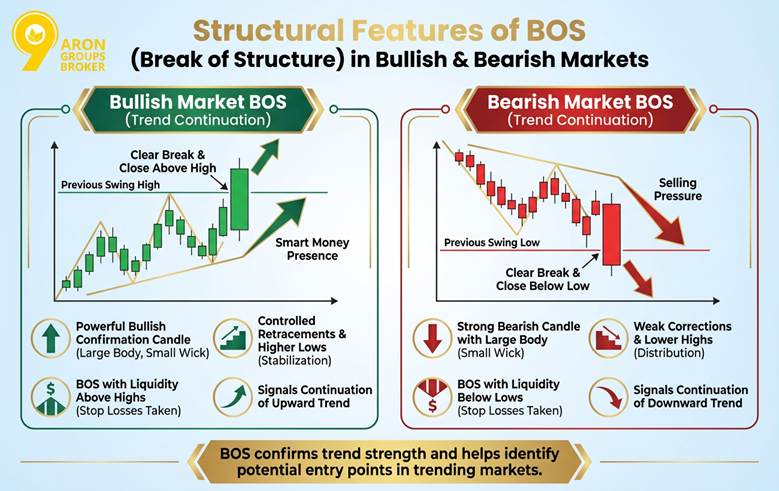
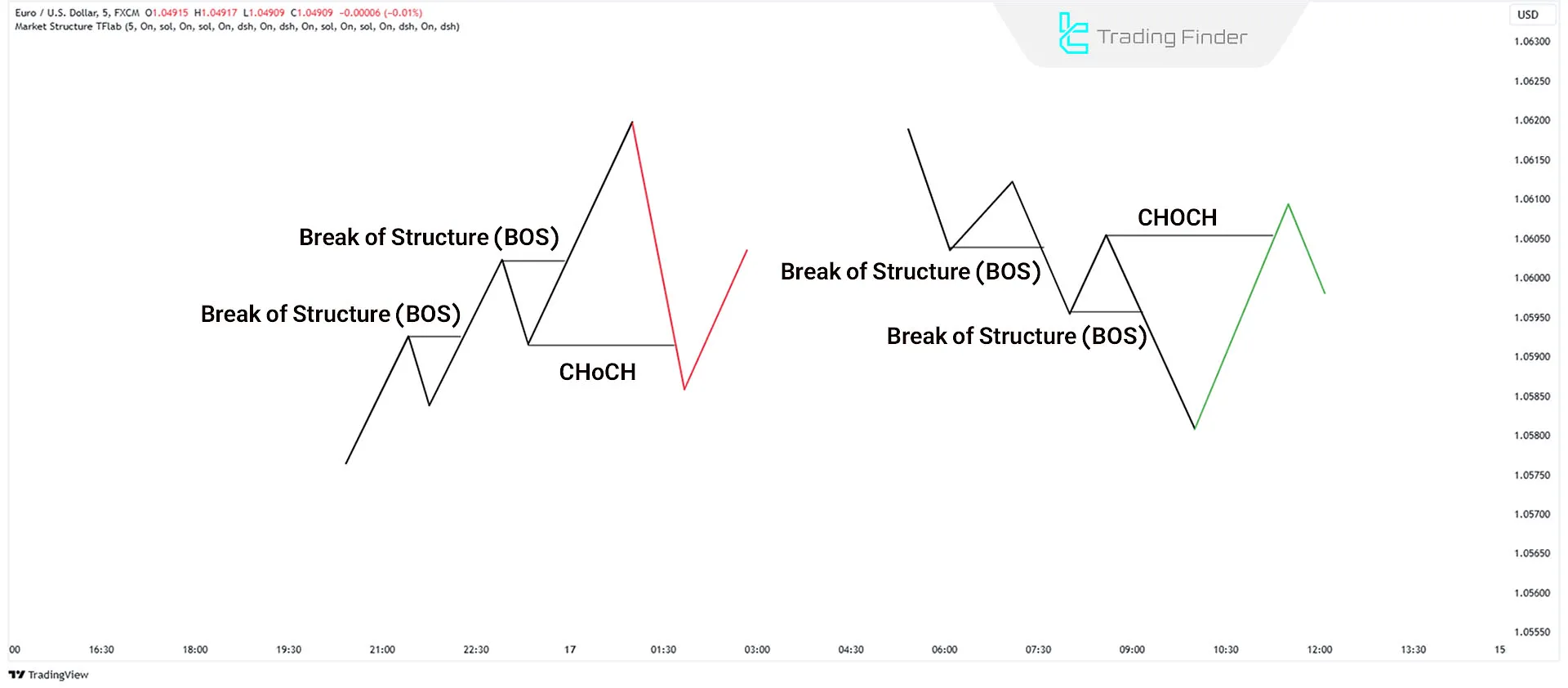
If you have been reading crypto analysis for more than a month, you have likely seen "BOS" in a trading context. In technical analysis, Break of Structure refers to price breaking a significant swing high or low, signaling a trend continuation. It is a purely mechanical signal used by traders to time entries and exits.
NEAR's Blockchain Operating System shares the acronym but has nothing to do with candlestick charts. It is a developer framework designed to make the fragmented world of Web3 easier to navigate. As NEAR describes it, the BOS is an "industry-first category" that serves as a common layer for browsing and discovering open web experiences across any blockchain NEAR.org.
The primary goal of NEAR BOS is to solve the discovery problem. Currently, finding decentralized applications (dApps) is difficult because they are siloed on specific chains. The BOS acts as a unified portal, allowing users to find and interact with apps regardless of the underlying blockchain technology. This approach aims to simplify decentralized development and lower the barrier to entry for mainstream adoption, positioning NEAR as a foundational layer for the open web Messari.
How NEAR Protocol and BOS Drive Real Adoption
NEAR Protocol is often compared to Ethereum, but its architecture tells a different story. It is a sharded, proof-of-stake layer-one blockchain designed specifically for real-world adoption rather than just speculative trading. The core mission is to solve the blockchain trilemma—balancing scalability, security, and decentralization—so that decentralized applications (dApps) can serve millions of users without the network choking on high fees or slow transactions.
This technical foundation is powered by NEAR BOS, or the Blockchain Operating System. While "BOS" in general trading slang often refers to a "Break of Structure" price signal, in the NEAR ecosystem, it is the infrastructure layer that makes building easy. Think of NEAR BOS as the operating system on your computer; it handles the heavy lifting of data availability and smart contract execution, allowing developers to focus on building user-friendly interfaces instead of wrestling with underlying code.
The result is a platform that prioritizes usability. By using Nightshade sharding, NEAR can process transactions in parallel, keeping costs low and speeds high. This infrastructure is what enables the "Blockchain Operating System" thesis: a seamless environment where developers can deploy applications that feel as fast and intuitive as traditional web apps, but with the security and transparency of blockchain technology.


As an Amazon Associate, we may earn from qualifying purchases.
Market data and price context
When you see "BOS" in crypto headlines, it usually refers to a trading pattern—Break of Structure—rather than a specific token. This distinction matters because NEAR Protocol is not the same asset as BitcoinOS (ticker: BOS), which trades as a separate, low-cap speculative coin on exchanges like Kraken and Binance. Confusing the two leads to inaccurate analysis, as their market dynamics, liquidity, and user bases are entirely different.
NEAR Protocol operates as a distinct Layer 1 blockchain focused on scalability and usability. Its market performance is driven by developer activity, dApp adoption, and network upgrades, not by short-term chart patterns alone. To understand NEAR's current position, we look at its live price action and volume, which reflect genuine market sentiment rather than the noise surrounding similarly named assets.
The widget below provides real-time data for NEAR. Use this to gauge immediate price levels, but remember that long-term value depends on the protocol's infrastructure progress, not just daily volatility.
Tools and Strategies for Web3 Growth
The NEAR Blockchain Operating System (BOS) is more than just a backend; it is a complete framework designed for creating, testing, and distributing decentralized application frontends [src-serp-8]. While the acronym "BOS" often appears in trading discussions as "Break of Structure"—a technical signal indicating trend continuation [src-serp-3]—in the NEAR ecosystem, it refers to the infrastructure layer that simplifies Web3 development.
Developers can leverage this system to build user interfaces that interact seamlessly with NEAR smart contracts. By using the BOS, teams can focus on user experience rather than wrestling with complex blockchain integrations. This approach lowers the barrier to entry for new users, making dApps feel as intuitive as traditional web applications.
For investors and builders, understanding this distinction is critical. The BOS provides the tools to scale applications that can serve millions of users without the latency or cost issues common in other chains [src-serp-2]. It transforms the blockchain from a raw ledger into an accessible operating system for the next generation of internet applications.
To see how this framework compares to traditional Web2 frontend development, consider the following breakdown of capabilities:
| Feature | Web2 Frontend | NEAR BOS |
|---|---|---|
| Data Source | Centralized API | Decentralized Smart Contracts |
| Authentication | Email/Password | Wallet-Based (NEAR Account) |
| Deployment | Cloud Server | IPFS/Arweave (Decentralized) |
| User Identity | Platform Account | Self-Custodied Wallet |
Frequently asked questions about NEAR BOS
The acronym "BOS" carries different weights depending on whether you are looking at the NEAR ecosystem or general market charts. Here is how the terms break down for developers and traders.
For investors tracking NEAR Protocol, it is important to distinguish between the NEAR BOS infrastructure and BOS trading metrics. The former is the platform building the open web on NEAR; the latter is a pattern traders watch on price charts. Always verify which context is being discussed to avoid confusing platform development with market sentiment.
No comments yet. Be the first to share your thoughts!