What the NEAR Blockchain Operating System Is
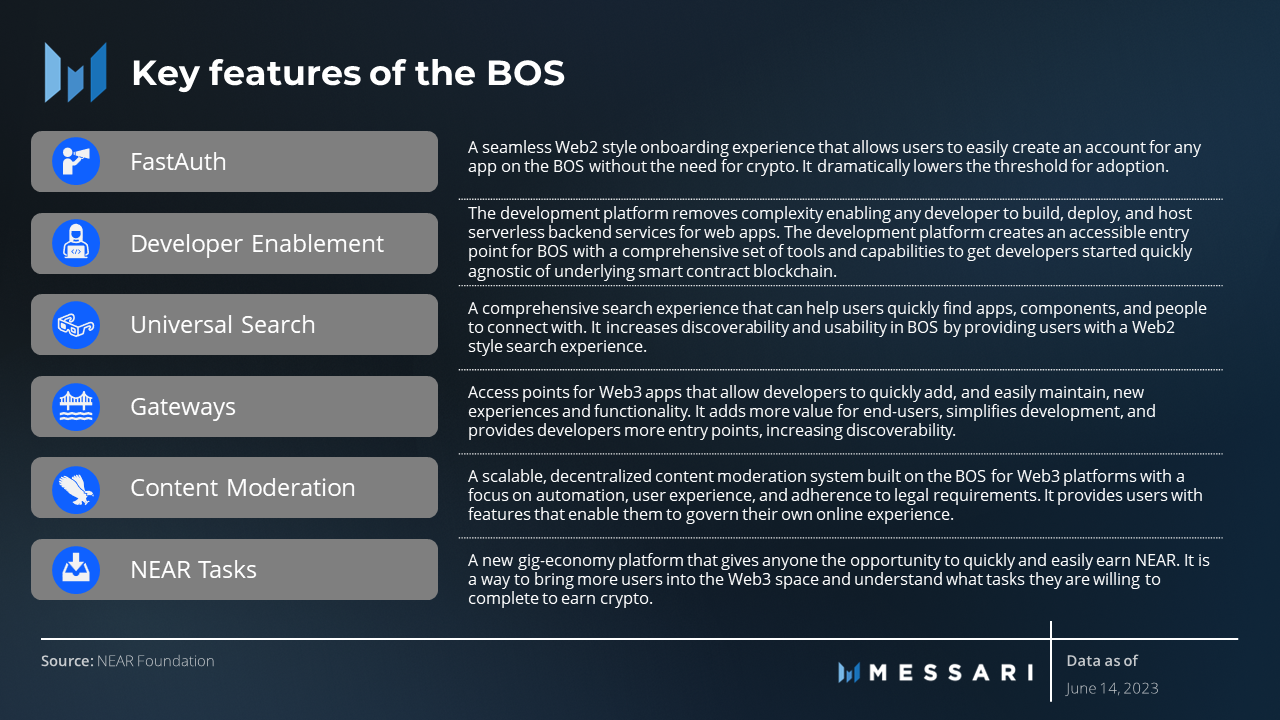
The NEAR Blockchain Operating System (BOS) is the infrastructure layer that unifies liquidity across more than 35 chains and simplifies frontend development. It allows developers to create, deploy, and store frontends in a secure, decentralized way for any protocol on any chain. This approach eliminates the fragmentation that typically slows down cross-chain interaction.
Think of BOS as the kernel of a computer, but for the blockchain. Just as an operating system manages hardware resources so applications can run smoothly, BOS manages the complex web of different blockchains. It provides a unified environment where data and liquidity flow freely, regardless of which chain a user or application starts on.
This unification is critical for the agent economy. By keeping execution and inference confidential while maintaining open infrastructure, NEAR enables agents to operate efficiently across a vast ecosystem. Developers can build once and reach users everywhere, rather than rebuilding interfaces for every new chain that launches.
The result is a more cohesive network where tools and data are accessible without the usual friction. This foundation supports the high-stakes financial decisions and complex interactions that define the modern crypto landscape.
Key Infrastructure Components
NEAR BOS functions as a blockchain operating system by providing a modular stack that separates frontend logic from backend state. For builders, this means you are no longer tethered to a single monolithic chain for your user interface. Instead, you compose applications using three distinct layers: Gateways, Components, and Blockchains. This separation allows for composable frontends that can pull data from multiple sources while maintaining a unified user experience.
Gateways and Data Access
Gateways act as the entry point for your application, handling authentication, session management, and data indexing. They bridge the gap between the traditional web and the blockchain, allowing developers to use familiar web technologies like React or Next.js without worrying about low-level RPC calls. By offloading heavy data processing to the gateway layer, your frontend remains lightweight and responsive. This architecture ensures that users interact with a seamless interface, even when the underlying data is distributed across different shards or networks.
Reusable Components
At the heart of BOS is a library of reusable smart contract components. These are not just UI widgets; they are verified, on-chain contracts that handle complex logic such as token standards, voting mechanisms, or marketplace rules. Because these components are standardized, you can drop them into your project without rewriting code or auditing security from scratch. This modularity accelerates development time significantly. You can mix and match these building blocks to create unique applications, knowing that the core logic has been tested and proven within the NEAR ecosystem.
Composable Blockchains
The final layer involves connecting your frontend to the appropriate blockchain infrastructure. BOS allows you to interact with multiple blockchains simultaneously, abstracting away the complexity of cross-chain communication. Whether you are pulling data from NEAR’s mainnet or integrating with sidechains, the framework handles the synchronization. This composability is critical for modern dApps that need to leverage the strengths of different networks without fragmenting their user base. It creates a flexible environment where your application can evolve as the underlying infrastructure changes.
BOS vs. Traditional Hosting
To understand the shift, it helps to compare this new infrastructure with standard web hosting models.
| Feature | Traditional Web2 | NEAR BOS |
|---|---|---|
| Data Storage | Centralized servers | Decentralized shards |
| Frontend Logic | Static or server-rendered | Composable smart contracts |
| Auth & Sessions | Custom OAuth implementations | Built-in gateway abstraction |
| Censorship Resistance | Low (host-dependent) | High (chain-dependent) |
NEAR as the Currency of Agents
NEAR is positioning itself as the foundational layer for the agent economy, moving beyond simple transactional utility to become the operational backbone for autonomous digital entities. This shift reframes NEAR not just as a token for speculation, but as the necessary infrastructure for machine-to-machine interaction at scale.
The Blockchain Operating System (BOS) unifies liquidity across more than 35 chains, creating a seamless environment where agents can operate without friction. By keeping execution and inference confidential, NEAR addresses a critical barrier for enterprise and high-value agent adoption: data privacy. This infrastructure allows agents to perform complex, sensitive tasks without exposing proprietary logic or user data to public view.
This architectural advantage directly influences market value. As the demand for autonomous AI agents grows, the need for a secure, unified, and scalable blockchain increases. NEAR’s focus on this specific niche creates a distinct value proposition compared to general-purpose layer-1s. The market is beginning to price in this utility, recognizing that the "currency of agents" must support high-throughput, low-latency, and privacy-preserving operations.
To understand the current market sentiment, we can look at real-time price action and technical indicators. The following chart provides a view of NEAR's recent performance, reflecting how the market is evaluating this infrastructure narrative.
The integration of the BOS simplifies decentralized development, potentially accelerating user adoption. As more developers build agent-centric applications on NEAR, the network effect strengthens, further solidifying its position in the Web3 landscape. This is not just about technology; it is about creating an ecosystem where digital agents can thrive, driving sustained demand for the NEAR token.
Secure NEAR Assets with Hardware Wallets
Protecting your NEAR holdings requires moving keys off the internet. Hardware wallets store private keys in a secure element, keeping them isolated from phishing attacks and malware. This is the standard for anyone holding significant value.
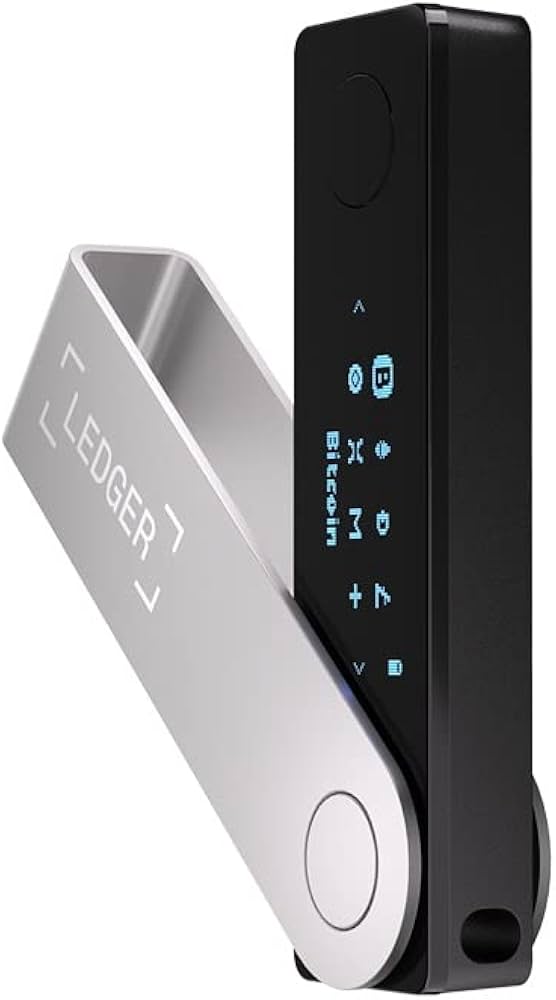
The NEAR ecosystem integrates well with major hardware providers. Ledger and Trezor devices allow you to sign transactions directly, ensuring your seed phrase never touches your computer or phone screen.
Choose devices that explicitly support NEAR or generic ERC-20 standards if you hold wrapped versions. Always verify the vendor's reputation and purchase directly from the manufacturer to avoid tampered supply chains.

As an Amazon Associate, we may earn from qualifying purchases.
Strategic checklist for NEAR ecosystem entry
Entering the NEAR BOS requires a disciplined workflow. The ecosystem moves fast, and distinguishing between speculative noise and functional infrastructure is the primary hurdle. Use this step-by-step verification list to evaluate projects before committing capital or attention.
Start at near.org. Only trust documentation, governance proposals, and official announcements from the NEAR Foundation. If a project’s whitepaper or technical specs are hosted on a random domain, treat it as a red flag rather than a feature.

Check if the project uses NEAR’s standard smart contract interfaces. Legitimate BOS projects integrate cleanly with the NEAR runtime. Look for verified deployments on NEAR Explorer rather than relying on the project’s marketing site for proof of code.
Review the token’s distribution and liquidity pools. Use provider-backed tools to check real-time volume. Avoid projects with concentrated holdings or illiquid pools that cannot sustain trading volume during market shifts.
The BOS is defined by its frontend layer. Interact with the dApp’s user interface. If the frontend is broken, slow, or disconnected from the backend, the project is not ready for serious use. A functional BOS project must offer a seamless user experience.
No comments yet. Be the first to share your thoughts!