What is the NEAR Blockchain Operating System?
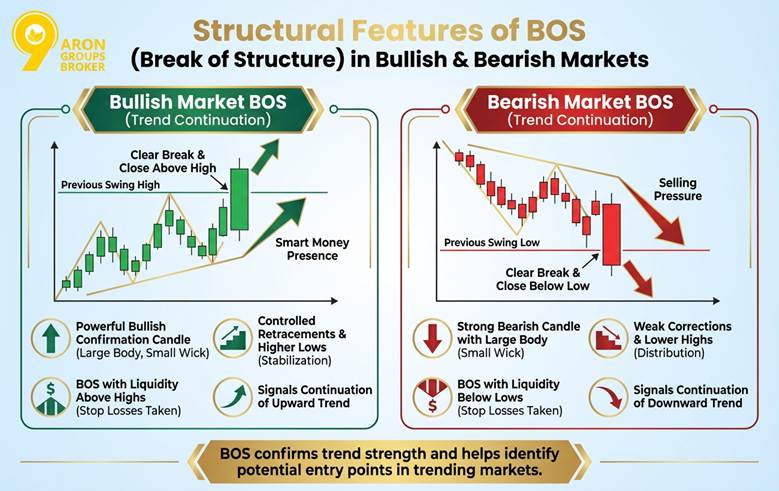
The term "BOS" in the crypto space often causes confusion because it carries two very different meanings. In technical trading, a Break of Structure (BOS) signals trend continuation. However, within the NEAR ecosystem, the Blockchain Operating System refers to something entirely different: a unified interface and development framework that sits on top of the NEAR Protocol blockchain.
Think of the NEAR Protocol as the underlying infrastructure—the engine, the roads, and the power grid that keeps decentralized applications running. The Blockchain Operating System is the dashboard and steering wheel. It provides a common layer for browsing, discovering, and interacting with open web experiences across any compatible blockchain. By abstracting away the complexity of wallets, gas fees, and network selection, BOS makes the decentralized web feel as intuitive as the traditional internet.
For developers, this distinction is critical. NEAR BOS is a complete framework designed for creating, testing, deploying, and distributing decentralized application frontends. It allows builders to focus on user experience rather than wrestling with fragmented blockchain standards. This separation of concerns ensures that the underlying NEAR Protocol can handle scalability and security, while the BOS layer handles usability and discovery.
This architectural clarity is why NEAR BOS Crypto Analysis often highlights its potential to onboard mainstream users. By providing a seamless entry point into the Web3 world, it transforms how people interact with digital assets and decentralized services. The technology aims to make blockchain invisible to the end-user, allowing them to focus on the value they are creating or consuming.
How BOS Simplifies Web3 Development
NEAR BOS Crypto Analysis reveals that the Blockchain Operating System is essentially a frontend infrastructure layer. Think of it as a component library for the decentralized web. Instead of building every dApp from scratch, developers can reuse UI components that are already deployed on-chain. This approach drastically reduces the friction of building in Web3.
The technical advantage lies in the "write once, deploy anywhere" capability. Developers create a component once, and it can be embedded into any NEAR-based application. This means less code duplication and faster iteration cycles. It’s similar to how React components work in traditional web development, but with the added benefit of on-chain persistence and composability.
This simplicity extends to deployment. There is no need to manage complex server configurations or database migrations for the frontend. The component lives on the blockchain, ensuring it remains available and immutable. This lowers the barrier to entry for developers who might be new to blockchain technology.
To understand the impact, consider how traditional web development compares to this new paradigm. The table below highlights the key differences in development workflow and maintenance.
| Feature | Traditional Web | NEAR BOS |
|---|---|---|
| Deployment | Server-side hosting | On-chain component |
| Reusability | Limited by frameworks | Universal across apps |
| Maintenance | Server updates required | Immutable once deployed |
By treating the frontend as a first-class citizen on the blockchain, NEAR is making Web3 development more accessible. This shift allows developers to focus on logic and user experience rather than infrastructure headaches. As the ecosystem grows, this composability will likely become a standard for building scalable dApps.
NEAR BOS Market Research and Price Context
When searching for "NEAR BOS," you will immediately encounter a confusing mix of results. In the crypto world, BOS is a common technical analysis term standing for "Break of Structure," referring to price trends rather than a specific token. Additionally, several obscure projects use the BOS ticker, such as BitcoinOS, which trades at a fraction of a cent on smaller exchanges.
NEAR Protocol, however, is the primary asset developers and investors are analyzing when they reference the NEAR BOS crypto narrative. This distinction is critical because NEAR is a Layer 1 blockchain designed for scalability and usability, not a speculative meme coin or a minor trading signal. Confusing the two can lead to significant errors in market research and portfolio management.
To get accurate data, you must look at NEAR's performance on major platforms like Kraken or CoinMarketCap, rather than aggregators listing smaller BOS tokens. The NEAR ecosystem focuses on solving the blockchain trilemma through sharding, making its market dynamics distinct from the broader, often volatile, altcoin market.
The current market price of NEAR reflects its position as a foundational infrastructure layer. Unlike the fragmented BOS tokens seen on niche exchanges, NEAR maintains deep liquidity and consistent trading volume across top-tier platforms. This stability is a direct result of its active developer community and real-world application usage.
When analyzing the NEAR BOS crypto landscape, focus on NEAR's technical adoption metrics rather than short-term price fluctuations. The project's ability to scale dApps efficiently provides a fundamental value proposition that distinguishes it from assets relying solely on speculative trading patterns. For the most reliable price data, always refer to official sources like NEAR.org or established financial data providers like Messari.
Strategic Tools for NEAR Ecosystem Growth
The NEAR Blockchain Operating System (BOS) isn't just a concept; it's a practical toolkit for building and interacting with decentralized applications. By treating the blockchain like a traditional operating system, NEAR allows developers to compose complex features from reusable components, much like building with Lego blocks. For users, this means a smoother experience where the underlying complexity is hidden behind intuitive interfaces.
To engage with this ecosystem, you need the right infrastructure. The NEAR Foundation provides comprehensive documentation and case studies that walk you through building on BOS, ensuring that both new and experienced developers can leverage its modular architecture effectively. This approach lowers the barrier to entry, allowing teams to focus on innovation rather than reinventing the wheel for basic blockchain interactions.
For those interested in the technical side, the BOS enables a composability that is rare in Web3. Developers can plug in existing widgets for wallets, payments, or data storage, accelerating time-to-market. This strategic layer is what transforms NEAR from a mere ledger into a full-fledged platform for scalable dApps.
If you are looking to secure your assets or set up a development environment, hardware wallets and secure key management tools are essential first steps. These physical devices provide an offline layer of security, protecting your NEAR tokens and private keys from online threats. Choosing reputable gear ensures that your interaction with the BOS remains safe and private.



As an Amazon Associate, we may earn from qualifying purchases.
Common Questions About NEAR BOS
The acronym "BOS" means different things depending on which side of the crypto ecosystem you are on. For traders, it refers to market structure. For the NEAR community, it refers to the infrastructure. Here is how to tell the difference and what NEAR actually does.
What does BOS mean in crypto?
In technical analysis, BOS stands for Break of Structure. It is a signal that price has broken a significant swing high or low, confirming the direction of the current trend. This is a trading concept, not a token feature.
NEAR Protocol also uses the term BOS, but it stands for the Blockchain Operating System. This is a specific layer built on NEAR that allows developers to build and discover open web experiences across multiple chains. It is an infrastructure tool, not a market indicator.
What does the NEAR crypto do?
NEAR Protocol is a layer-1 blockchain designed to solve the scalability, security, and decentralization trilemma. Its core utility is providing a platform where decentralized applications (dApps) can scale to serve millions of users without high costs or slow performance.
The network uses a sharding mechanism called Nightshade to process transactions in parallel. This allows NEAR to handle high throughput while keeping transaction fees low for everyday users. The native NEAR token is used to pay for these transactions and secure the network through staking.
Is BOS a bullish or bearish signal?
This question usually applies to the trading definition of BOS. A Bullish BOS occurs when buyers push price above a previous higher high, suggesting upward momentum. A Bearish BOS happens when sellers drive price below a previous lower low, indicating downward pressure.
These signals are based on chart patterns and do not directly relate to the NEAR BOS infrastructure. When analyzing NEAR’s price action, look for these break of structure patterns to gauge market sentiment, but remember that the NEAR BOS is a developer tool for cross-chain interoperability.
No comments yet. Be the first to share your thoughts!