What the NEAR BOS actually is
The Blockchain Operating System, or NEAR BOS, is not another Layer 1 blockchain competing for block space. Instead, it functions as a distinct category: a common layer for browsing and discovering open web experiences that sit on top of existing blockchains. Think of the NEAR Protocol as the hardware—the chips and wires—while the BOS is the operating system interface that lets users interact with decentralized applications.
This distinction matters for developers and investors analyzing NEAR BOS crypto trends. The BOS is an industry-first framework designed for creating, testing, and distributing frontend experiences. It allows developers to build user interfaces that can pull data from any compatible blockchain, solving the fragmentation problem that has long plagued the Web3 space.
By treating blockchain infrastructure as a platform rather than just a ledger, the BOS aims to make decentralized apps as easy to find and use as websites on the traditional internet. This approach shifts the focus from mere transaction processing to creating a cohesive, discoverable ecosystem for open web experiences.
Key infrastructure components for builders
The NEAR BOS (Blockchain Operating System) is not just a framework; it is a structural shift in how decentralized applications are assembled. Think of it as a component library for the decentralized web, where developers can drag, drop, and configure pre-built primitives rather than writing boilerplate code from scratch. This approach mirrors the efficiency of modern web development, allowing teams to move from concept to deployed frontend in hours instead of weeks.
At the heart of this infrastructure is the AppChain concept. Instead of forcing every application to run as a monolithic entity on a single chain, NEAR allows developers to spin up dedicated, lightweight chains for specific use cases. These AppChains inherit NEAR’s security and sharding capabilities but offer isolated performance. For a gaming studio or a DeFi protocol, this means you can tailor consensus and storage parameters to your exact needs without compromising on the underlying network’s reliability.
The component library itself is the engine that drives this speed. It provides standardized interfaces for identity, payments, and data storage, ensuring that different parts of your application speak the same language. This interoperability reduces the friction typically associated with cross-chain communication and smart contract integration. By abstracting away the complex cryptographic underpinnings, NEAR BOS allows developers to focus on user experience and product logic.
For NEAR BOS Crypto analysis, understanding these building blocks is essential. The infrastructure is designed to scale with demand, leveraging Nightshade sharding to handle high throughput. This means that as your user base grows, the underlying components don’t become bottlenecks. The result is a development environment that feels familiar to traditional web developers while retaining the full power and decentralization of blockchain technology.
Strategic advantages for Web3 adoption
The market thesis behind NEAR BOS Crypto analysis rests on a simple premise: blockchain needs to feel like the internet, not a separate universe. Traditional Web3 development has been hamstrung by fragmented tooling, complex gas models, and steep learning curves that keep average users on the sidelines. NEAR Protocol addresses this by positioning itself not just as a layer-one blockchain, but as a Blockchain Operating System (BOS). This shift from infrastructure to platform lowers the barrier to entry for both developers and end-users, creating the conditions for the next wave of mass adoption.
To understand the strategic advantage, it helps to compare the traditional development workflow with the NEAR BOS approach. The table below highlights how the BOS model simplifies the stack, reducing friction in areas that historically stalled Web3 growth.
| Feature | Traditional Web3 | NEAR BOS Workflow |
|---|---|---|
| User Onboarding | Seed phrases, gas tokens, wallet setup | Social login, account abstraction, fiat on-ramps |
| Development Stack | Fragmented libraries, complex smart contracts | Unified SDK, pre-built components, NEAR Connect |
| Transaction Costs | Unpredictable gas fees, high volatility | Fixed low fees, predictable pricing models |
| Data Storage | Expensive on-chain storage, IPFS complexity | Integrated NEAR Storage, scalable data layers |
This structural simplification is the core of the NEAR BOS Crypto analysis narrative. By abstracting away the technical debt of crypto, the BOS allows developers to focus on building user experiences rather than debugging transaction failures. As noted in recent market reports, this approach has the potential to revolutionize Web3 by making decentralized applications indistinguishable from their centralized counterparts in terms of ease of use. The result is a more inviting environment where adoption is driven by utility, not speculation.
The strategic advantage extends beyond code. For investors and developers, the BOS represents a move toward sustainable Web3 growth. When the friction of entry is removed, the total addressable market expands from crypto-natives to the broader internet population. This is not just about faster transactions; it is about creating a seamless bridge between the old web and the new. The BOS model provides the operating system layer that makes this bridge possible, turning Web3 from a niche experiment into a viable alternative for everyday digital interaction.
Market context and price action analysis
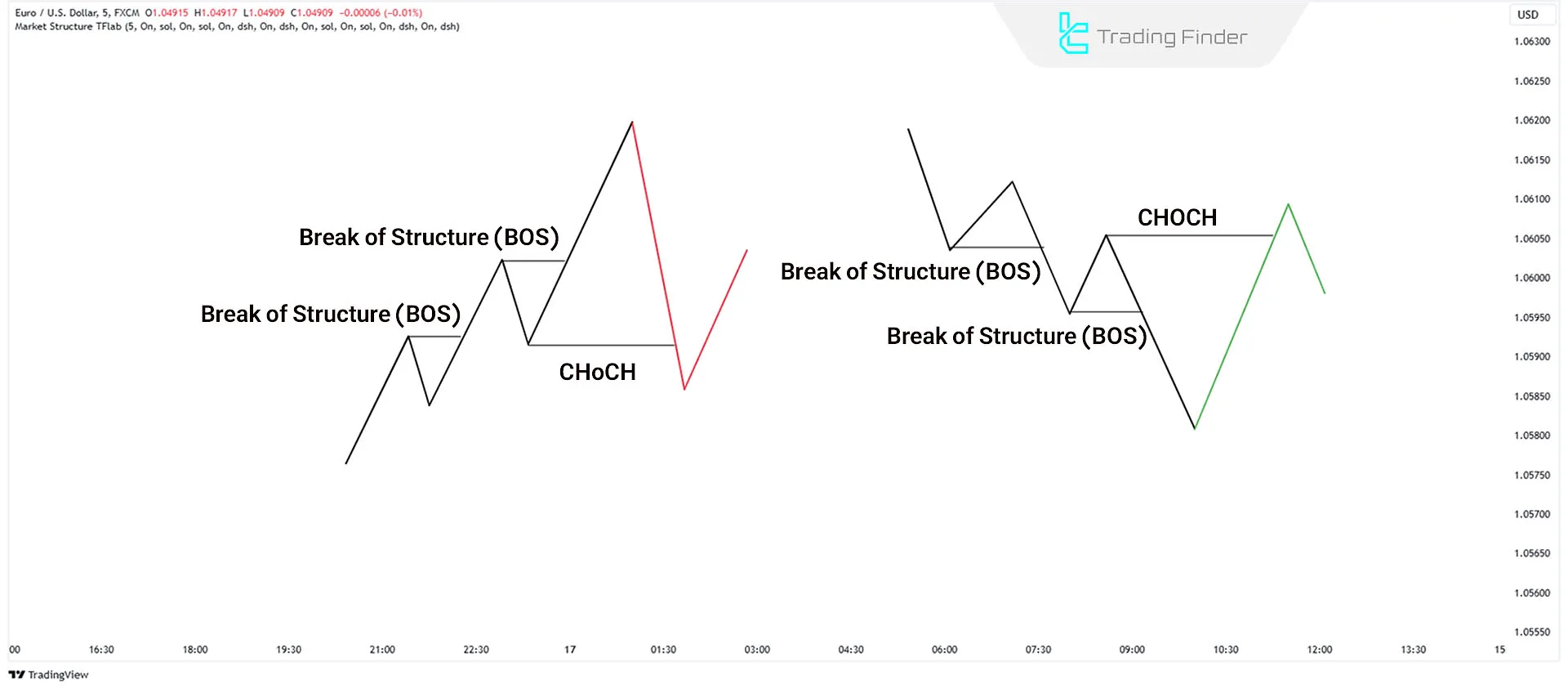
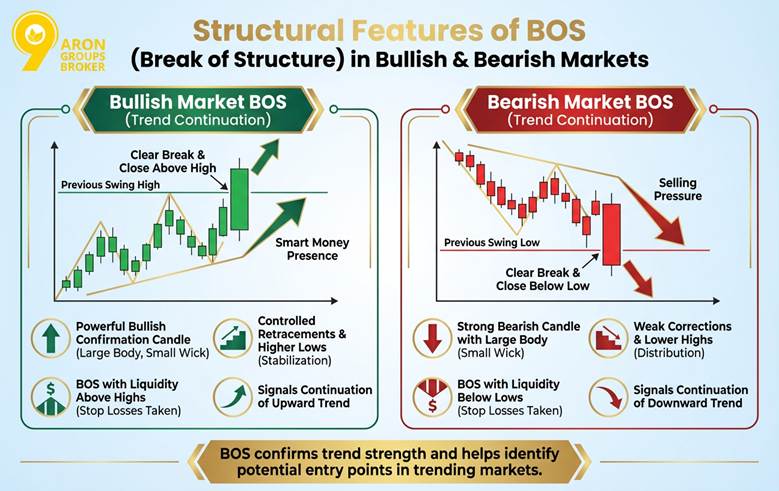
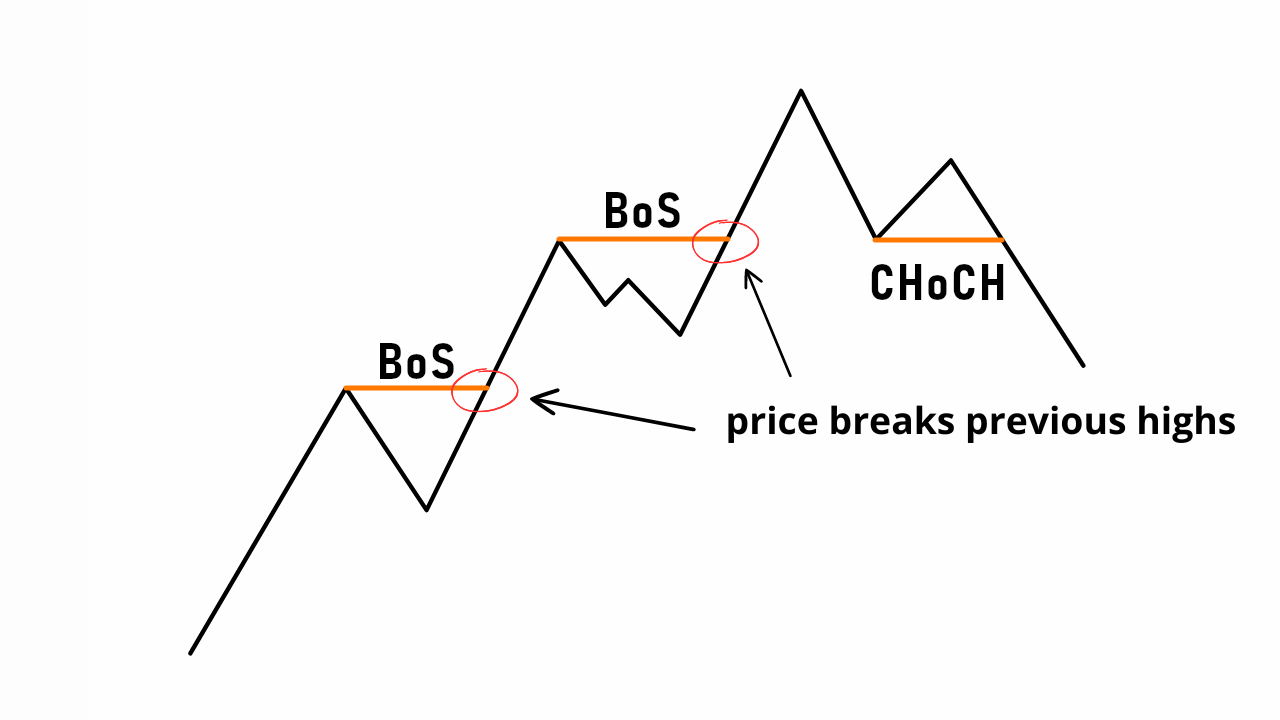
When analyzing NEAR BOS crypto, it is essential to distinguish between the underlying protocol and the technical trading signals it generates. NEAR Protocol functions as a high-performance blockchain layer, but in the context of market analysis, "BOS" refers to a Break of Structure—a specific price action pattern that indicates a shift in market momentum.
A Break of Structure occurs when the price breaks a significant swing high in an uptrend or a swing low in a downtrend. This pattern helps traders identify the continuation of a trend. For NEAR, observing these structures provides clarity on whether buyers or sellers currently control the market narrative, separating technical noise from genuine directional moves.
To ground this analysis in real-time data, we use provider-backed widgets that reflect current market conditions rather than static snapshots. The following chart illustrates the recent market structure for NEAR against USDT, highlighting key support and resistance levels where BOS patterns often emerge.
The live price widget below provides the current valuation, allowing you to correlate the technical structure with immediate market sentiment. This combination of structural analysis and live data offers a precise view of NEAR's current financial health.
Essential tools for NEAR development
Building on the Blockchain Operating System (BOS) requires a specific toolkit that bridges traditional web development with blockchain infrastructure. The BOS acts as a unified framework for creating, testing, and deploying decentralized application frontends, treating the blockchain as a compute layer rather than just a database. This approach allows developers to use familiar web technologies while leveraging NEAR’s high-speed, low-cost transactions.
The NEAR Developer Portal serves as the central hub for documentation, SDKs, and interactive tutorials. It provides the foundational knowledge needed to understand how smart contracts interact with the BOS environment. For those preferring visual learning, the NEAR Foundation offers case study videos that walk through the architecture of BOS-based applications, demonstrating how to structure projects for scalability and user experience.
To streamline the development workflow, tools like near-cli and the NEAR Wallet are indispensable. The command-line interface allows for rapid contract deployment and account management, while the wallet integration ensures seamless user authentication. These tools reduce the friction often associated with Web3 onboarding, making the development process more akin to standard software engineering. For hardware security, developers should also consider dedicated wallets to manage private keys safely during the development and testing phases.


As an Amazon Associate, we may earn from qualifying purchases.
Frequently asked questions about NEAR BOS
The term "BOS" often causes confusion because it appears in two very different contexts within the crypto space. Understanding the distinction is essential for accurate NEAR BOS crypto analysis, as one refers to technical charting and the other to NEAR's core infrastructure.
What does BOS mean in crypto?
In general trading and technical analysis, BOS stands for "Break of Structure." It describes a price action pattern where the market breaks a significant swing high or low, signaling a continuation of the current trend. For example, a bullish BOS occurs when buyers push the price above a previous higher high, confirming upward momentum. This definition is unrelated to NEAR Protocol and is standard terminology across all asset classes.
What does the NEAR BOS refer to?
Within the NEAR ecosystem, BOS stands for the Blockchain Operating System. It is a common layer designed for browsing and discovering open web experiences across compatible blockchains. Rather than a trading signal, it serves as the foundational infrastructure that allows developers to build and deploy decentralized applications (dApps) with a unified user interface and asset management system.
What does NEAR Protocol do?
NEAR Protocol was built to solve the blockchain trilemma by balancing scalability, security, and decentralization. Its primary utility is providing a platform where dApps can scale to serve millions of users without compromising performance or cost. By offering high throughput and low fees, NEAR enables developers to create complex applications that would be impractical on more congested networks, making it a strong candidate for serious NEAR BOS crypto analysis of web3 development trends.
No comments yet. Be the first to share your thoughts!