What NEAR BOS Does
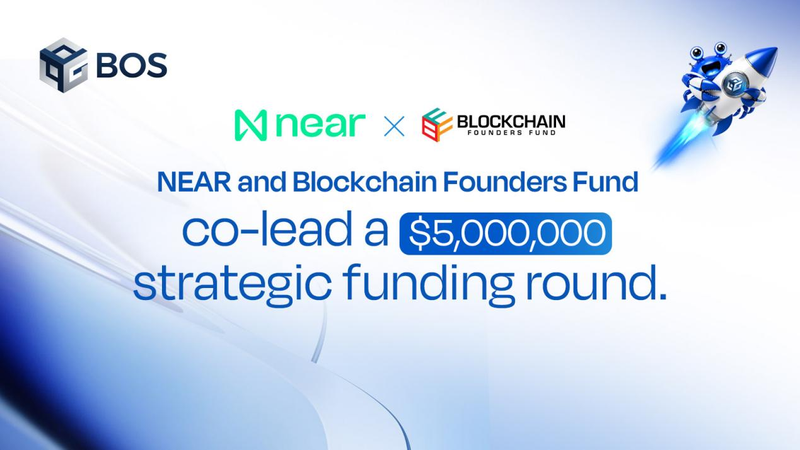
The NEAR Blockchain Operating System (BOS) is the infrastructure layer that unifies liquidity across 35+ chains and enables decentralized frontend deployment. It serves as the connective tissue for the agent economy, keeping execution and inference confidential while allowing applications to interact seamlessly. Understanding this foundational layer is the first step for anyone building a NEAR BOS crypto guide.
Rather than forcing users into fragmented ecosystems, NEAR BOS aggregates liquidity and data into a single, coherent environment. This unification reduces friction for developers and end-users alike, creating a more efficient marketplace for decentralized applications. The system handles the heavy lifting of cross-chain communication, allowing you to focus on building features rather than infrastructure.
Decentralized frontend deployment is another core capability. Instead of relying on centralized servers, developers can deploy their frontends directly to the NEAR blockchain. This ensures that applications remain censorship-resistant and highly available, aligning with the core principles of decentralization. The result is a robust platform where liquidity flows freely and applications are built to last.
Set up your development environment
Before building your first NEAR BOS Crypto application, you need a wallet and a development interface. The BOS runs on the NEAR Protocol, so your first step is installing a compatible wallet. This wallet acts as your identity and signing key for the network.
Install a NEAR-compatible wallet
Choose a wallet that supports the NEAR Protocol. Popular options include the NEAR Wallet (web-based) or mobile wallets like Meteor or MyNearWallet. Download the extension or app from the official source. Create a new account and securely back up your seed phrase. Never share this phrase with anyone.
Access NEAR Studio
NEAR Studio is the official integrated development environment (IDE) for building on NEAR. It provides a pre-configured workspace with the necessary tools and SDKs. Visit studio.near.org and connect your wallet. This gives you immediate access to the BOS components and smart contract templates without manual setup.
Verify your connection
Once connected to NEAR Studio, verify that your wallet is linked correctly. Check that you are on the correct network (testnet for development, mainnet for production). You can send a small test transaction to confirm your balance and signing capabilities. This ensures your environment is ready for deploying BOS apps.

Download and install a NEAR-compatible wallet such as NEAR Wallet, Meteor, or MyNearWallet. Secure your seed phrase immediately after creation. This wallet serves as your primary identity on the BOS.

Visit studio.near.org and connect your wallet. NEAR Studio provides the pre-configured IDE for BOS development, including access to SDKs and component libraries. This eliminates manual environment setup.
Ensure you are on the testnet for development. Send a small test transaction to confirm your wallet can sign and broadcast transactions. This step validates your connection to the NEAR BOS Crypto infrastructure.


As an Amazon Associate, we may earn from qualifying purchases.
Deploy a frontend component on BOS
The BOS lets you build and share decentralized frontends that run across the NEAR ecosystem. Instead of hosting static sites on centralized servers, you deploy components directly on-chain. This approach ensures your application remains available, censorship-resistant, and composable with other protocols.
Follow these steps to create and deploy your first BOS component using the NEAR CLI.
Before writing code, ensure you have Node.js and the NEAR CLI installed. Run npm install -g near-cli to get the necessary tools. You will also need a NEAR account to sign transactions. If you don't have one, create it using near create-account <your-account>.near or use the NEAR Wallet for quick setup.
Use the NEAR CLI to scaffold a new component. Run near bos create <component-name> to generate the basic file structure. This command creates the necessary HTML, CSS, and JavaScript files, along with a near.config.json file that defines how your component should be deployed and accessed. This structure is the foundation of your decentralized app.
Open the generated files in your preferred code editor. You can now build your frontend using standard web technologies. The BOS framework allows you to use React, Vue, or vanilla JavaScript. Test your component locally by running npm start if your template supports it, or simply open the HTML file in your browser to verify functionality before deployment.
When your component is ready, deploy it using near bos deploy <component-name>. This command uploads your code to the NEAR blockchain and registers it as a deployable component. The deployment is secured by NEAR's consensus mechanism, ensuring your frontend is stored permanently and available to anyone on the network.
Once deployed, your component is live. You can share its URL with others or embed it in other BOS-compatible applications. This composability is the core value of the BOS ecosystem, allowing developers to build upon existing components rather than starting from scratch every time.
By following this sequence, you leverage the decentralized nature of the NEAR BOS Crypto guide to build resilient, shareable web infrastructure. For more detailed technical documentation, refer to the official NEAR BOS docs.
Analyze on-chain data and agent activity
To understand how the NEAR BOS Crypto infrastructure performs, you need to look past the marketing and examine the actual on-chain metrics. The "agent economy" isn't just a buzzword; it's a measurable shift in how compute and inference are distributed across the network. Tracking these metrics requires a mix of technical charting for market context and specific data tools for agent behavior.
Start by monitoring the NEAR/USD price action alongside transaction volume. A healthy BOS ecosystem shows correlated growth in both token value and active computational requests. Use a technical chart to identify support levels, but don't rely on price alone. Price can be volatile; on-chain activity is the leading indicator of genuine adoption.
Next, focus on agent-specific metrics. Look for the number of active AI agents deploying models, the frequency of inference calls, and the data throughput across the 35+ chains NEAR unifies. High inference volume with low latency indicates a robust infrastructure, while stagnant agent counts suggest friction in the developer experience.
Compare Data Tools and Metrics
Not all data sources are equal. Some provide real-time agent activity, while others lag or only show basic token transfers. Use the table below to select the right tool for your analysis.
| Tool | Primary Focus | Data Type | Reliability |
|---|---|---|---|
| NEAR Explorer | Transaction Tracking | On-chain events | Official |
| Messari | Ecosystem Health | Aggregated metrics | High |
| Dune Analytics | Custom Queries | Raw SQL data | High |
| TradingView | Price Action | Market data | Standard |
Verify Your Data Sources
In high-stakes financial and technical decisions, verifying your data is non-negotiable. Always cross-reference agent activity counts with official NEAR documentation and primary source reports. Unverified metrics from third-party aggregators can mislead your assessment of the BOS's true capacity and efficiency.
Avoid common deployment mistakes
Building on the NEAR BOS Crypto infrastructure requires precision. A single misstep in gas estimation or contract logic can stall your deployment or expose your protocol to exploits. These pitfalls are common, but they are also predictable if you follow the right checks.
Gas estimation errors
Underestimating gas costs is the most frequent hurdle for new developers. The NEAR BOS Crypto guide emphasizes that transaction fees are dynamic. If you hardcode a gas limit that is too low, your transaction will fail silently or revert, wasting time and potentially blocking subsequent operations.
Always use the NEAR CLI to simulate transactions before deploying. This gives you a realistic view of the gas required. Never rely on default estimates from other chains or older NEAR versions. The network load changes, and your contract’s complexity matters. Check the official NEAR docs for the latest gas pricing models to ensure your budget is accurate.
Security vulnerabilities in smart contracts
Smart contracts on NEAR are immutable once deployed. A bug in your BOS module means a permanent vulnerability. Common mistakes include unchecked external calls and improper access control. Always audit your code before it goes live. Use the NEAR AssemblyScript templates as a baseline, as they include built-in security checks.
Avoid storing sensitive data on-chain unless necessary. Public visibility is a feature, not a bug, but it exposes your logic to attackers. Keep your contract code minimal and focused. Every line of code is a potential attack vector. Test thoroughly in the testnet environment before touching mainnet.
Deployment configuration errors
Misconfiguring your contract ID or account permissions can lock you out of your own deployment. Ensure your account has sufficient balance and the correct permissions to upload and instantiate the contract. Double-check the Wasm binary file path. A corrupted or incorrect binary will fail to deploy.
Use the NEAR CLI to verify your account status. Check for any pending transactions or failed attempts that might block your next move. A clean slate prevents confusion. Keep your deployment logs clear and documented. This helps you troubleshoot issues faster if they arise.
Testing oversight
Skipping comprehensive testing is a fatal mistake. The NEAR BOS Crypto ecosystem is fast-paced, but rushing leads to broken products. Write unit tests for every function in your contract. Use the NEAR Sandbox to simulate mainnet conditions. Test edge cases, such as zero balances or invalid inputs.
Automate your testing pipeline if possible. Manual testing is prone to human error. Ensure your tests cover both happy paths and failure scenarios. If a test fails, fix it immediately. Do not deploy until all tests pass. This discipline saves you from costly post-deployment fixes.
Check your deployment before launch
Before you consider your NEAR BOS Crypto component live, run through this final verification workflow. A quick check now prevents broken UIs or failed transactions later.
Open the NEAR Explorer or your local dev server and navigate to the component path. Ensure the UI renders without console errors. If the page is blank, check your near.config for correct network parameters.
Trigger any state-changing functions (e.g., deposit, transfer). Confirm the transaction appears in the explorer and the UI updates to reflect the new state. Check that gas fees are within your expected range.
Verify that on-chain data is correctly indexed by the BOS indexer. Cross-reference a few data points in your component with the raw blockchain state to ensure no lag or corruption.
No comments yet. Be the first to share your thoughts!