What the NEAR BOS actually is
NEAR BOS is not just another blockchain. While the underlying NEAR Protocol handles consensus and data availability, the Blockchain Operating System (BOS) is the frontend layer that makes the network composable. It functions as a unified interface where developers can assemble decentralized applications (dApps) from existing components rather than building from scratch.
Think of BOS as a frontend infrastructure layer. It allows different applications to talk to each other and share data seamlessly. Instead of users navigating fragmented silos across multiple chains, BOS creates a cohesive environment. This composable approach reduces the friction of discovering and interacting with Open Web experiences, removing the need for complex bridging or disjointed user interfaces.
This architecture shifts the focus from mere transaction execution to user experience and interoperability. By treating the frontend as an integral part of the blockchain stack, NEAR enables developers to create applications that feel like native web experiences. This distinction is critical for understanding NEAR’s market position: it is building an operating system for the decentralized web, not just a ledger for tokens.
Market dynamics and NEAR price action
The relationship between NEAR Protocol’s infrastructure and its token value is shifting from speculative narrative to utility-driven demand. As the NEAR Blockchain Operating System (BOS) matures, it is positioning itself not just as a Layer 1 blockchain, but as a unified commerce layer that empowers autonomous agents to transact with asset liquidity. This structural shift provides a tangible use case for the NEAR token, moving beyond simple staking yields toward transactional necessity.
Current market context reflects this transition. While broader crypto markets remain volatile, NEAR’s price action is increasingly correlated with developer activity and BOS adoption metrics rather than pure beta exposure to Bitcoin. The BOS simplifies decentralized development, allowing frontend components to be shared across applications. This lowers the barrier to entry for Web3 user adoption, creating a feedback loop where more developers build on BOS, driving more transactions, which in turn supports the network’s economic security.
For investors and builders, the key is to monitor on-chain volume and BOS component usage as leading indicators of value accrual. The token’s utility is becoming embedded in the infrastructure itself, making it a critical resource for executing commerce and agent interactions. This utility-based demand model offers a more resilient foundation for long-term value compared to purely speculative holdings.
The Infrastructure Pillars for Builders
NEAR BOS functions as a frontend infrastructure layer, treating blockchain applications like web pages. This approach simplifies deployment by allowing developers to build, deploy, and host dApps directly on-chain. Instead of managing separate servers for frontends and backends, builders can leverage the BOS ecosystem to create seamless user experiences.
The ecosystem relies on three core technical components: Gateways, Components, and Blockchains. These elements work together to provide a unified environment for development.
Gateways
Gateways serve as the entry points for user interactions. They handle the translation between the user's browser and the on-chain state. This abstraction layer ensures that complex blockchain operations feel as smooth as standard web requests. Developers can use these gateways to manage session states and optimize transaction flows without exposing underlying cryptographic complexity.
Components
Components are reusable, on-chain frontend modules. Think of them as web components but stored and executed directly on the NEAR blockchain. Builders can compose these components to create complex interfaces, such as wallet connect buttons, token displays, or governance dashboards. This modularity reduces code duplication and ensures that UI elements remain consistent across different applications within the BOS ecosystem.
Blockchains
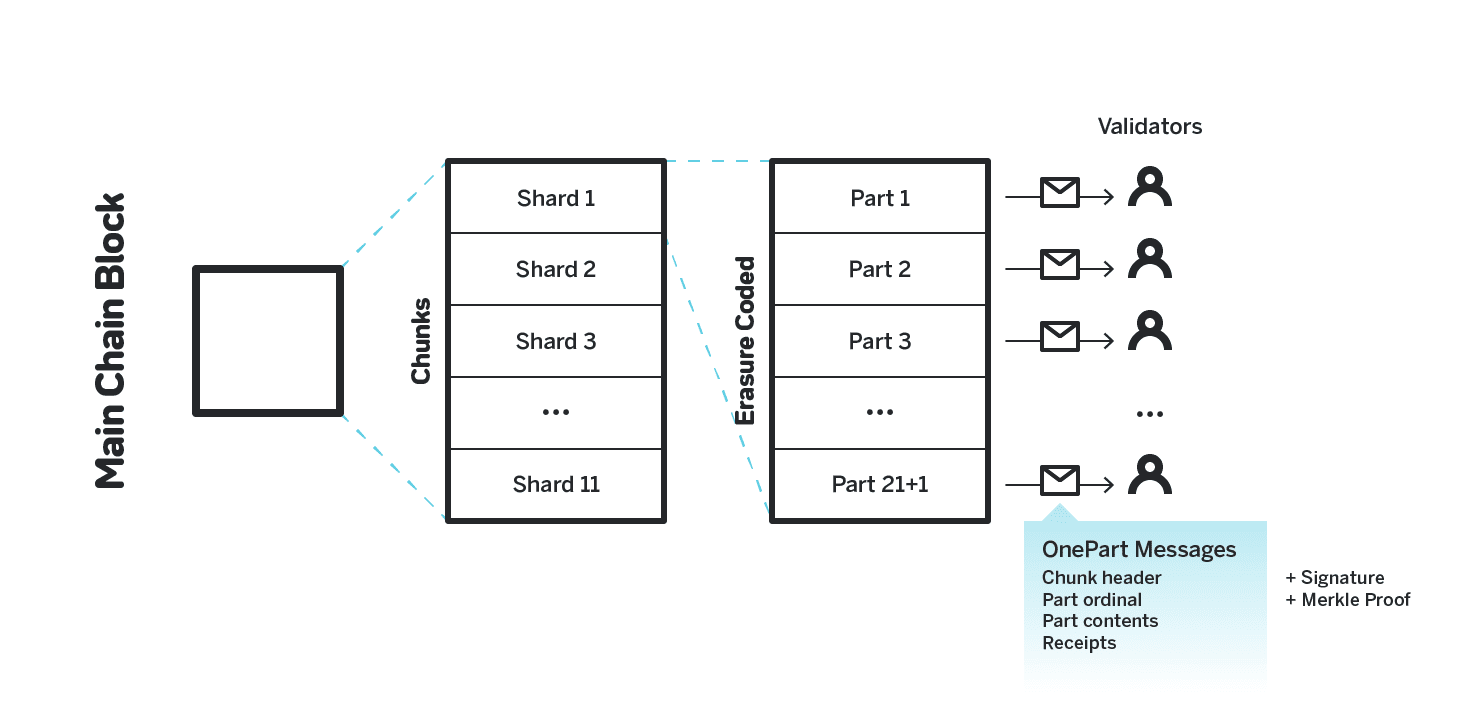
The underlying blockchain provides the security and execution environment. NEAR Protocol’s sharded architecture allows for high throughput and low transaction costs, which is critical for frontend-heavy applications. The BOS leverages this infrastructure to store frontend code and state on-chain, ensuring that the application’s logic is transparent and immutable. This on-chain storage model eliminates the need for traditional web hosting services, reducing reliance on centralized infrastructure.
BOS vs. Traditional Frontend Frameworks
| Feature | NEAR BOS | Traditional Web Frameworks |
|---|---|---|
| Hosting | On-chain (decentralized) | Centralized servers |
| State Management | On-chain state | Client-side or database |
| Composability | Reusable on-chain components | Libraries/Modules |
| Trust Model | Trustless (code is law) | Trust in provider |
This comparison highlights the shift from centralized web hosting to a decentralized, on-chain model. By moving the frontend layer to the blockchain, NEAR BOS offers builders a more resilient and transparent architecture.
Strategic outlook for 2026
The narrative around NEAR Protocol is shifting from raw throughput to ecosystem cohesion. By 2026, the primary value driver is no longer just the underlying Layer-1 speed, but the NEAR BOS as a unified frontend infrastructure layer. Messari’s analysis highlights that this "Blockchain Operating System" simplifies decentralized development, turning isolated chains into a navigable web3 experience.
For builders, the strategic advantage lies in abstraction. NEAR BOS allows developers to treat multiple chains as a single environment, reducing the friction of cross-chain interactions. This infrastructure layer is critical for mass adoption because it hides the complexity of wallet management and transaction routing from the end user.
Investors should watch for adoption metrics that reflect this composability. The real test for NEAR in 2026 is whether the BOS can sustain developer activity across its diverse dApp landscape, particularly in gaming and consumer applications where user experience dictates retention.
Common questions about NEAR BOS
NEAR Protocol is a Layer-1 blockchain designed to solve the scalability and cost issues that plague many existing networks. It achieves this through a unique consensus mechanism called Nightshade, which splits the workload across multiple shards to process transactions in parallel. This architecture allows the network to handle high throughput without sacrificing decentralization, making it a viable foundation for the NEAR BOS frontend infrastructure layer.
The platform also supports the Ethereum Virtual Machine (EVM) via its Aurora sidechain. This compatibility allows developers to migrate existing Ethereum smart contracts and dApps to NEAR, benefiting from lower transaction fees and faster finality while retaining access to the broader Ethereum ecosystem. This hybrid approach broadens the utility of the NEAR BOS, enabling seamless integration for both native and EVM-based applications.
No comments yet. Be the first to share your thoughts!